

During a period of logistics strain, Al Dahra redirected 5,500 containers and boosted grain stocks to ensure supply continuity.
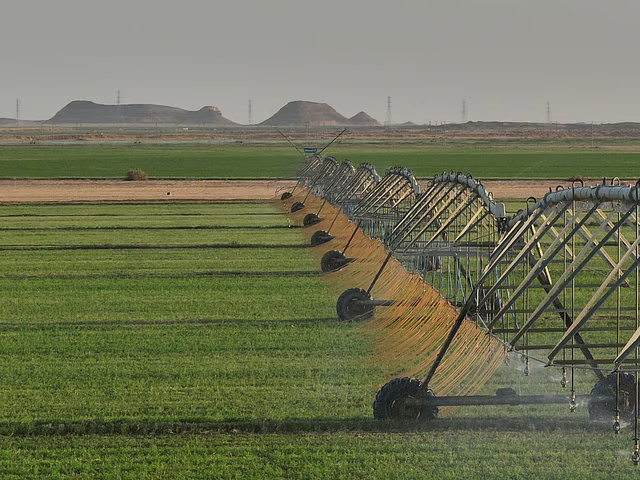
Dubai: As regional conflict disrupted global shipping routes, Al Dahra rerouted more than 5,500 containers, secured alternative food supplies, and increased grain stocks to keep essential commodities flowing into the UAE.
The UAE-grown agribusiness, founded 30 years ago in Al Ain by Sheikh Hamdan bin Zayed Al Nahyan, coordinated nearly 300 shipments across 27 ports on four continents during a six-week period of disruption, helping maintain the flow of essential food supplies.
The company also secured more than 70,000 tonnes of food from alternative sourcing origins and increased its grain stock levels by 185%. Supplies included rice, grains, forage and dairy products, while feed support for dairy customers, livestock farmers and grain producers continued without interruption.
According to Arnoud van den Berg, Group CEO of Al Dahra, the earliest signs of disruption emerged through extended shipping transit times and rising freight costs. Speaking in an exclusive interview, he said the company moved quickly to adapt its supply chain and safeguard food availability.
“The earliest indicators we tracked were extended transit times on key routes and a sharp rise in container freight rates, which prompted us to accelerate already-established contingency protocols rather than design new ones from scratch. What changed was the cadence and intensity, not the framework,” said Arnoud van den Berg.
Supply chains came under pressure
Food supply chains have faced increasing strain in recent months as regional instability disrupted shipping routes, drove up freight costs and affected delivery schedules.
Van den Berg said Al Dahra’s response relied on close coordination across its global operations, with sourcing, planning, sales and logistics teams working together daily across multiple regions and time zones. This enabled the company to react quickly to changing conditions, secure alternative supply sources and maintain the uninterrupted flow of essential food commodities into the UAE.
“As global shipping patterns began to shift, our Sourcing & Planning, Sales and Logistics teams were already coordinating closely across regions and time zones, monitoring trade corridors and supplier flows in real time,” said Arnoud van den Berg, Group CEO of Al Dahra.
He noted that the challenge was not a single delayed shipment but maintaining alignment across a vast supply network as routes changed and transit times lengthened.
“The challenge is rarely any single shipment. It is the choreography that keeps thousands of moving parts arriving in the right sequence to support consistent delivery to every market we serve,” he said.
Rerouting became critical
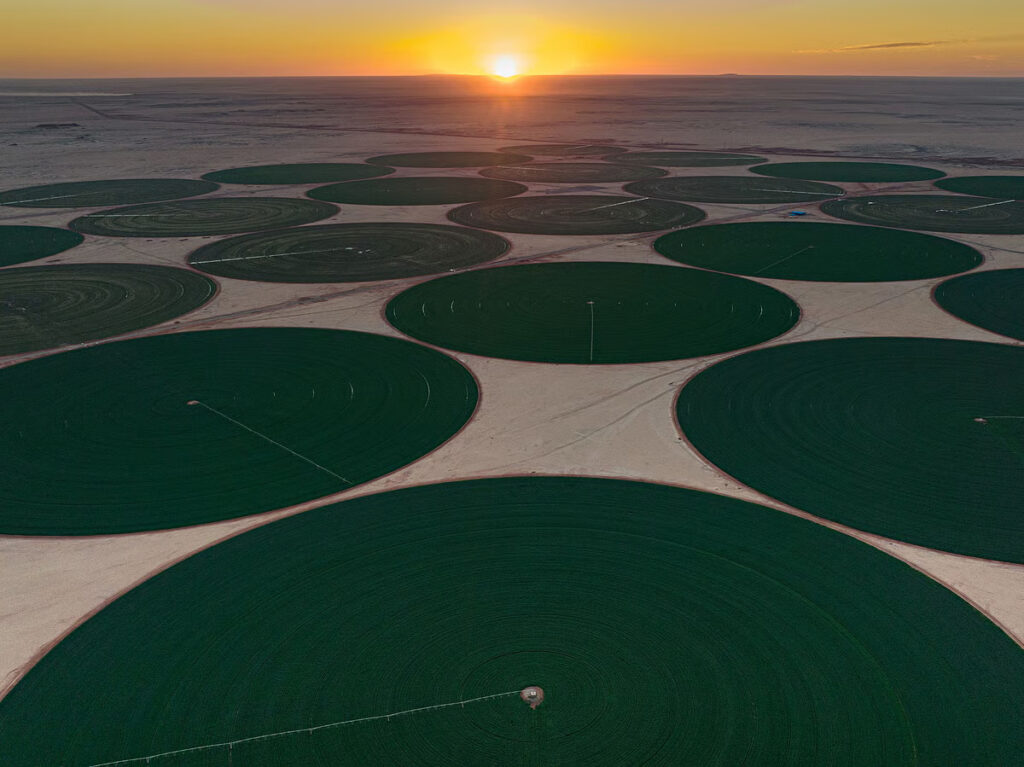
To maintain supply continuity, Al Dahra leveraged its diversified network of suppliers and shipping routes spanning North America, South America, Europe and Africa. The company adjusted delivery plans, redirected shipments and secured alternative sourcing channels to minimise disruption and ensure the steady flow of essential food commodities into the UAE.
Van den Berg said the company’s response was shaped by lessons learned from previous supply-chain disruptions, including the Covid-19 pandemic and the Red Sea shipping crisis.
“Speed at that scale is the outcome of years of preparation and lessons learned from other disruptions, such as Covid-19 and the Red Sea crisis. Diversification must be designed long before it is needed; if it is assembled in response to events, it is already too late,” he said.
He added that Al Dahra maintained its quality standards across all sourcing origins, even as procurement shifted to new suppliers and regions. According to Van den Berg, the company’s established quality assurance processes enabled it to expand sourcing options without compromising product standards or supply reliability.
Farmers needed a steady feed supply
The disruption also put pressure on local supply chains, particularly for farmers who rely on a consistent supply of feed and forage.
Al Dahra said it continued supporting more than 18,000 local farmers throughout the disruption, despite longer transit times and challenges across global logistics networks.
“Supporting local farmers is a structural role we play within the UAE’s agricultural ecosystem, working within the country’s government, broader agricultural framework and coordination mechanisms to ensure farmers continue to receive reliable support. The objective is consistency, ensuring that inputs such as feed and forage remain available regardless of external conditions,” said Arnoud van den Berg, Group CEO of Al Dahra.
He added that recent disruptions have demonstrated that food security depends on far more than maintaining stockpiles alone.
“Food security is not simply about holding inventory. It depends on the resilience of supply chains, the diversity of sourcing networks, and the ability to adapt quickly when global conditions change,” he said.
“What recent months have reinforced is that supply stability is increasingly about integration: sourcing, storage, logistics, finance and digital visibility working as one connected system, rather than any single lever,” Van den Berg said.
Technology becomes part of food security
As food producers seek to increase output without placing additional pressure on land, water and other resources, Al Dahra is investing in artificial intelligence, digital farm management and precision agriculture technologies.
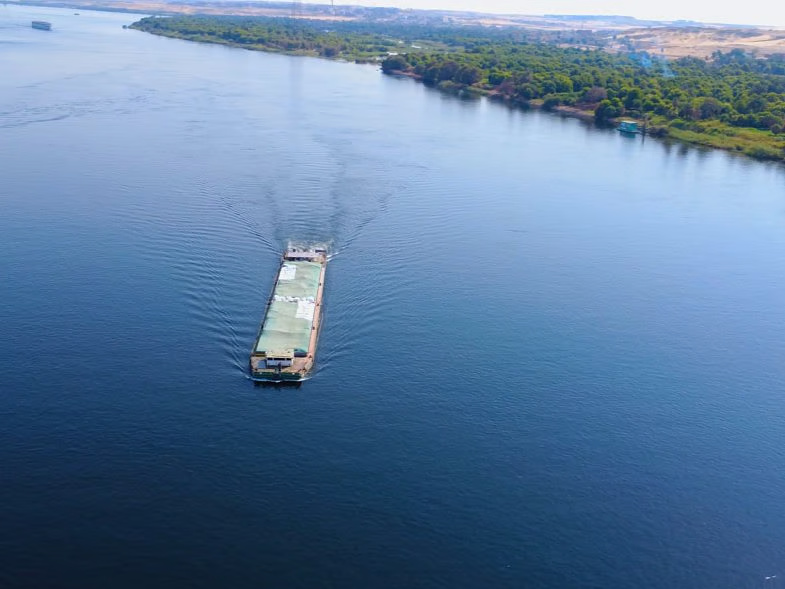
The company sees technology as an increasingly important component of food security, helping improve productivity, optimise resource use and enhance visibility across complex supply chains.
Van den Berg said digital tools are enabling faster decision-making and greater resilience, allowing agricultural businesses to respond more effectively to disruptions while maintaining operational efficiency. From farm-level monitoring to supply-chain planning, technology is playing a growing role in ensuring food systems remain reliable in an increasingly uncertain global environment.
Van den Berg noted that AI has the potential to enhance planting decisions and improve agricultural yields.
“The impact at farm level is significant. AI models that help optimise planting windows, for example, can shift yields by as much as 10 percent. That represents a 10% increase in food output with no additional footprint, land, water or inputs,” Van den Berg said.
He added that Al Dahra is deploying precision irrigation systems, satellite and sensor data, AI-driven decision tools and integrated farm management platforms to improve visibility and decision-making across its operations.
Long-term planning is the lesson
Van den Berg said the key lesson from recent disruptions is that resilience cannot be built in the middle of a crisis.
“The clearest lesson is that resilience cannot be added after disruption begins. It must be designed in advance, capitalised in advance, and governed as part of how a business is run,” he said.
He said partnerships, technology and long-term capital are becoming central to food supply stability.
“First, partnerships matter. Geographies with strong diplomatic ties and robust supply chains will form the foundation of dependable, long-term operations.
Second, technology and regenerative practices are no longer separate from commercial performance; they are becoming central to it, improving yields, lowering inputs and shaping long-term competitiveness.
And third, this remains a long-term industry. Building scale, productivity and resilient operations takes time, significant capital access and sustained patience, but the returns – both financial and structural – are substantial.”
Al Dahra has grown from a single farm in Al Ain into a global operator across more than 40 markets, with its next ambition being the creation of the world’s largest irrigated farming platform by 2030, according to Van den Berg.

