

Early childhood education sector looks beyond traditional classroom teaching to explore new learning approaches.
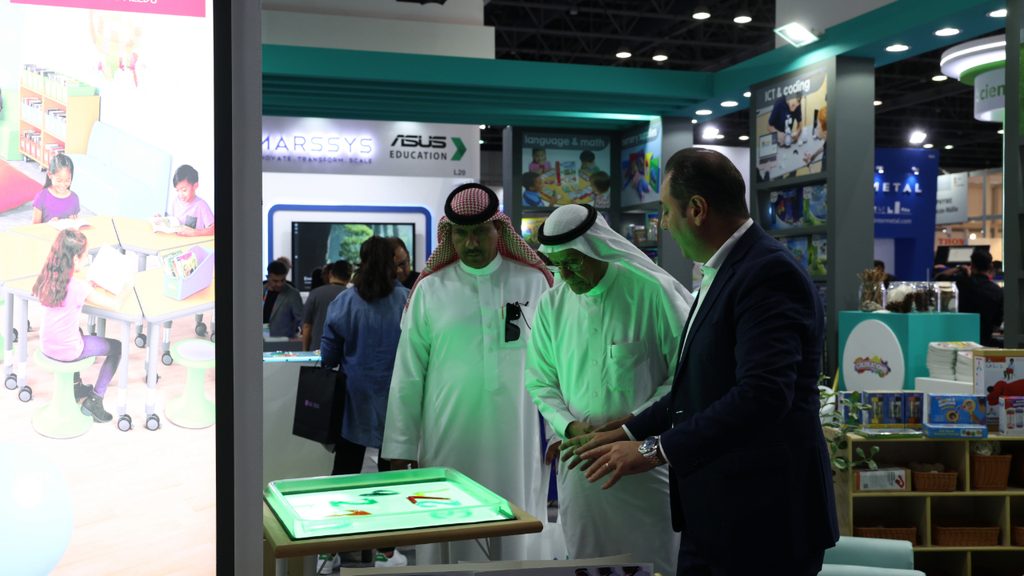
Play, neuroscience and a sense of belonging in early childhood education were among the key themes explored at GESS Dubai 2026, held from November 10 to 12. The event brought together educators, industry professionals and education service providers.
Dubai’s early childhood education sector is increasingly looking beyond traditional classroom instruction, with greater attention being paid to the cognitive, emotional and social factors that shape how young children learn and develop. Educators are placing growing emphasis on play-based learning, cognitive development and emotionally supportive environments.
Aalia Thobani, founder of Dubai-based cognitive training centre The Brain Accelerator, took part in two sessions at the conference’s Early Years Pavilion, examining the role of neuroscience and belonging in early childhood education.
Her presentation, titled “The Science of Play – What Neuroscience Tells Us About Exploration”, explored how the developing brain responds to movement, sensory experiences, curiosity, problem-solving and hands-on activities. It highlighted how thoughtfully designed play can support cognitive and emotional development while fostering creativity and independent thinking.
Thobani also joined a panel discussion titled “Belonging in Practice – Real Stories of Belongingness From Educator’s Perspective”. The discussion explored how everyday interactions, classroom routines and partnerships with families can help children feel safe, valued and connected.
Drawing on an example inspired by the Reggio Emilia approach, Thobani described a classroom activity in which children were encouraged to build a bridge to help a toy dog cross an imaginary river. The exercise demonstrated how play-based exploration can create opportunities for problem-solving, emotional regulation and collaboration.
She also outlined a four-step approach — Connect, Calm, Scaffold and Celebrate — to help educators guide children through moments of frustration, encouraging them to rethink their strategies and persevere.
“A child feels safe enough to try again, and another child makes room for their idea,” Thobani said, highlighting the link between playful learning and a sense of belonging in early childhood settings.
The Brain Accelerator offers personalised cognitive assessments and training programmes designed to strengthen underlying learning skills, including attention, memory, processing speed and reasoning.