

Tenants in Dubai who signed leases during periods of stronger rental growth now have a clearer basis to negotiate lower renewal rents using the Smart Rental Index.
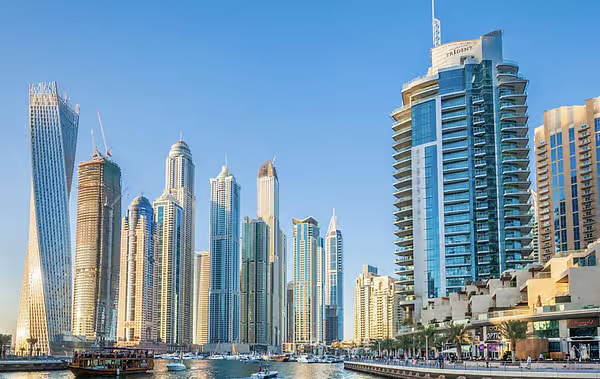
Dubai’s Smart Rental Index is enabling tenants to negotiate lower rents as the property market softens, according to real estate industry executives.
The index has also supported tenants in cases where landlords raised rents above market averages and beyond the levels indicated by the index.
Launched by the Dubai Land Department in January 2025, the Smart Rental Index uses an advanced building classification system that evaluates factors such as a building’s structural and technical condition, quality of finishes and maintenance, strategic location and spatial value, as well as the availability and standard of services and facilities, including maintenance, cleanliness, and parking management.
“The Index has provided tenants with significantly greater transparency on how rents are determined. Renters can now access the same benchmark data used by landlords, allowing them to quickly assess whether proposed increases align with current regulations and prevailing market conditions. Tenants who entered leases during stronger rental growth phases now have a clearer foundation for negotiating renewal terms with landlords. Instead of relying on informal market perceptions, both parties can refer to an official benchmark,” said Rohit Bachani, Co-Founder of Merlin Real Estate.
He added that rent increases have moderated in some communities, while others have recorded declines in recent months due to new supply entering the market.
Bachani also noted that the Index has become a recognised reference point in rental negotiations and disputes.
“Discussions around renewals are now generally more straightforward and less contentious than before. Over time, this improved transparency could strengthen tenant confidence and enhance residential stability across the market,” he said.
Alois Kugendran, CEO of Amaya & Co, said rents have begun to fall in certain areas for the first time since the introduction of the Smart Rental Index, following previous peaks, reflecting a natural correction at the higher end of the market.
He added that landlords now have a stronger incentive to maintain and improve property quality, as building condition and classification directly influence rental pricing. Previously, landlords could benefit from rising area averages regardless of property condition, but that is no longer the case. In the long term, he said, this should improve overall rental property standards in Dubai.
New supply
Bachani added that apartment rents have eased slightly from their first-quarter highs, while villa rents remain higher year-on-year, as the market adjusts after several years of strong growth.
He said the moderation in rents is being driven mainly by new supply entering the market and a natural cooling in demand growth. However, the Index has reshaped how rental adjustments are evaluated and discussed, with renewal negotiations increasingly anchored to a shared benchmark from the Dubai Land Department.
“This has improved transparency and given both landlords and tenants greater clarity on pricing expectations,” he noted.
He added that the Index is helping create a more structured and mature rental market, where decisions are increasingly data-driven rather than based on subjective views.
Humaira Vaqqas, property consultant at Range International Property Investments, said increased inventory across several Dubai communities has also supported this trend, intensifying competition among landlords and providing tenants with more options.
“As a result, tenants are in a stronger position to negotiate rental renewals and new lease agreements. The Smart Rental Index offers a transparent benchmark that helps tenants determine whether proposed increases are justified,” she said.

