

Preventive healthcare, early disease detection and skilled doctors seen as key to longer, healthier lives.
Dubai has the potential to establish itself as a global hub for healthy ageing, but achieving this ambition will require greater emphasis on preventive healthcare, early disease detection, skilled medical professionals and stronger healthcare standards, according to a leading medical expert.
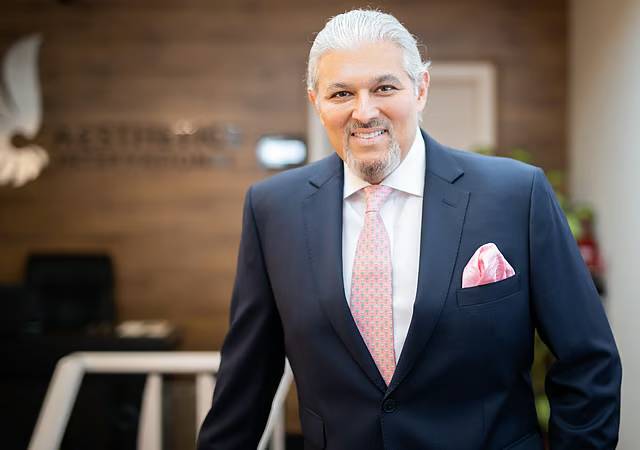
Dr Jaffer Khan, Founder and CEO of AEON Clinic and Aesthetics International, said Dubai’s expanding healthcare infrastructure, government initiatives and growing focus on healthier lifestyles could help residents live longer, healthier and more independent lives.
Speaking to Gulf News in an exclusive interview ahead of the Next-Gen Medicine & Longevity Congress 2026, scheduled to take place from November 7 to 10 at Atlantis The Royal, Dubai, Dr Khan said the priority should be to make preventive healthcare more accessible rather than concentrating solely on advanced medical treatments.
“A title like that has to be felt in everyday life,” he said, referring to Dubai’s potential to become a global longevity capital.
He explained that healthy ageing is about helping people maintain their well-being, stay active and preserve their independence as they grow older.
“That starts with prevention, identifying health risks early, making good medical care accessible, and helping people make sustainable changes to sleep, nutrition, exercise, and stress,” he said.
Healthier living
Dr Khan said Dubai has already introduced several initiatives to encourage residents to adopt healthier lifestyles, including public parks, green spaces, beaches and facilities for physical activity. He also pointed to emerging residential developments designed to support healthier living through better construction materials, water systems and air filtration.
He believes the announced Dubai Longevity Authority could play an important role in raising public awareness, developing regulatory standards and encouraging clinics to provide effective healthcare services.
The next step, he said, is to ensure these initiatives translate into measurable improvements in people’s everyday health.
What residents can expect
Dr Khan believes residents could see significant changes in preventive healthcare over the next three to five years as longevity medicine advances.
These developments could include more comprehensive health assessments, earlier detection of potential diseases and personalised programmes focusing on nutrition, physical fitness, sleep and metabolic health.
“If this develops well, residents should notice that care is becoming more proactive and better connected,” he said.
Instead of waiting for symptoms to emerge, doctors could increasingly help patients identify health risks early and take preventive action. However, he stressed that longevity medicine should not be seen as a quick solution to ageing.
“Longevity is not a single treatment or a quick fix,” he said.
The approach involves assessing an individual’s overall health, lifestyle, medical history and long-term goals before developing a personalised care plan.
Need for specialised doctors
Despite growing interest in longevity medicine, Dr Khan said the lack of standardised training and professional qualifications remains a challenge.
“At the moment, training in functional, regenerative medicine, as well as healthy longevity medicine, is both limited and lacks standardisation,” he said.
He called for greater emphasis on continuing medical education, internationally recognised qualifications and stronger accreditation standards for clinics offering longevity services.
Organisations such as Joint Commission International and Accreditation Canada International provide established frameworks for assessing clinical quality and patient safety, he noted.
Dr Khan said medical institutions and regulators would need to work together to establish consistent standards as new treatments and technologies emerge.
Diverse population
Dubai’s international population presents an opportunity to develop personalised healthcare services for people from different nationalities and backgrounds, Dr Khan said.
However, this diversity also means doctors cannot adopt a one-size-fits-all approach.
“Diversity in Dubai’s population means that a longevity clinic cannot rely on a single template for every patient,” he said.
Residents have different family medical histories, dietary habits, lifestyles, cultural expectations and health risks, all of which need to be considered when developing treatment plans.
He said continuity of care is particularly important in Dubai, where many residents travel frequently or receive medical services in different countries.
Clinics should therefore ensure patients can track their health over time and receive coordinated medical advice.
Lessons from three years in Dubai
Dr Khan opened his clinic in Dubai in February 2023, bringing nearly three decades of experience in aesthetic medicine. He said the move reflected changing patient expectations, with more people becoming interested in their internal health rather than focusing solely on their appearance.
“We had been engaged for the last 28 years on externally beautifying people, so to speak,” he said.
Previously, patients often visited separate clinics for aesthetic treatments and preventive healthcare, with little coordination between the two.
He said bringing these services together in a medically supervised setting could offer patients a more comprehensive approach to healthcare.
Advice for residents
As interest in longevity clinics grows, Dr Khan urged residents to carefully assess healthcare providers before opting for tests or treatments.
He advised patients to ensure that clinics are properly licensed and that their care is overseen by qualified medical professionals.
Residents should also ask about the scientific evidence behind recommended treatments, the potential risks and whether proven alternatives are available.
They should seek clear details about treatment costs, the privacy of their medical data, follow-up care and how improvements in their health will be monitored.
Global Congress in Dubai
The Next-Gen Medicine & Longevity Congress 2026, chaired by Dr Khan, will bring together doctors, researchers and healthcare specialists from around the world at Atlantis The Royal from November 7 to 10.
The congress will explore preventive healthcare, personalised medicine, regenerative treatments and emerging approaches to healthy ageing.
“The aim is not to promote every new treatment, but to help build a more knowledgeable and responsible conversation about the future of health,” Dr Khan said.
He believes Dubai’s emergence as a global longevity hub will ultimately be measured by its ability to help ordinary residents remain healthier and more active, while enjoying a better quality of life as they grow older.

