

The accolade highlights Dubai Municipality’s ongoing commitment to improving public health standards, enhancing the urban environment, and preserving the city’s aesthetic appeal.
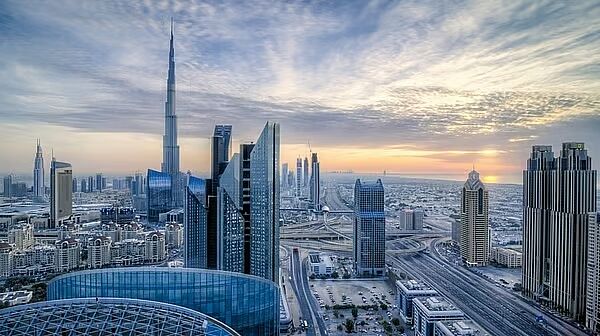
Dubai retains title of world’s cleanest city for sixth consecutive year
Dubai has held onto its position as the world’s cleanest city for the sixth year in a row, according to the Global Power City Index (GPCI) released by the Mori Memorial Foundation’s Institute for Urban Strategies in Japan.
The city achieved a 100% satisfaction score in the city cleanliness indicator under the Environment pillar of the GPCI, outperforming other major global cities evaluated across key measures of urban performance.
The achievement underscores Dubai’s long-term vision of creating a clean, healthy, and sustainable urban environment, with a focus on people and community well-being at the heart of city planning, development, and management.
It also highlights the emirate’s ability to uphold high standards of urban living while reinforcing its global competitiveness as one of the world’s most desirable cities to live, work, and visit.
Dubai recognized as world’s cleanest city, driven by innovative urban management and sustainability initiatives
The Dubai has been ranked the world’s cleanest city for the sixth consecutive year, according to the Global Power City Index (GPCI) issued by the Mori Memorial Foundation’s Institute for Urban Strategies. The GPCI evaluates urban competitiveness across six core functions—quality of life, environment, economy, research and development, cultural interaction, and accessibility—based on more than 70 international indicators.
This recognition reflects Dubai Municipality’s sustained efforts to improve public health standards, enhance the urban environment, and maintain the city’s aesthetic appeal through integrated cleanliness operations, sustainable urban planning, and the continuous development of public facilities, parks, beaches, and community spaces.
Circular economy goals
These initiatives are aligned with the Dubai Integrated Waste Management Strategy 2041, which aims to reduce waste at source, divert 100% of waste from landfills, and accelerate the transition to a circular economy.
Integrated operational system
Dubai Municipality maintains a 24/7 cleanliness drive supported by a fleet of 785 modern vehicles, specialized machinery, and over 23,300 waste storage and collection units distributed across residential and public areas. Operations are managed by 2,876 sanitation engineers and 280 supervisory staff within an integrated framework covering 2,400 km of main roads and highways, 1,419 km of investment zones, 33.4 km of water canals, as well as markets, beaches, residential communities, industrial zones, and desert areas.
Pioneering initiatives
The municipality also leads innovative waste management initiatives, including the Circle Dubai initiative, which promotes waste reduction, recycling, and circular economy practices through community participation. The authority operates the Warsan Waste-to-Energy Centre, the largest facility of its kind globally, alongside smart community recycling centres and advanced digital platforms for real-time monitoring and decision-making via the Clean City Index system.
Collaborations with private sector partners further enhance residential waste collection, transport, and recycling services, supported by community engagement programmes such as ‘One Hour with a Sanitation Engineer’.

