

A Cashless Dubai Is on the Way.
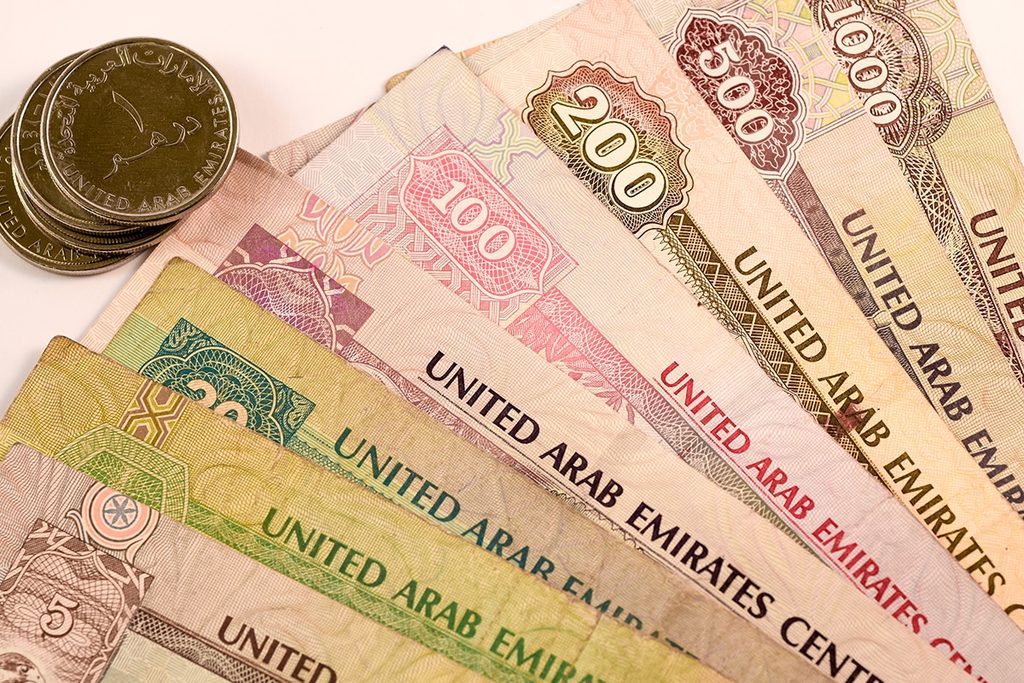
Dubai has ambitious plans to become a cashless city this year.
Under the Dubai Cashless Strategy, payments across both the government and private sectors will eventually go fully digital.
First announced in October 2024, the initiative aims to phase out physical notes and coins in favour of digital payments across the emirate.
By the end of this year, cashless transactions are expected to make up around 90 per cent of all payments, potentially adding more than Dhs8 billion to Dubai’s economy each year.
Going cashless doesn’t mean money is disappearing. Instead, it means moving away from physical cash, with banking apps, digital wallets and credit cards becoming the primary ways to pay.
The strategy will also focus on driving innovation in digital payments, from AI-powered solutions to contactless technologies, giving residents and businesses even more convenient ways to pay.
Dubai Finance has also launched a wide-ranging awareness and promotional campaign to support the rollout of the Cashless Strategy, with the goal of making up to 90 per cent of government and private-sector transactions cashless by the end of 2026.
How Dubai Plans to Go Cashless
One of the biggest changes in Dubai’s shift towards a cashless future will be the upgrade of the city’s nol card system, set to take place at the start of 2027.
The system is set to move away from its existing card-based ticketing model and switch to digital payments powered by account-based ticketing from the start of next year.
Residents are already seeing other changes. Since June 2026, Parkin has been gradually phasing out cash payments at parking metres across Dubai.
The cashless push will also extend to tourists visiting the emirate.
Earlier this year, the Central Bank of the UAE launched an initiative designed to let tourists open digital bank accounts as soon as they arrive in the country.
The Tourist Identity initiative aims to reduce visitors’ reliance on cash by allowing tourists to open a bank account within minutes of landing in the UAE. It will also give them immediate access to essential banking services, including digital debit cards that can be used straight away.
The initiative will also give tourists access to the UAE’s Jaywan domestic card programme, while enabling payments and money transfers through the Aani system.
Emirates and flydubai have also previously signed an agreement aimed at encouraging digital payments among international tourists, who have traditionally relied more heavily on cash.
The two airlines are introducing initiatives designed to make digital payments more accessible and convenient for visitors travelling to Dubai.
During summer 2026, Emirates and Dubai Duty Free also began accepting cryptocurrency payments, giving travellers another way to pay for flights and purchases.
Dubai ultimately aims for 100 per cent of transactions to be paperless. That means paying with cash at the souq or digging behind the sofa for a forgotten handful of coins could soon become a thing of the past.
Dubai’s Cashless Strategy
The Dubai Cashless Strategy was first announced on Tuesday, October 1, 2024, following a meeting of the Dubai Executive Council.
Sheikh Hamdan bin Mohammed bin Rashid Al Maktoum, Crown Prince of Dubai, chaired the meeting and outlined the emirate’s ambition to become one of the world’s top five cashless cities.
Dubai has also outlined plans to make a wider range of financial technology services available to residents and businesses across the city.
The move towards a cashless economy has been designed with consumers, payment providers and merchants in mind, with the shift expected to make payments faster, more convenient and more seamless across the emirate.
The meeting also covered several other key areas of Dubai’s development, including long-term real estate strategies, education plans and the future of transport across the city.

