

Gold gains Dh11 in a day on ceasefire optimism and softer dollar.
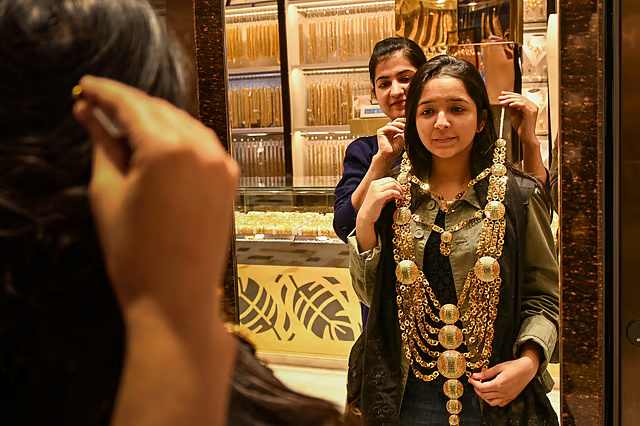
Dubai: Gold prices in Dubai opened higher on Wednesday, following a rebound in global bullion markets amid a temporary easing of geopolitical tensions.
At 8:41 am, 24K gold climbed to Dh577.50 per gram, up from Dh566.25 on Tuesday, while 22K gold rose to Dh534.75 from Dh524.25. The surge represents one of the steepest single-day gains in recent weeks, partially reversing the earlier decline that had dampened retail sentiment.
Monthly movement shows early dip followed by rebound
April opened with 24K gold at Dh573 per gram on April 1, before sliding toward Dh563 in the following sessions. Prices held roughly steady from April 3 to April 5, then dipped further to Dh561 on April 6. The rebound started on April 7 and accelerated into Wednesday, returning prices close to early-month levels.
This pattern highlights a market responding to rapidly changing global cues, with sentiment swinging between risk aversion and cautious optimism.
Ceasefire optimism fuels global gold surge
The recent rise in Dubai gold rates reflects a strong global rally, with prices climbing over 3% to above $4,850 an ounce.
The surge followed an agreement between US President Donald Trump and Iran to pause hostilities for two weeks while broader negotiations continue. The potential reopening of the Strait of Hormuz eased immediate supply concerns, contributing to a drop in oil prices and a softer US dollar.
A weaker dollar typically boosts gold demand by making it cheaper for international buyers, while falling oil prices reduce near-term inflation pressures, even as underlying risks persist.
Equities rally alongside gold
Stock markets also advanced sharply, reflecting a broader shift in investor sentiment. Gold, which had previously moved in tandem with risk assets during the conflict, benefited from both improved market confidence and currency movements.
Inflation risks and rate outlook remain key
Despite the rebound, the overall economic backdrop remains complex. The conflict has pushed energy prices higher in recent weeks, fueling concerns over persistent inflation, which in turn affects expectations for US interest rates.
Recent statements from Federal Reserve officials indicate that borrowing costs may stay steady for longer, which typically limits gold’s upside since it does not yield interest. However, expectations of slower economic growth provide some support.
Even after the recent recovery, gold remains nearly 10% below levels seen at the start of the conflict, highlighting ongoing market caution.
Silver gains attention alongside gold
Amid the rapid shifts in the global economy, silver is reasserting itself as more than a traditional precious metal—emerging as a hybrid investment that blends hedging appeal with industrial growth potential, particularly around the $75 level.
Rania Gule, Senior Market Analyst at XS.com – MENA, noted that silver is gaining traction alongside gold in the current market environment.
“Silver is a key component in solar panels and electronics, and with the ongoing global expansion of renewable energy projects, demand is expected to grow sustainably,” she said, highlighting the metal’s dual role as both a financial hedge and an industrial resource.
Monetary policy and currency swings remain key
Rania Gule emphasized that interest rates continue to be a major factor for silver. “The continuation of elevated rates or delays in cuts will keep pressure on silver,” she said, adding that any move toward policy easing could provide upside for prices.
Currency movements also play a pivotal role. “A weaker dollar could create a strong upward opportunity for silver,” she noted.
Implications for UAE buyers
The recent surge has narrowed the buying window that appeared earlier in April. Price volatility is expected to remain high, influenced by geopolitical tensions, currency shifts, and interest rate expectations.
Shoppers may see limited dips, but the broader trend points to continued volatility rather than a steady decline.

