

Gold costs Dh25 less per gram than last Diwali, but buyers are opting for lighter designs.
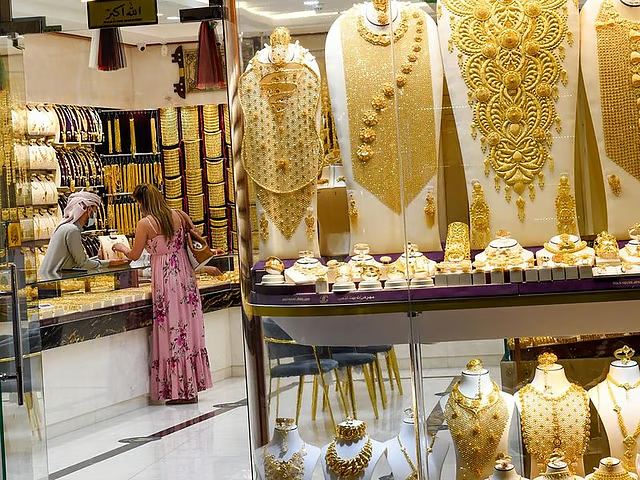
Dubai: As Indian expatriate families across the UAE get ready to celebrate Dhanteras and Diwali, buying jewellery remains an important part of the festive tradition. However, after significant fluctuations in gold prices this year, shoppers are increasingly weighing their budgets, the practicality of their purchases and overall value.
Jewellers say customers are not turning away from gold. Instead, many are opting for lighter chains, smaller bangles and modern designs. Natural diamonds and coloured gemstones are also gaining popularity alongside traditional 22-karat gold jewellery.
What is Dhanteras?
Dhanteras marks the beginning of the five-day Diwali celebrations and falls on the 13th day of the dark fortnight of the Hindu lunar month of Kartik. The name comes from two Sanskrit words: ‘dhan’, meaning wealth, and ‘teras’, referring to the 13th day.
On this occasion, devotees worship Goddess Lakshmi, the deity of wealth and prosperity, and Lord Dhanvantari, associated with health and Ayurveda.
In the UAE, many Indian expatriate families mark the occasion by cleaning their homes and lighting lamps. Gold souks and shopping malls also see increased footfall as shoppers purchase gold, silver and new utensils, traditionally considered auspicious gifts that bring prosperity and good fortune.
This year, the main gold-buying Muhurat runs from 10.30am on November 6 to 6.37am on November 7.
Buyers turn to lighter jewellery
John Paul Alukkas, CEO of Joyalukkas Jewellery, says festive shopping preferences have changed considerably over the past five years.
“If I look back five years, the festive basket was heavily dominated by traditional, heavier bridal sets and classic gold. Today, the mix is far more dynamic. Our top sellers right now are lightweight gold chains, versatile diamond pendants and everyday-wear bangles.”
He said the changing trend does not necessarily mean customers are purchasing less jewellery. Instead, shoppers increasingly want pieces that can be worn on different occasions throughout the year.
“The shift isn’t about customers buying less, it’s about them buying smarter. They want pieces that offer the festive feeling but can seamlessly transition into their everyday wardrobe. It’s a beautiful blend of tradition meeting modern practicality.”
Lightweight gold and everyday designs gain popularity
Across jewellery retailers, lightweight designs are becoming an increasingly popular response to higher gold prices. However, traditional jewellery continues to feature prominently in festive and wedding purchases.
Shamlal Ahamed, managing director of international operations at Malabar Gold & Diamonds, says customers are showing interest in a wider range of collections, including natural diamonds, precious gemstones and contemporary stackable gold jewellery.
“Over the past five years, consumer preferences have become increasingly diverse. While traditional gold jewellery continues to remain a festive favourite, customers are also embracing lightweight, contemporary designs, natural diamond jewellery, coloured gemstones, and everyday-wear pieces that offer both style and value,” Ahamed said.
At Bafleh Jewellers, traditional 22-karat gold jewellery remains popular, particularly necklaces, bangles and chains. The retailer is also witnessing growing interest in lightweight everyday pieces, diamond jewellery and contemporary designs.
Chirag Vora, managing director of Bafleh Jewellers, says shoppers have become more conscious of design and pricing as gold becomes more expensive.
“Customers are increasingly looking for pieces that offer aesthetic appeal, cultural significance and long-term value,” he said.
At Kanz Jewels, buying preferences also reflect the UAE’s diverse customer base. Anil Dhanak, managing director of Kanz Jewels, says Indian customers continue to favour 22-karat gold jewellery for festivals, weddings and gifting, while Western customers generally show a stronger preference for 18-karat pieces.
These differences underline the need for retailers to cater to varying cultural traditions, personal preferences and spending capacities as the market adapts to changing gold prices.
How are shoppers managing gold prices?
Gold prices have experienced considerable volatility in 2026, making the timing of purchases an important consideration for consumers preparing for the festive season.
On November 6, 22-karat gold in Dubai was priced at Dh451.50 per gram, while 24-karat gold stood at Dh487.50. On Diwali last year, October 20, 2025, the corresponding rates were Dh474.25 and Dh512.25 per gram.
This means 22-karat gold is Dh22.75 per gram cheaper than it was on the same festival date last year, while the 24-karat rate is lower by Dh24.75. These are indicative gold rates and exclude jewellery-making charges and other applicable costs.
However, the year-on-year comparison reflects just one point in an unusually volatile period. Gold climbed to a record of around $5,595 an ounce in January before retreating towards $4,000 amid shifting expectations for US interest rates, a stronger dollar and the effects of the Iran war on oil prices and bond yields.
For shoppers, the recent decline offers some relief compared with last year’s festive levels, although uncertainty over the direction of prices remains.
Joyalukkas’ Alukkas says consumers are responding by adjusting the composition of their purchases rather than simply postponing them in the hope of lower prices.
“It’s a fascinating shift in behavior. Are they buying fewer grams? Yes, on average. Are they spending more overall? Also, yes. And are they holding off? Some are, but the majority are simply pivoting.”
He said many customers were maintaining similar spending budgets but choosing lighter pieces with more intricate designs. Others were exchanging old gold or considering diamond jewellery instead of heavier gold sets.
Bafleh’s Vora described a similar trend, with some customers sticking to their planned budgets while purchasing fewer grams, while others are opting for smaller pieces to keep spending under control.
Kanz Jewels’ Dhanak said higher prices had not diminished the appeal of purchasing gold on auspicious occasions.
“When prices rise, consumers tend to adjust their budgets by purchasing lighter pieces or fewer grams rather than abandoning their purchases altogether. We therefore remain optimistic about festive demand.”
For many households, the decision to buy jewellery goes beyond the daily gold rate. Gifting, weddings and long-standing family customs continue to influence when and why people make their purchases.
Can buying schemes help shoppers?
Jewellery retailers are also offering advance-payment plans, gold exchange programmes and festive promotions to make purchases more affordable and manageable.
Malabar Gold & Diamonds said its scheme, which allows customers to pay a 25 per cent advance and lock in the prevailing gold rate, has been particularly popular during the festive period.
“Rather than postponing purchases, many are actively seeking ways to maximize value through planned buying,” Ahamed said.
Such schemes can help shoppers manage the risk of gold prices increasing before they complete a planned purchase. However, buyers should carefully review the conditions, including whether the rate is guaranteed, how cancellations are handled and whether any additional restrictions apply.
Gold exchange programmes provide another option for customers looking to replace jewellery they no longer wear. Exchanging old pieces for new designs can reduce the additional cash required, although the final exchange value depends on factors such as weight, purity, deductions and the retailer’s terms.
One important consideration is the final bill rather than the advertised gold rate alone. Making charges, gemstone costs and applicable taxes can add significantly to the price of a finished piece.
What are jewellers expecting this Dhanteras and Diwali?
Despite uncertainty over gold prices, retailers remain broadly positive about festive demand, although they expect purchasing preferences to continue evolving.
Malabar Gold & Diamonds expects festive shopping and the approaching wedding season to support demand.
“For many families, buying gold during Dhanteras and Diwali is not just a purchase decision but also a cherished tradition, and we expect that sentiment to continue driving strong demand,” Ahamed said.
Joyalukkas expects the overall value of jewellery purchases to remain healthy, even if consumers buy fewer grams of gold.
“If prices keep climbing, I expect the volume of gold in grams to adjust, but the overall value of purchases to remain robust. Customers will lean towards beautiful, lighter designs, diamonds or take advantage of our exchange programs,” Alukkas said.
Bafleh also expects festive demand to remain significant, although further price increases could make shoppers more cautious. Vora said consumers were likely to concentrate on lightweight jewellery, smaller purchases and designs that balance affordability with visual appeal.
The retailer also expects purchasing power and consumer confidence, alongside gold prices, to play an important role in determining the season’s performance.
Will gold prices rise or fall from here?
The short-term outlook for gold remains uncertain. Factors such as elevated US Treasury yields, a stronger dollar and expectations of another interest rate hike in December could put pressure on prices. Several analysts have also revised their gold price forecasts for 2026 and 2027.
However, continued central bank purchases, physical demand and concerns over government debt and currency depreciation could provide some support to the precious metal.
These projections are estimates rather than guarantees, and gold prices could move sharply in either direction. UAE retail rates will also fluctuate in line with international bullion prices.
For consumers wondering whether to buy now or wait for another price dip, predicting the exact market bottom is difficult. Those purchasing jewellery for a wedding or festival with a fixed date may find it more practical to stick to a budget and choose a design they can afford rather than base their decision on market predictions.
Shoppers with greater flexibility can monitor prices over several days, compare making charges and check whether advance-payment schemes offer genuine protection against future price increases. Spreading purchases over time may also reduce the risk of committing an entire budget at a single price, although it does not guarantee a lower overall cost.
As Dhanteras celebrations get underway, gold continues to hold its traditional appeal. What is evolving is how families balance festive traditions, personal preferences and affordability when choosing their next purchase.

