

Diwali mithai doesn’t last forever: Here’s how long your favourite sweets stay fresh in the UAE.
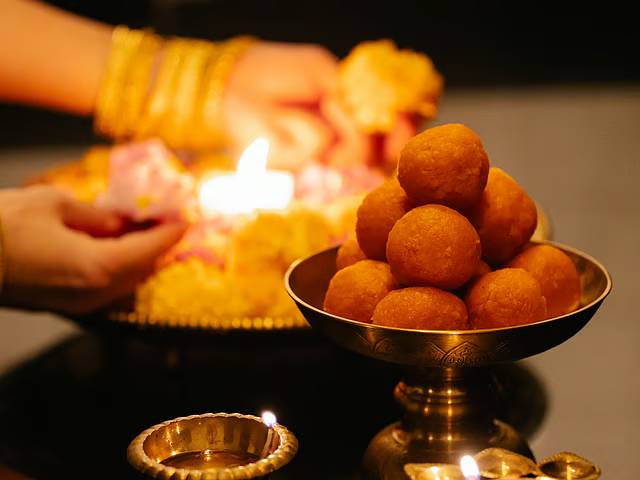
Every Desi household is familiar with the Diwali ritual. In the days leading up to the festival, sweet boxes begin arriving in abundance, filled with favourites such as kaju katli, ladoos and gulab jamun. Soon, the refrigerator turns into a storage puzzle, with families carefully shifting boxes around while wondering which sweets should be eaten first and which ones will last the week.
The answer depends less on the amount of sugar and more on moisture content, food experts say.
As Sanjit Advani, director of My Govindas, explains: “The higher the water content for the make of a mithai the shorter the shelf life.”
However, moisture is not the only factor affecting how long festive sweets remain fresh. Ingredients, preparation methods and storage conditions also play an important role, according to Melanie Dsouza, a clinical dietician at Medcare Shaikh Saqr Al Qasimi Hospital.
That does not mean avoiding sweets altogether during the festive season. “People often ask me if they have to give up sweets during Diwali. My answer is no. Just enjoy them, rather than grazing on them all day,” said Zulekha Memon, a holistic health coach at Nutriwellnessguide FZE LLC.
A little planning can help prevent food waste and keep festive treats safe to enjoy. Generally, the softer and more moisture-rich a mithai is, the shorter its shelf life. Denser, drier sweets tend to stay fresh for longer.
The first sweets to eat
Some of the most popular festive treats are also among the most perishable. Rasgulla, kalakand, sondesh and rabri should be consumed sooner rather than later.
Meethli Parekh, founder of Healthbliss, highlights the risks associated with these sweets.
“High moisture and protein make these extremely perishable,” she said, recommending a shelf life of just one to two days at room temperature and three to four days under refrigeration.
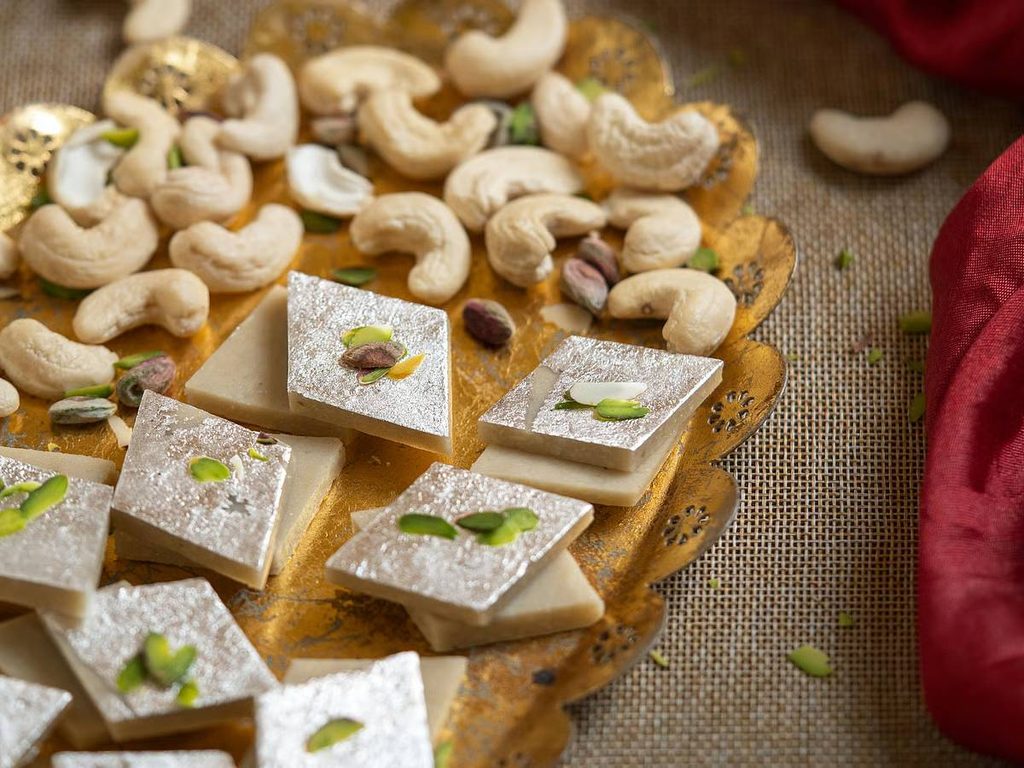
Their rich, creamy texture is also what makes them particularly vulnerable to spoilage. Sweets prepared with fresh milk, cream or khoya can provide favourable conditions for bacterial growth, especially when left at room temperature, Dsouza explained.
The takeaway is simple: enjoy these milk-based delicacies early in the festive season rather than saving them for later.
Where sugar helps, but only up to a point
Further along the shelf-life scale are syrup-based favourites such as gulab jamun and jalebi, along with motichoor ladoos.
In these sweets, sugar can help slow spoilage.
“Concentrated sugar acts as a preservative,” Parekh said.
According to her, syrup-based sweets generally last two to three days at room temperature and up to seven days when refrigerated.
Dsouza explains that sugar can slow microbial growth by binding available water, but it does not make sweets immune to spoilage.
The marathon runners
At the drier end of the spectrum are sweets built to last: besan ladoo, Mysore pak and pinni. These are made with flour slowly roasted in ghee until very little moisture remains.
“Thoroughly roasted flours and fats leave almost no water content,” Parekh said. Stored in an airtight container, these sweets can stay fresh for two to three weeks at room temperature.
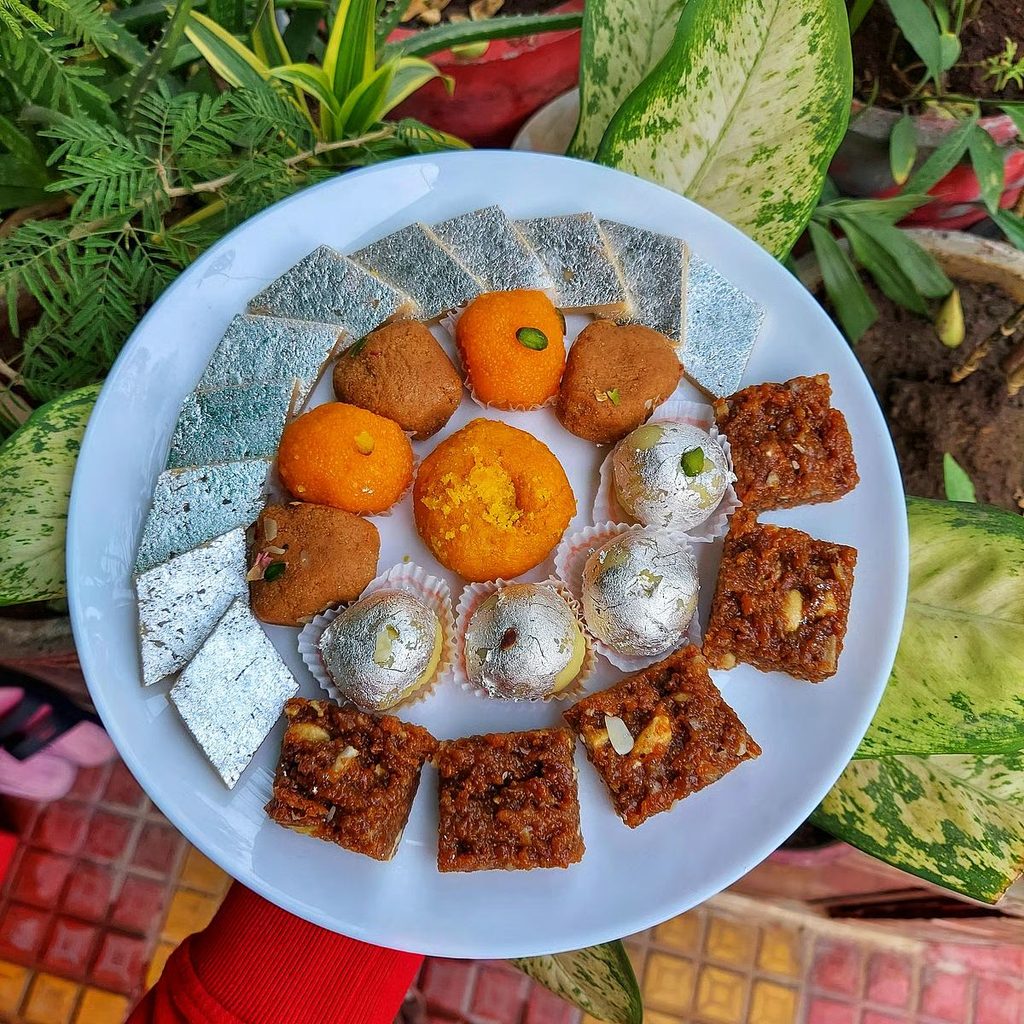
She advises against refrigerating them, as the cold causes the ghee to solidify and harden their texture. Nobody wants a ladoo so hard it could skip across a pond.
Then come the jewellery-box favourites of the mithai world: kaju katli, anjeer bites and badam barfi. Low in moisture and rich in nut oils, they can last five to seven days at room temperature and up to two weeks in the refrigerator, Parekh said.
Advani agrees that dry-fruit sweets have a longer shelf life. His shop’s zero-sugar range, he said, can last up to one-and-a-half months.
However, nuts come with their own storage concerns. Their natural oils can turn rancid over time, Dsouza warned, particularly when exposed to heat, light and air.
A box of kaju katli left on a sunny windowsill may be ageing faster than you think.
Same sweet, different clocks
Shelf-life estimates can vary, even for the same sweet. Advani says kaju katli can last up to 15 days, while gulab jamun keeps for around 10 days. Dsouza, meanwhile, recommends eating gulab jamun within one to two days if kept at room temperature, although refrigeration can extend its shelf life.
Both estimates can be valid. How long a sweet stays fresh depends on its recipe, preparation and storage conditions. Dsouza therefore cautions against treating shelf-life figures as fixed expiry dates.
“These are general estimates rather than fixed expiry periods,” she said. Her advice is straightforward: “Always check and read the label for instructions on the product.”
The fridge is not a time machine
During festival week, the instinct is often to stack every box in the refrigerator and forget about it. But Dsouza warns that refrigeration does not keep sweets safe indefinitely.
Her recommendations are simple: use clean, airtight containers and refrigerate sweets promptly at around 4°C or below.
She also flags a common hosting habit: repeatedly taking the same box out for guests, leaving it on the coffee table and returning it to the fridge.
“It is also advisable to avoid repeatedly taking the same container out of the refrigerator and leaving it at room temperature,” she said, explaining that temperature fluctuations can affect both freshness and food safety.
The solution is simple: serve what you need on a plate and return the rest to the refrigerator immediately.
Advani also stresses the importance of consistent storage. “It’s important to keep sweets at a stable temperature of 15 degrees Celsius or lower,” he said.
Boondi and motichoor ladoos, he added, can be left out for three days or less, provided they are kept away from direct sunlight. For a longer shelf life, he recommends refrigerating them after two days.
Loose or boxed?
Buying mithai loose from the glass counter of a neighbourhood sweet shop has its charm, but these sweets may have a shorter shelf life.
“Unpackaged sweets from local shops contain no preservatives and should be eaten within a few days,” Parekh said.
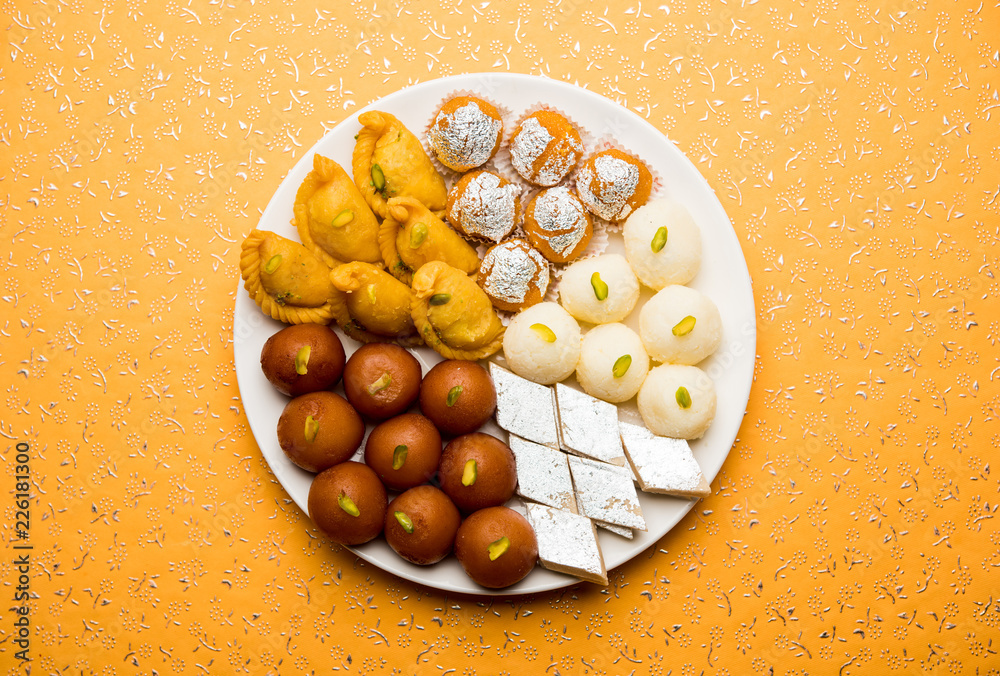
Commercial sweets, on the other hand, may last several months unopened when sealed in vacuum bags or tins using modified atmosphere packaging (MAP), which uses inert gases to help preserve freshness.
Advani said his shop prints dates on its packaging and aims to use fresh ghee and no preservatives.
However, attractive packaging is no guarantee of freshness or safety, Dsouza cautioned. Her advice at the checkout is clear: “A damaged, swollen or leaking package should be avoided.”
Enjoy the sweet, not the sugar rush
Memon advises against giving up festive treats altogether. Instead, she recommends choosing a favourite sweet and enjoying it after a meal rather than on an empty stomach. Pairing it with a few nuts or some yoghurt, followed by a short walk, can also help.
She also warns against assuming that jaggery-based sweets contain less sugar. Jaggery, despite being unrefined cane sugar, is still sugar.
Reading the clues
Mould and a sour smell are obvious signs that a sweet has spoiled. But by the time these appear, the sweet may have been deteriorating for days. Parekh advises watching for other warning signs, including hardening, a rubbery texture, syrup separating or leaking, and a stale or metallic taste caused by the oxidation of ghee or nut oils.
She also points to the silver leaf, or vark, used to decorate many mithai varieties. A dull finish or slight discolouration around the edges can be an early indication that a sweet is losing its freshness, even before mould appears.
However, Dsouza cautions against relying on taste to determine whether a sweet is safe to eat.
“Harmful bacteria can sometimes be present without causing any noticeable changes to the food,” she said. “Tasting a small portion to check whether a sweet is still good is therefore not a safe way to assess it.”
If there is any uncertainty about how a sweet has been stored or how long it has been left out, Dsouza recommends discarding it rather than taking a chance. This is particularly important when serving children, older adults, pregnant women and people with weakened immune systems.
Savour, don’t graze
Keeping mithai fresh is only half the equation. How you enjoy it matters, too.
Memon recommends choosing one favourite sweet and having it after a meal rather than on an empty stomach. Pairing it with a few nuts or some yoghurt, followed by a short walk, can also help. She offers a reminder for anyone looking for a healthier alternative: jaggery is still sugar.
She also suggests making a few thoughtful swaps. Chhena-based sweets such as sandesh or rasgulla can replace gulab jamun, while chana chaat is an alternative to kachori.
“Anjeer-khajur burfi (fig and date fudge), chikki (traditional Indian nut brittle, usually made with jaggery) and besan ladoo (sweet gram flour balls) are also great options,” she said. Jalebi, a deep-fried sweet soaked in syrup, is best reserved for an occasional treat. Her advice for savoury snacks is equally simple: serve namkeen in a small bowl instead of eating directly from the packet.
For people living with diabetes, Memon recommends extra care with portions and meal timings.
“Sweets can raise blood sugar levels quickly, so portions should be limited to a small piece, eaten only after a balanced meal and never on their own,” she said.
She also advises limiting fried snacks, taking prescribed medication as directed, avoiding skipped meals, monitoring blood sugar more frequently and consulting a doctor if readings remain high.
Ultimately, the experts’ advice could fit on a note stuck to the refrigerator: buy only what you can finish, eat the more delicate sweets first and save the besan ladoos for later.
“Festive sweets are best enjoyed when they are fresh and handled safely,” Dsouza said.

