

Dermatologists warn that young skin is naturally delicate and does not need the intensive treatments often promoted by beauty influencers.
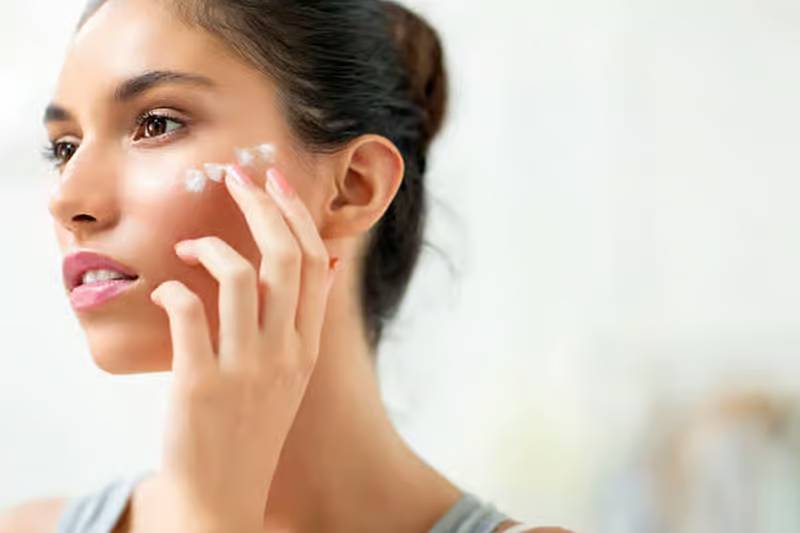
The growing influence of social media beauty standards is raising concerns among UAE dermatologists, as increasing numbers of young children adopt skincare routines designed for adults.
Girls as young as seven are sharing elaborate, multi-step skincare routines on social media, prompting concerns about the pressure children and teenagers face to achieve flawless, glowing complexions.
The trend is often associated with the pursuit of ‘glass skin’ — a smooth, luminous and seemingly poreless complexion. However, the desire to replicate these beauty ideals is encouraging younger audiences to experiment with products and treatments that may not be suitable for their developing skin.
An article published in the American Academy of Pediatrics journal Pediatrics, titled Skin Care Regimens on TikTok, highlights how video-based online content increasingly features young girls demonstrating elaborate skincare routines. Researchers warn that such content could influence skincare habits among children.
Dr Vijayeeta Jairath, Specialist Dermatologist at NMC Royal Hospital DIP, Dubai, said children and teenagers were increasingly influenced by online beauty ideals, often without understanding the potential risks of following skincare routines designed for adults.
“The growing popularity of the glass skin trend is concerning, particularly among children and teenagers who are increasingly influenced by social media beauty standards. While healthy, glowing skin is desirable, achieving it should never come at the cost of skin health.”
She explained that young skin is naturally delicate and does not require the intensive treatments frequently promoted by beauty influencers.
Repeated or excessive exposure to active ingredients such as alpha hydroxy acids (AHAs), beta hydroxy acids (BHAs), retinol and high-concentration vitamin C can trigger reactions including “irritation, redness, dryness, peeling and increased skin sensitivity”, she added.
How the glass skin obsession can damage the skin barrier
Beyond temporary irritation, dermatologists warn that excessive exfoliation and the inappropriate use of active ingredients can weaken the skin’s protective barrier.
This barrier plays a vital role in retaining moisture and protecting the skin from environmental irritants. When compromised, the skin can become more vulnerable to inflammation, irritation and sensitivity.
Dr Jairath said overusing potent skincare ingredients could disrupt the skin’s natural protective barrier and potentially aggravate existing skin conditions.
“In some cases, this may also trigger or worsen acne, eczema and post-inflammatory pigmentation,” she said.
Dr Charandeep Kaur, Specialist in Dermatology, said the pursuit of a poreless, glowing complexion could itself cause skin damage.
“Repeated and aggressive exfoliation can lead to severely damaged stratum corneum,” she said.
She explained that the stratum corneum, the outermost layer of the skin, helps retain moisture and protects against external irritants and allergens.
When this layer is damaged, the skin can become increasingly reactive to everyday environmental changes.
“Damaged skin is more reactive to environmental triggers like dust, weather changes [heat, cold], chemicals and allergens leading to warning symptoms and consequences such as itching, dryness, redness, tightness, and increased sensitivity.”
Why children do not need elaborate skincare routines
As skincare trends increasingly reach younger audiences, dermatologists stress that children should not feel pressured to follow complicated routines or use products designed to address adult skin concerns.
Dr Jairath said skincare routines should be based on individual needs rather than viral beauty trends, adding that professional advice could help families determine whether active ingredients were necessary at all.
She stressed that the focus should be on maintaining healthy skin rather than chasing unrealistic standards of perfection.
“Active ingredients can be beneficial when used appropriately for specific skin concerns, but they should not become a routine necessity for children or teenagers without professional guidance.”
For parents, the growing glass skin trend serves as a reminder that using more products does not necessarily lead to healthier skin.
Dr Raihan Ashraf, Specialist Dermatologist at Aster Day Surgery Center, Mankhool, said age-appropriate skincare should prioritise protecting the skin rather than experimenting with specialised treatments.
“Children and teenagers should generally stick to basic cleansing, moisturising, and sunscreen. Active or specialised treatments should only be used under a dermatologist’s guidance, particularly to ensure that products are appropriate for their age and skin type.”
“Certain potent ingredients, including steroids and hydroquinone, should only be used for specific medical conditions under a doctor’s supervision, as inappropriate or prolonged use can cause adverse skin effects,” she added.

