

Oil prices edge lower as Gulf shipping and security concerns remain.
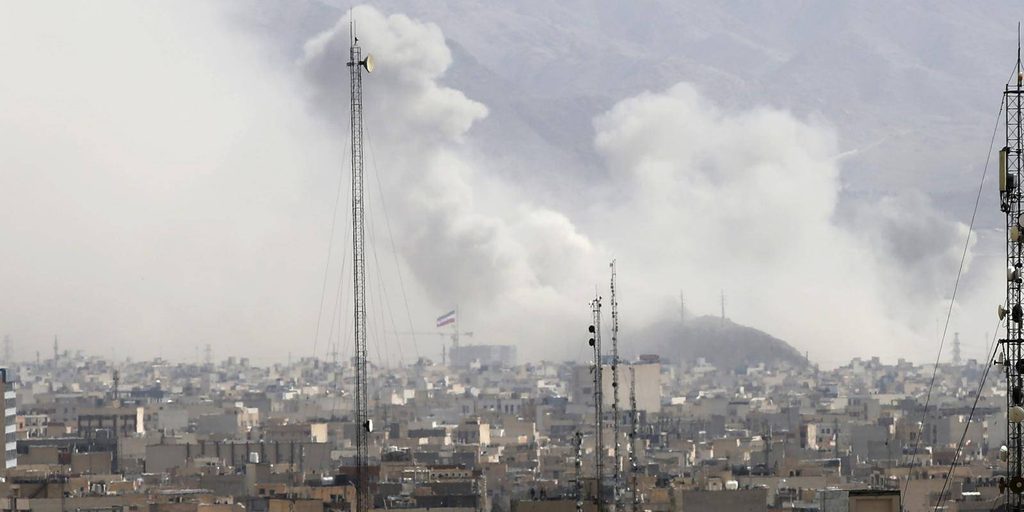
Oil prices are declining amid hopes of diplomatic progress, while Washington considers its next steps following Republican losses in the midterm elections. However, disruptions to regional air travel and shipping continue.
The key word remains uncertainty. Lower oil prices do not mean maritime traffic has returned to normal, and the expiry of a previously announced suspension deadline does not necessarily mean flights will resume.
Aviation: More airlines resume services ahead of the winter rush
Dubai’s winter flight schedule is expanding, with British Airways resuming its London-Dubai services on November 3. Lufthansa, SWISS and Eurowings are scheduled to follow on November 25, while Austrian Airlines plans to restart flights on December 12.
Philippine Airlines, Air Astana and Aegean Airlines have already restored services. Seat capacity at UAE airports reached 7.2 million in October, marking a 23 per cent increase from June.
However, regional tensions continue to affect operations, with Etihad Airways, Emirates, flydubai and Air Arabia reporting cancellations and delays at UAE airports.
Saudi flight suspensions extended: Check before travelling
One of the most significant developments for passengers is the extension of Etihad’s Riyadh and Dammam flight suspensions beyond the previously announced November 5 deadline.
According to aviation updates:
- Abu Dhabi–Riyadh and Abu Dhabi–Dammam: All passenger and cargo flights remain cancelled through November 19.
- Abu Dhabi–Jeddah: Selected services — EY601, EY602, EY603 and EY604 — are scheduled to resume on November 6. Other Jeddah flights are reported to be operating as scheduled. These plans remain subject to operational changes.
- Iranian airlines: Services to and from the UAE, including Iran Airtour flights serving Dubai, remain suspended until further notice.
- Tel Aviv: Emirates-flydubai codeshare services remain suspended. This does not mean all UAE-Tel Aviv services have been halted.
Cancellations have also been reported on selected Emirates services to Saudi Arabia, alongside disruptions affecting flydubai and Air Arabia.
Passengers should check their airline’s app or official flight-status page before leaving home, verify connecting flights separately and contact their carrier about rebooking or refund options if affected. Schedules may change at short notice.
Security: UAE prioritises diplomacy while preparing for escalation
UAE Presidential Adviser Anwar Gargash has said the country favours diplomacy but is also “braced for the worst”. The report also highlighted strengthened Gulf defences and warnings from some Arab states that attacks on their infrastructure could prompt individual or collective retaliation.
Security concerns remain focused on military and energy infrastructure, Saudi destinations and maritime routes. Houthi claims of attacks on Saudi airports and military sites have also continued, although several of these claims have not been independently confirmed by Saudi authorities or other sources.
Residents should rely on official UAE announcements rather than circulate unverified footage or social media warnings. Keeping passports, travel bookings and emergency contact details accessible may also help those with upcoming travel plans. No new UAE-wide evacuation instruction or blanket airport closure for November 5 was reported.
Economy and oil: Brent falls below $94 as disruption continues
Oil prices extended their decline on Thursday as investors assessed the possibility of negotiations rather than an immediate return to military strikes. Gulf News reported the following prices at 9.59am Beijing time — 5.59am UAE time — on November 5.
The decline has been linked to expectations that US President Donald Trump may pursue diplomacy following Republican election losses, alongside mediation efforts by Qatar.
The movement suggests that markets are reducing some of the additional premium associated with fears of further disruption. However, physical restrictions around the Strait of Hormuz remain in place, and prices are still above pre-war levels despite the recent retreat.
For residents and businesses, falling crude prices are an encouraging market signal, but they do not mean freight charges or imported-goods prices have returned to normal. War-risk insurance premiums and shipping costs may continue to affect imports. Businesses should review delivery schedules, insurance coverage and supply-chain exposure.
Shipping: Tanker incident highlights continued risks in the Strait of Hormuz
Gulf News’ November 4 briefing, citing the UK Maritime Trade Operations agency, reported that a tanker was struck by two unidentified projectiles about 14 nautical miles northeast of Oman on Tuesday, November 3.
The vessel’s engine room was hit, but no casualties or environmental damage were reported. The notice did not identify those responsible for the incident.
The report also cited vessel-tracking data showing that only five commodity vessels transited the Strait of Hormuz on Saturday, while none passed through on Sunday. Before the war, the waterway recorded more than 130 daily transits.
For UAE importers, exporters and seafarers, the immediate concern remains whether vessels can navigate the route reliably and secure insurance coverage. A decline in oil futures over a few trading sessions does not necessarily indicate that maritime activity has recovered.
Trump’s next move: Military action, a deal or continued economic pressure?
Axios reported that Trump is weighing three broad options following Republican losses in the midterm elections: resuming military strikes, negotiating an agreement or maintaining the naval blockade and economic pressure campaign.
According to Iran International’s account of the report, no final decision had been announced.
The report also described differing approaches within the US administration over how to proceed.
- Vice President JD Vance is reportedly pushing for an agreement with Tehran rather than a return to major military operations.
- CIA Director John Ratcliffe, Treasury Secretary Scott Bessent and other advisers favour continuing economic and naval pressure on Iran.
- US military officials have said preparations for possible large-scale combat operations are being completed, while Qatari mediators are working on a draft agreement aimed at preventing renewed hostilities and potentially reopening direct negotiations.
Axios also reported that Israeli Prime Minister Benjamin Netanyahu had pressed for military strikes before the midterm elections. However, advocating for an attack and preparing for possible operations do not amount to a presidential order to launch one.
For UAE residents, this helps explain how diplomatic optimism can exist alongside military uncertainty: negotiations may progress even as forces remain prepared for a possible escalation.
South Korea proposes expanding naval mission near Oman, away from Hormuz
South Korea plans to extend its Cheonghae anti-piracy mission from the Gulf of Aden to waters south of Oman, according to Yonhap reports carried by Iran International.
The proposed expansion includes a P-8A maritime patrol aircraft, an explosive ordnance disposal team, unmanned mine-clearing equipment and 75 additional personnel. This would increase the unit’s strength to 395.
Officials have described the proposed deployment as a non-combat mission that would operate independently of allied forces. The aircraft would not be permitted to monitor or target Iranian territory, territorial waters or areas inside the Strait of Hormuz.
The government is expected to seek Cabinet endorsement next week before the proposal goes to Parliament for approval.
Hegseth faces political pressure in Washington
CBS reported that Trump had asked advisers whether Defence Secretary Pete Hegseth should remain in his position following Republican losses in the midterm elections, according to Iran International. Sources said no decision had been made about replacing him.
Trump publicly defended Hegseth, saying he was “doing a very good job”, while the Pentagon rejected the criticism.
For residents across the Gulf, the developments offer insight into the discussions shaping Washington’s response to the conflict. However, they do not, by themselves, signal a change in US military policy.
Vance blames the war for election losses; Fleischer points to the ceasefire
US Vice President JD Vance linked Republican losses to the conflict, writing: “The reason we lost is the war.”
Former George W. Bush press secretary Ari Fleischer offered a contrasting view, arguing: “The problem was not the Iran War. It was the ceasefire.”
Fleischer called for the campaign to continue until Iran’s leadership fell. The opposing views highlight the competing demands emerging in Washington, with some voices calling for negotiations and others advocating continued military pressure. They do not indicate a unified political position on how to end the conflict.
What to watch next
- Flight operations: Watch for confirmation that Etihad’s selected Abu Dhabi-Jeddah services resume on November 6, along with any further changes to Saudi routes. Passengers should verify bookings directly with their airlines. The reported suspension of Riyadh and Dammam flights currently runs through November 19.
- Qatar-mediated negotiations: A confirmed acceptance of the proposed framework or the resumption of direct talks would mark a significant development. The reports available so far do not establish that a final agreement has been reached.
- Military preparations and orders: Distinguish between troop movements, contingency planning and a confirmed presidential decision to resume major strikes.
- Strait of Hormuz: Shipping advisories, actual vessel movements and insurance conditions will help indicate whether diplomatic progress is translating into safer maritime trade.
- Washington’s political developments: Watch for a formal announcement concerning Hegseth or an actual impeachment proceeding, rather than treating speculation as settled policy.
- South Korea’s naval mission: Cabinet endorsement and parliamentary approval will determine whether the proposed expansion of the Cheonghae mission goes ahead.

