

Oil Prices Fluctuate Amid Hopes of a Diplomatic Resolution to US-Iran War as Democrats Make Gains in Elections.
Daily life across the UAE continues largely as normal, while oil prices have eased after recent fluctuations. However, security concerns remain across the region, particularly in maritime routes, airspace and energy markets.
Diplomatic efforts between the US and Iran have yet to produce an agreement. Meanwhile, the latest US midterm election results indicate that Republicans, the party of President Donald Trump, are facing the prospect of losing control of both the House of Representatives and the Senate.
Qatar-mediated talks have raised hopes of a diplomatic breakthrough that could improve shipping access through the region and help stabilise Middle Eastern oil exports.
Analysts have also pointed to Iranian President Masoud Pezeshkian’s remarks that Supreme Leader Mojtaba Khamenei had authorised the government to pursue peace negotiations.
Washington has said diplomatic discussions are continuing, with no decision yet taken on launching fresh military strikes against Iran.
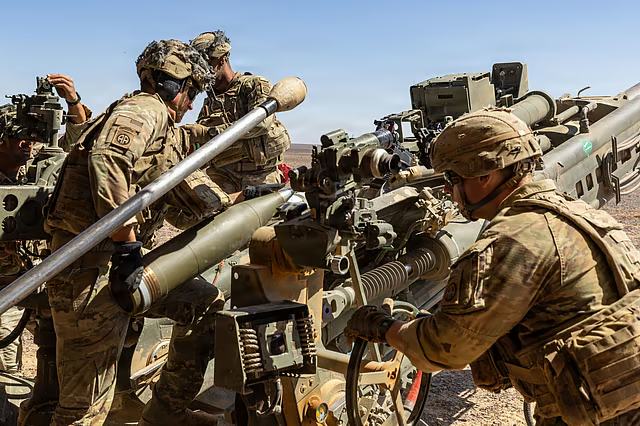
However, the US has not ruled out further military action. The third carrier strike group, led by the USS Theodore Roosevelt, is reportedly heading towards the US Central Command (CentCom) area of responsibility. Additional military equipment is also said to be moving from the US mainland to the Middle East.
Here are the latest developments:
Security and regional risks
- Gulf states issue warning to Iran: The Wall Street Journal reported on Monday that several Arab states had warned Tehran they could respond individually or collectively if their critical infrastructure came under attack. Gulf countries have also reportedly conducted security exercises, including at airports.
- UAE’s position: Presidential adviser Anwar Gargash told the Manama Dialogue that the UAE continues to favour diplomacy but remains “braced for the worst”. He added that Gulf states had strengthened their national defences but had yet to demonstrate sufficient collective coordination.
- Strikes on Qeshm Island: US officials said limited American strikes had targeted Iranian air-defence systems on Qeshm Island, the largest island near the Strait of Hormuz.
- Houthi attacks on Saudi Arabia: The Houthis have continued to claim attacks against Saudi targets, particularly airports and military installations. Riyadh has not independently confirmed most of these claims. On November 2, the group said it had launched drones towards Dammam airport, a Jizan early-warning radar installation and a military transport aircraft at Jizan airport. Saudi authorities had not immediately commented.
- Ballistic missile intercepted: Saudi air defences intercepted and destroyed a ballistic missile heading towards the kingdom’s southern region. Civil defence alerts issued for Khamis Mushait, Abha, Taif and Najran were subsequently lifted.
- Further Houthi claims on November 3: A Saudi-focused news outlet reported that the Houthis had claimed responsibility for a drone attack on Abha airport and a ballistic missile strike targeting Khamis Mushait Air Base. Neither claim has been independently verified.
- Fighting continues in Yemen: Houthi-affiliated media reported that seven people were injured in Saudi-led coalition air strikes on Hodeidah, as clashes continued in the al-Jawf region.
- US travel advisory: The US State Department has warned of potential missile and drone attacks, falling debris and security threats near military installations and energy infrastructure in Saudi Arabia.
- Diplomatic efforts: Qatar continues to facilitate negotiations between Washington and Tehran. Iran is reportedly seeking sanctions relief, an end to the US naval blockade and the release of frozen financial assets. No agreement has been reached so far.
- US military movements: Open-source intelligence analysts have reported an increase in US military cargo flights arriving in southern Israel. They view the activity as a possible indication of preparations for further military action against Iran. Washington has not confirmed any plans for a new attack.
- Trump yet to make a decision: The decision on whether to pursue diplomacy or authorise further military action ultimately rests with US President Donald Trump. CentCom commander Admiral Brad Cooper has reportedly briefed him on possible military options, including a proposed “short, intense campaign”.
Aviation and travel
Any further escalation in the region could lead to additional airspace restrictions, flight diversions and cancellations, potentially disrupting travel across the Middle East.
Aviation and travel
- Airlines resuming services: British Airways was scheduled to resume flights to Dubai on November 3. Lufthansa, SWISS and Eurowings are expected to restart services from November 25, followed by Austrian Airlines on December 12.
- Etihad’s Saudi routes: Etihad Airways has extended the suspension of its Abu Dhabi flights to Riyadh, Jeddah and Dammam until November 5.
- Advice for travellers: Passengers should check the latest updates directly with their airlines before leaving for the airport and allow additional time for possible travel disruptions.
Maritime and shipping
- Tanker struck off Oman’s coast: The UK Maritime Trade Operations (UKMTO) reported on Tuesday that a tanker had been hit by two unidentified projectiles approximately 14 nautical miles northeast of Lima. The projectiles struck the vessel’s engine room. No casualties or environmental damage were reported. UKMTO did not identify the tanker or establish the origin of the projectiles.
- Sharp decline in Strait of Hormuz traffic: Vessel-tracking data showed that only five commodity-carrying ships passed through the Strait of Hormuz on Saturday, while no crossings were recorded on Sunday. Before the conflict, more than 130 vessels transited the strategic waterway each day.
- Indian seafarer killed: India confirmed that an Indian sailor had died following an attack on the vessel MSV Al Jusufi near Oman.
- Rising shipping costs: The conflict could push up maritime war-risk insurance premiums and freight charges, potentially increasing the cost of imported goods and putting further pressure on regional supply chains.
Oil prices
Oil prices declined sharply on Monday, November 2, with Brent crude falling nearly 7% to around $105.50 a barrel amid growing hopes of a diplomatic agreement between Washington and Tehran. Despite the decline, prices remain considerably higher than pre-war levels.
The downward trend continued on Tuesday, November 3, and Wednesday, November 4. According to OilPrice.com data as of 8.09am Tokyo time on November 4, Brent crude was trading at $103 a barrel, down 1.68%, while Murban crude stood at $102.20, a decline of 2.98%.
According to OilPrice.com, the primary factor behind the decline is a reduction in the geopolitical risk premium — the additional amount investors are willing to pay when conflict threatens future oil supplies.
Qatar has said both Washington and Tehran remain committed to mediation efforts. However, a senior Iranian official indicated that the two sides were still “far” from reaching an agreement.
What UAE residents and businesses should do today
- Check flight updates: Monitor airline notifications and verify flight status before travelling to the airport.
- Monitor shipping and oil markets: Keep track of UKMTO maritime security advisories and Brent crude prices for indications of changing regional risks.
- Follow official announcements: Rely on updates from UAE authorities and verified government sources rather than unconfirmed social media reports.
- Keep essential documents accessible: Ensure passports, emergency contact numbers, travel documents and booking details are readily available.
- Review business operations: Companies dependent on regional shipping should reassess freight schedules, insurance coverage and potential supply-chain disruptions.
While diplomatic efforts have helped ease some immediate pressure on oil markets, uncertainty remains over regional security, maritime traffic and the possibility of further military escalation.

