

Explore eerie ghost stories and chilling legends surrounding the UAE’s most mysterious places.
Stories of strange happenings emerge from deep within the desert dunes, from abandoned villages to windows said to hold ghostly shadows and echoes. While the UAE’s cities are increasingly defined by their towering skylines, tales of djinn, magic and spirits continue to capture the imagination, often shared around campfires.
Look beyond the spooky stories, however, and these places reveal a rich history shaped by migration, global trade and distinctive architectural influences. They also draw curious visitors eager to explore the locations and decide for themselves what is fact and what is folklore.
Happy Halloween! Here are some local legends and reportedly haunted places that may send a shiver down your spine.
Al Qasimi Palace in Ras Al Khaimah
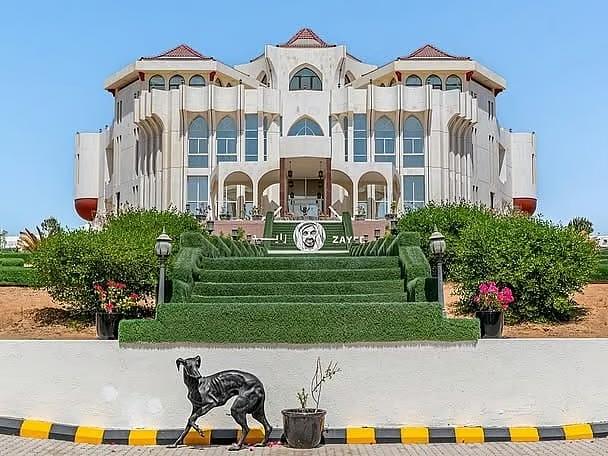
Creaking sounds in the stillness of the night, chandeliers covered in cobwebs, flickering lights and windows where shadows and blurred faces are said to appear — these are among the eerie tales associated with Al Qasimi Palace in Ras Al Khaimah.
The sprawling property has 35 rooms spread across four floors and reportedly took 10 years to complete. Its first owners moved in in 1985. The palace was built by Sheikh Abdulaziz bin Humaid Al Qasimi, who was known for his appreciation of art and culture.
Set on a hill in Al Dhait North, the grand residence features a marble façade and interiors that once housed artefacts and paintings influenced by Islamic, Moroccan and Persian traditions. The construction is reported to have cost Dh500 million.
The rumours reportedly began just a day after the Al Qasimi family moved into the property. After spending months perfecting its interiors and living spaces, the family is said to have left in a hurry following a single night, claiming the palace was haunted.
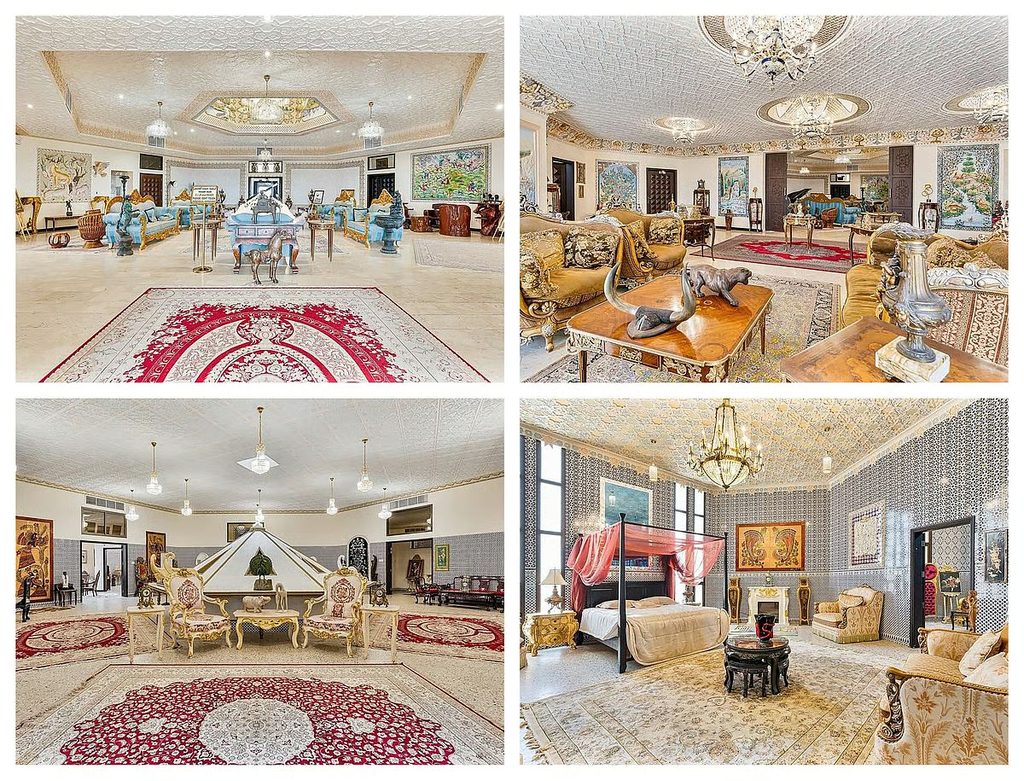
Since then, visitors have reported sightings of mysterious figures and heard unexplained noises. While some believe the howling sounds at night are caused by strong winds passing through narrow openings, others suspect they may come from trespassers lurking in the shadows. Whatever the explanation, the palace remained unoccupied until 2019, when it was purchased by Tareq Ahmad Al Sharhan, who renovated the property and renamed it Al Qasr Al Ghamedh.
The renovation also marked the beginning of its life as a visitor attraction. The palace opened its doors to the public, welcoming visitors daily from 9am to 8pm, with tickets priced at Dh75.
Now, the property is reportedly up for sale again, with an asking price ranging from Dh22.5 million to Dh25 million. Would you dare to visit — or even spend a night there?
Al Jazirah Al Hamra, Ras Al Khaimah
The sound of wind brushing against coral walls, sand shifting across the ground as daylight fades, and the occasional crumble of ageing structures lend an eerie atmosphere to this former pearling village.
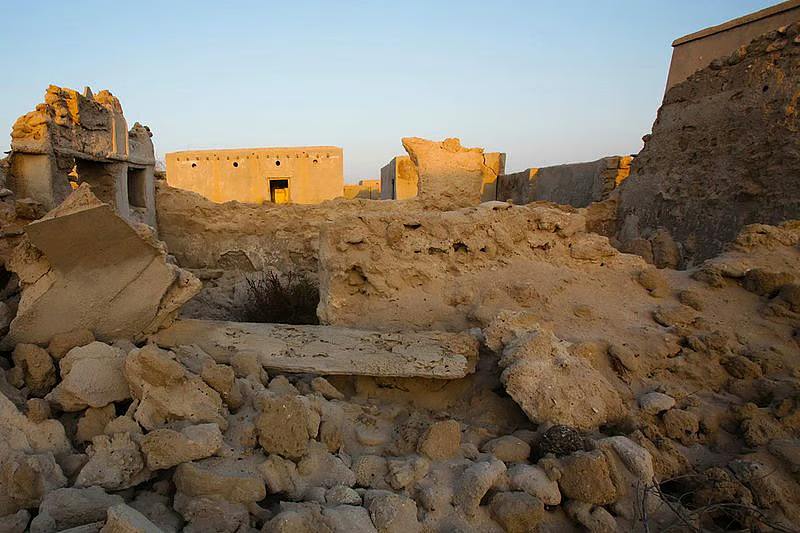
Local stories speak of djinn inhabiting homes once occupied by pearling families, while others believe the strange feeling visitors experience among the ruins comes from echoes of the past.
Today, Al Jazirah Al Hamra hosts an annual art festival, offers heritage tours and has occasionally served as a film location.
The village was once home to the Zaab tribe and featured traditional buildings designed to make the most of natural ventilation and keep interiors cool in the desert heat. Its residents gradually left between 1968 and 1971, following the discovery of oil and the shift towards urban life. The sudden departure of the community helped fuel stories of hauntings.
Also known as Al Jazeera Al Za’ab, after the tribe that lived there, the settlement has been included on the UNESCO World Heritage Centre’s Tentative List. It has also provided the backdrop for several Hollywood productions, including War Machine.
Christian Velde, a senior archaeologist and researcher at Ras Al Khaimah’s Department of Antiquities and Museums, describes the village on the official Ras Al Khaimah website:
“It is the last and only pearl diving, pearl merchant and seafaring town on this side of the Gulf. All the other villages and towns along the Gulf coasts have been lost to modern development. Al Jazirah Al Hamra is the only place to preserve the traditional way of life before oil and modernisation.”
The wider area today includes Al Hamra Village, where visitors can find modern hotels, restaurants, homes and a large shopping mall. But for those drawn to the old settlement, its atmospheric ruins offer a setting that would be right at home in a horror film.
Al Madam Buried Village, Sharjah
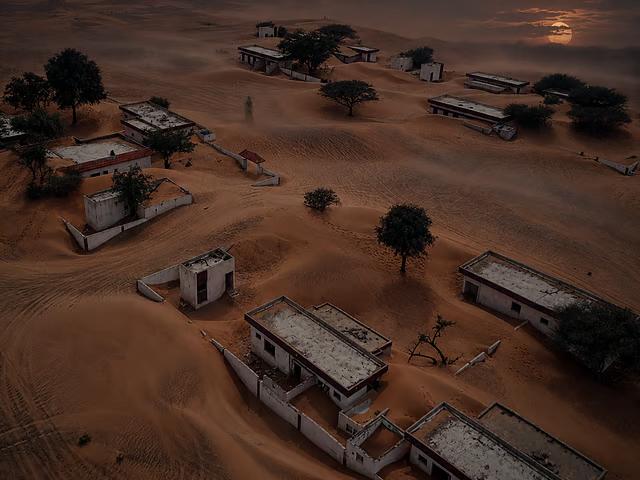
Imagine sand slowly finding its way through every opening in your home, covering floors and furniture until the desert seems determined to reclaim the entire property. That is the unsettling image associated with Al Madam, an abandoned village in Sharjah.
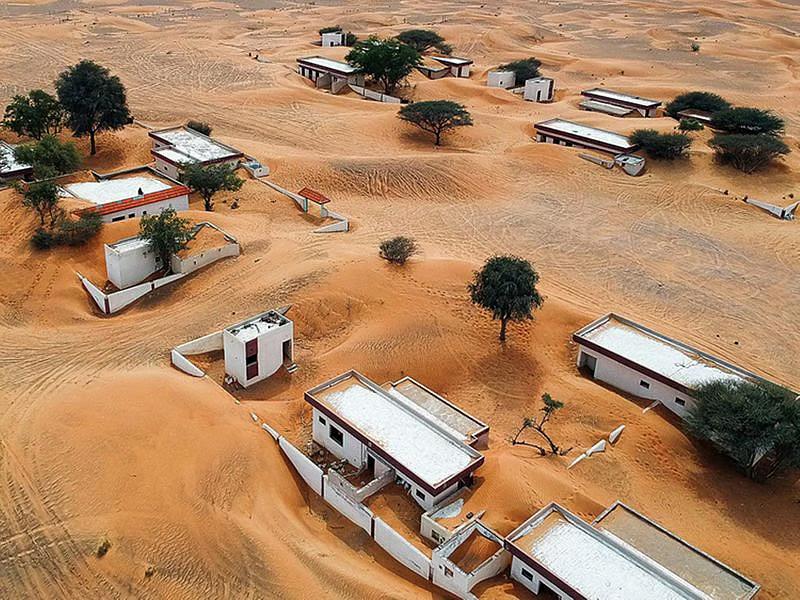
The homes were built shortly after the formation of the UAE to accommodate people who had once led nomadic lives. But over time, the desert began creeping through doors and windows. Despite repeated attempts to clear the sand, it continued to accumulate, gradually swallowing the houses.
Local folklore attributes the residents’ departure to djinn and tales of black magic. Over the years, the abandoned settlement has become a popular backdrop for spooky stories and atmospheric photography.
The deserted community consists of two rows of houses with a mosque at the centre. Its sand-filled rooms and empty streets make for an eerie setting — perfect for anyone seeking a Halloween adventure. Take a seat on a sand dune, listen to the silence and let your imagination run wild.

