

Satellite tracking and aerial surveillance play a key role in monitoring tankers and safeguarding coastal areas.

Dubai: The UAE is maintaining a coordinated maritime and environmental response following an oil spill in its territorial waters, with specialist teams closely monitoring the tanker GEM NO. 2, tracking the movement of the oil slick and conducting clean-up operations along affected coastlines.
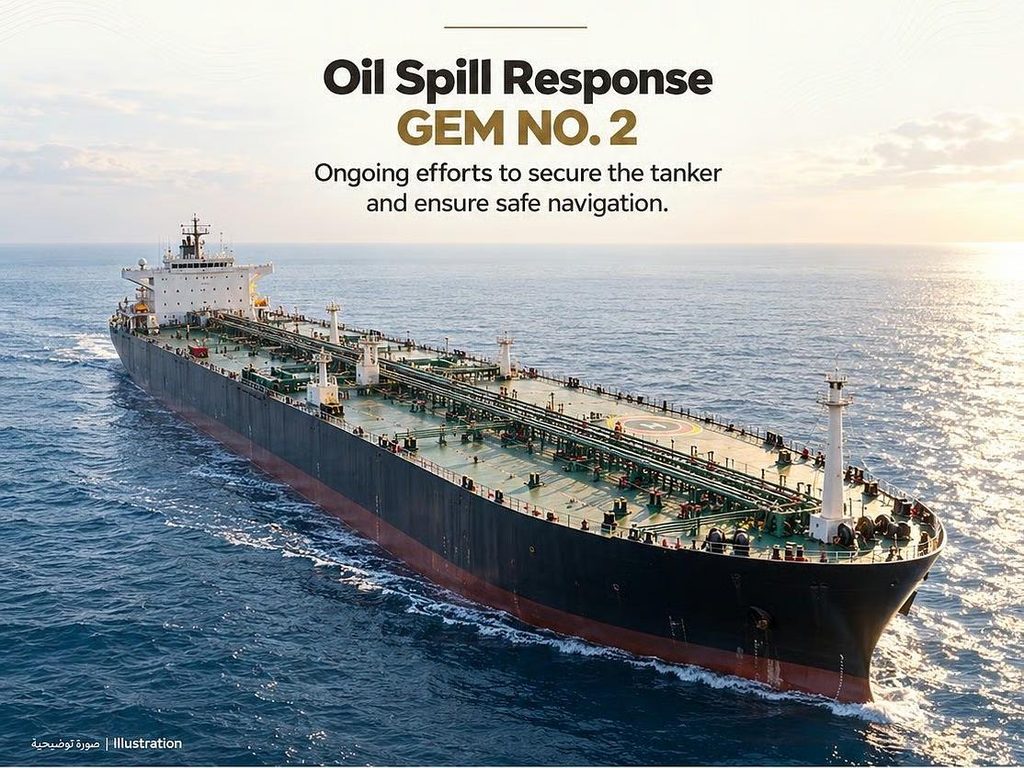
The Ministry of Energy and Infrastructure (MoEI) has released illustrative images showing how authorities are monitoring the vessel, evaluating its condition and coordinating measures to safeguard maritime safety.
According to the ministry’s latest update, field inspections have found no fresh oil leaks from the tanker. Nevertheless, monitoring operations by sea and air are continuing, with satellite imagery being used to track changes and assess the situation.
The Ministry of Climate Change and Environment (MOCCAE) has also confirmed that the source of the spill has been brought under control. Containment measures, environmental assessments and coastal clean-up operations are continuing.
Here is a closer look at how UAE authorities are monitoring the tanker and limiting the environmental impact of the incident.
How is the UAE monitoring tanker GEM NO. 2?
Authorities are deploying a combination of maritime surveillance, aerial monitoring and satellite technology to keep track of the vessel, assess its condition and identify any developments that could threaten maritime safety or the surrounding marine environment.
The operation involves several monitoring methods:
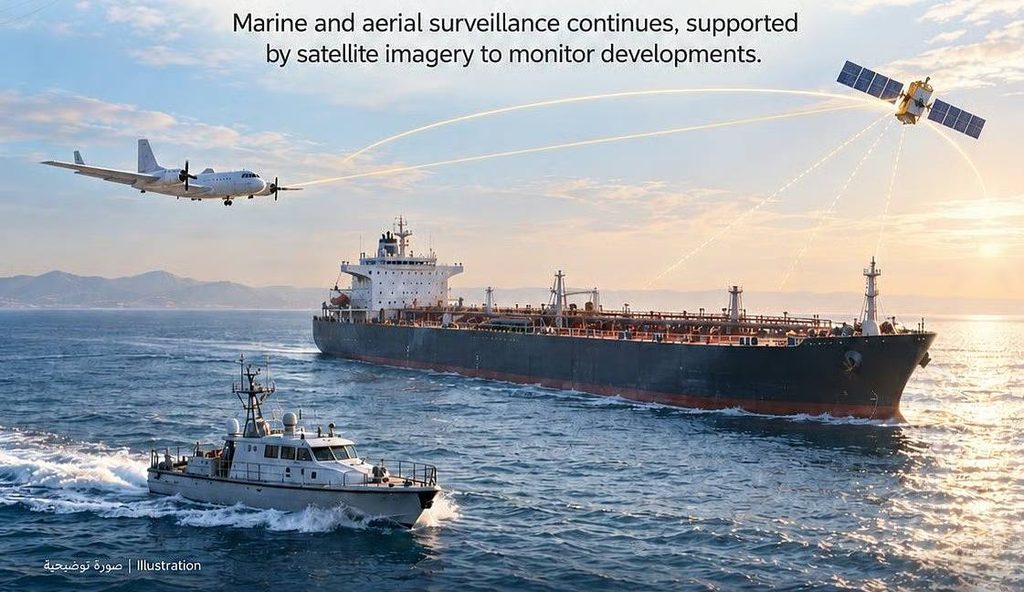
- Marine surveillance: Specialist teams are keeping watch over the tanker and surrounding waters to detect changes, assess sea conditions and identify potential risks.
- Aerial surveillance: Aircraft provide an overview of the vessel and nearby areas, allowing authorities to monitor developments and assess the situation from above.
- Satellite imagery: Satellite observations help track the oil slick, monitor its movement and identify changes in the extent of marine pollution.
The latest field inspections have found no fresh oil leaks from GEM NO. 2. However, surveillance operations remain ongoing to ensure that any further developments are detected quickly.
What repair work is being carried out on the tanker?
Stabilising the tanker and ensuring it can be handled safely remain key priorities in the ongoing response.
According to the Ministry of Energy and Infrastructure (MoEI), specialised technical teams are continuing repair and recovery operations on the vessel. The work focuses on three main areas:
- Structural integrity assessments: Inspecting the tanker’s structure to determine its condition and establish whether it can be handled safely.
- Restoration of operating systems: Repairing and bringing essential operational systems back into working condition.
- Repairing damaged sections: Addressing affected parts of the vessel to improve its stability and reduce further risks.

The assessments will help technical specialists determine the safest approach to handling the tanker while minimising potential threats to maritime safety and the environment.
Where is the oil slick spreading?
Alongside efforts to secure the tanker, environmental teams are monitoring the extent of the oil pollution in UAE waters and assessing its impact on nearby coastal areas.
Satellite imagery available on October 30 showed the oil slick concentrated off the coast of Umm Al Quwain, with sections extending towards the coastal areas of:
- Umm Al Quwain
- Ras Al Khaimah
- Ajman
- Sharjah
The Ministry of Climate Change and Environment (MOCCAE) reported a significant reduction in the intensity of the observed pollution.
Although the source of the leak has been stopped, monitoring continues to track the remaining oil, assess its movement and evaluate its potential environmental impact.
How is the UAE containing and cleaning up the oil spill?
Specialist environmental teams are deploying a combination of techniques to contain the pollution, recover spilled oil and limit its impact on marine ecosystems and coastal areas.
MOCCAE said the response primarily involves mechanical recovery methods, supported by the use of chemical dispersants in accordance with international standards and approved technical guidelines.
Mechanical recovery
Mechanical recovery techniques are being used to collect and remove oil from the water. These operations help contain the slick, limit its spread and reduce the amount of oil remaining in the marine environment.
Chemical dispersants
Chemical dispersants are also being deployed as part of the wider clean-up response, following approved technical procedures and international standards. These substances help break down oil slicks into smaller droplets, supporting efforts to manage marine pollution.
Coastal surveys and clean-up operations
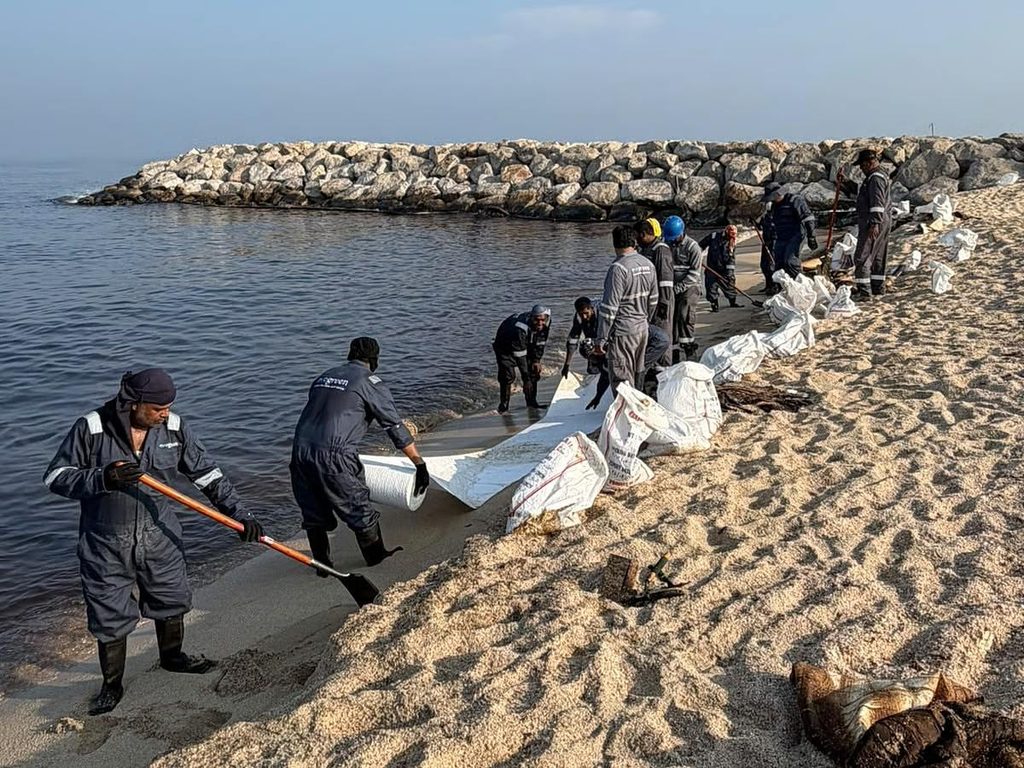
Field teams are inspecting affected shorelines, monitoring pollution levels and carrying out clean-up and environmental remediation work.
These operations are being coordinated with relevant federal and local authorities to contain the pollution, limit its spread and reduce its impact on the marine environment.
Which UAE beaches are closed following the oil spill?
More than 35 beaches and coastal locations across Umm Al Quwain, Ras Al Khaimah and Sharjah have been temporarily closed or placed under access restrictions.
Authorities have clarified that the closures do not necessarily indicate that oil pollution has been detected at every affected location. Instead, the restrictions are precautionary measures intended to protect public safety and the marine environment while inspection and clean-up operations continue.
Umm Al Quwain
All beaches and coastal areas have been temporarily closed as a precaution. These include:
- Umm Al Quwain Open Beach
- UAQ Corniche Beach
- Kite Beach Centre
- The Mangrove Beach
- Al Bahr Beach
- Lumi Beach
- Flamingo Beach Hotel Beach
- Vida Beach Resort Umm Al Quwain
- Umm Al Quwain Beach Hotel
Ras Al Khaimah
All public beaches have been closed until further notice. Affected locations include:
- RAK Public Beach, Saqr Beach and Flamingo Beach
- Al Rams Beach and Al Rams Corniche
- Saraya Island Beach and Mina beaches
- Marjan Island beaches and Al Jazeera Beach
- Al Mairid Beach, Hulailah Beach and Al Hamra Beach
- Khor Khwair Coastal Beach and Khor Al Qantara Beach
- Ghalilah Sea View
Access has also been restricted at several hotels and resorts, including Sofitel Al Hamra, Anantara Mina Al Arab, InterContinental Mina Al Arab, Mövenpick Al Marjan Island, DoubleTree Marjan Island, Rixos Bab Al Bahr, Banan Beach, BM Beach Hotel and Longbeach Campground.
Sharjah
- Al Hamriyah Beach: Temporarily closed as a precaution following the oil spill.
- Dibba Al Hisn Beach: Temporarily closed for maintenance and improvement works. Its closure has not been officially linked to the oil spill.
No reopening dates have been announced for beaches in Umm Al Quwain or Ras Al Khaimah. Residents and visitors are advised to check official announcements before making plans to visit coastal areas.
The list is based on information from official announcements, destination maps and venue updates. It may not cover every affected location, so visitors should confirm access arrangements with individual venues before travelling.
Are Dubai beaches affected by the UAE oil spill?
Dubai’s Jumeirah and Al Mamzar beaches remained open during Gulf News visits on Friday, October 30.
Visitors were seen swimming and spending time along the waterfront at both locations, while lifeguards continued their duties.
The temporary closures announced in Umm Al Quwain, Ras Al Khaimah and Sharjah did not include these two popular Dubai beach destinations.
However, conditions at coastal locations may change as monitoring operations continue. Residents and tourists are advised to check official updates before heading to the beach.
Is drinking water safe following the oil spill?
Etihad Water and Electricity has reassured customers that drinking water supplies remain safe, adding that the additional precautionary measures will not disrupt distribution.
The utility has stepped up monitoring across its water production and distribution networks, with additional checks focusing on three key areas:
- Seawater intake monitoring: Regularly checking water quality at intake points to detect any changes that could affect production.
- Water testing: Conducting additional tests throughout the production and distribution process.
- Quality assurance: Verifying that water continues to meet approved safety and quality standards before entering the distribution network.
The company said the enhanced monitoring measures are designed to reinforce existing safeguards while maintaining uninterrupted water supplies to consumers.
Is fish safe to eat in the UAE?
The Ministry of Climate Change and Environment has reassured consumers that fish and food products available in UAE markets remain safe and suitable for human consumption.
The statement comes amid concerns about whether marine pollution could affect seafood and fishing activities in the region.
The ministry highlighted the country’s food safety and security framework, which includes monitoring and controls to ensure that products sold in local markets comply with the required standards.
The assurance applies to food products available in local markets, while environmental monitoring and assessments of the affected coastal waters continue.
Which authorities are coordinating the response?
The UAE’s response involves several federal and local authorities working together to manage the maritime incident, contain the oil spill and protect public health and the environment.
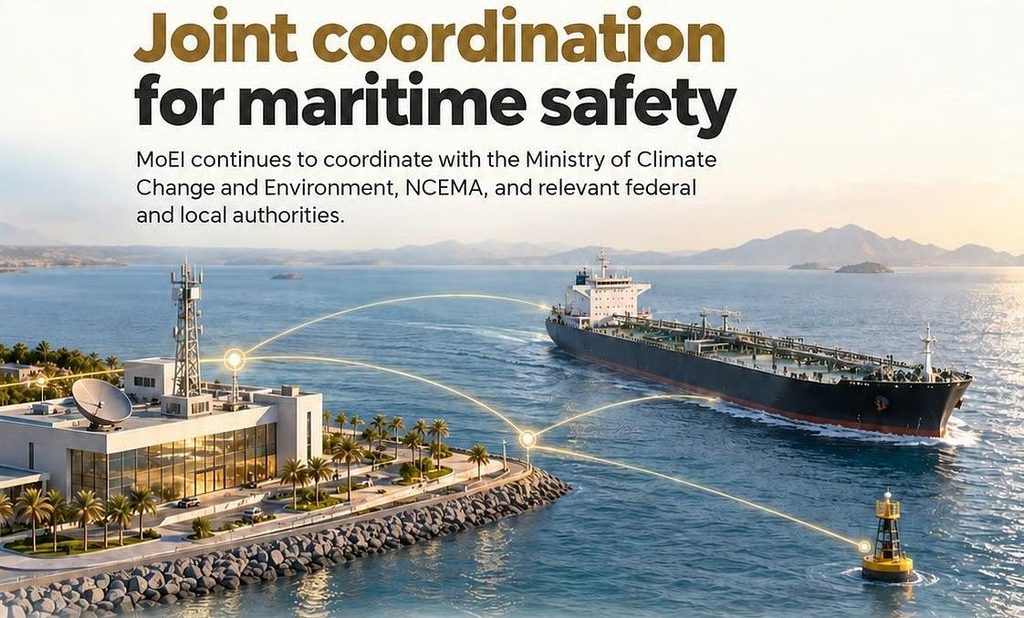
The Ministry of Energy and Infrastructure (MoEI) is coordinating efforts to secure the tanker GEM NO. 2, monitor its condition and safeguard maritime navigation.
The Ministry of Climate Change and Environment (MOCCAE) is overseeing environmental assessments, pollution monitoring and coastal clean-up operations, working alongside relevant local authorities and specialist response teams.
The ministry said it is continuing to coordinate with several government entities and service providers as part of the response:
- Ministry of Climate Change and Environment: Leading marine pollution assessments and overseeing containment and coastal clean-up efforts.
- National Emergency Crisis and Disaster Management Authority (NCEMA): Providing support for national coordination and emergency response.
- Federal and local authorities: Working to ensure maritime safety, monitor environmental conditions and implement precautionary measures.
- Etihad Water and Electricity: Monitoring seawater quality and taking steps to protect drinking water production and distribution.
Authorities have praised the coordinated work of specialised national teams, noting that joint efforts have helped secure the tanker and stop the sources of the oil leak.
What happens next?
The UAE’s response remains focused on two key priorities: maintaining the safety and stability of GEM NO. 2, while containing and cleaning up oil pollution already detected in the surrounding marine environment.
While the source of the spill has been stopped and recent field assessments have found no further leaks from the tanker, environmental surveillance and coastal clean-up operations are continuing.
Authorities are deploying technical resources, marine and aerial surveillance, satellite imagery and on-the-ground assessments to monitor the situation and track any changes.
Residents and visitors are urged to follow official announcements for the latest information on beach access, coastal restrictions and clean-up efforts. Authorities will provide further updates through their official channels as the situation progresses.

