

Travel Guidance as Capacity Expands Amid Concerns Over Renewed Escalation in the Gulf.
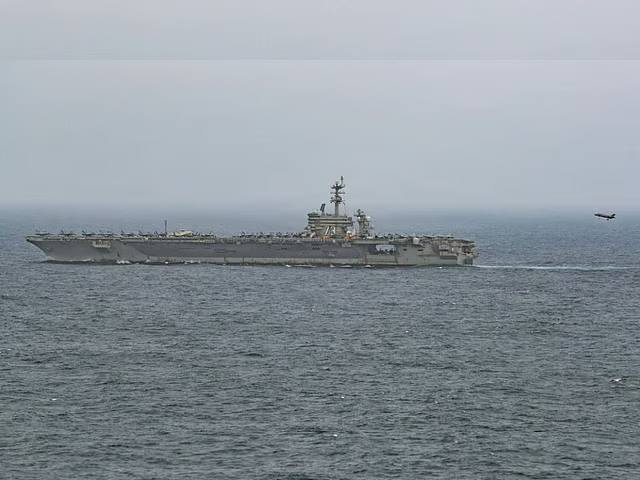
The ongoing conflict involving the United States, Israel and Iran continues to create uncertainty across the Middle East, amid reports of potential new US military operations, persistent disruptions to air travel and growing security concerns throughout the Gulf region.
Saudi Arabia has reportedly intercepted missiles and drones launched by Houthi forces, while diplomatic initiatives involving Iran, Saudi Arabia, Turkey and Pakistan remain underway in efforts to address regional tensions.
Meanwhile, concerns over maritime security are increasing around the strategically important Strait of Hormuz, raising questions about the safety of shipping operations and regional trade routes.
Here is a roundup of the key developments UAE residents should be aware of on October 28, 2026, covering airline operations, regional security alerts and essential travel guidance.
Note: Flight-related information reflects updates available as of Tuesday, October 27.
Security: Concerns Grow Over Possible Renewed Military Action
Reports of potential US military operations against Iran have heightened concerns about another escalation in the Middle East.
American forces could begin significant military operations against Iran within 96 hours of receiving an order from US President Donald Trump. However, no final decision has reportedly been taken, and some officials believe any such directive could come after the November 3 US midterm elections.
The Wall Street Journal has also reported that Washington warned Gulf countries about the possibility of a brief but intense resumption of the conflict following the elections.
The newspaper cited indications that US and Israeli military forces could be preparing another round of major strikes aimed at increasing pressure on Tehran to enter negotiations.
According to the report, diplomatic and military communications have suggested preparations for potentially heavy combat operations, raising concerns about a broader regional escalation.
Meanwhile, US embassies across the region ordered staff departures last week. The US State Department also directed non-emergency personnel to leave Saudi Arabia, effective October 23.
Separately, US Central Command (CENTCOM) rejected claims by an Iranian Revolutionary Guard Corps Navy commander that American forces had withdrawn hundreds of kilometres from the Strait of Hormuz.
CENTCOM maintained that its forces remain active and vigilant in the strategic waterway and surrounding areas. The command also asserted that US forces and regional partners continue to control the international shipping passage, disputing Iran’s claims of dominance.
UAE Flights: Capacity Recovers Despite Continuing Disruptions
Air travel capacity in the UAE is gradually increasing, although several regional routes remain affected by cancellations and operational restrictions.
Between June and October, the number of departing airline seats from the UAE increased by 23 per cent to 7.2 million.
Airlines are expected to restore as many as 36 weekly flights between Dubai and European destinations by December, while services to Athens and Manila are also being reinstated.
Saudi Arabia Flight Disruptions
Several airlines continue to suspend or cancel flights connecting the UAE and other international destinations with Saudi Arabia.
- Etihad Airways: Flights from Abu Dhabi to Riyadh, Dammam and Jeddah remain cancelled through November 5.
- Emirates: Services from Dubai to Riyadh, Dammam and Jeddah are cancelled, while flights between Dubai and Medina continue operating.
- flydubai: Flights to Riyadh, Dammam and Abha remain suspended until October 29.
- Air Arabia: The airline has listed numerous cancellations from Sharjah and Abu Dhabi, affecting destinations in Saudi Arabia, Kuwait, Beirut, Doha and Damascus.
- IndiGo: Services remain suspended through October 31.
- Air India: Flights to Riyadh and Dammam are suspended until November 7.
- Philippine Airlines: Riyadh services remain cancelled until November 29.
- Lufthansa: Flights to Riyadh are suspended until November 18.
Riyadh Airport Operations
According to the US Mission, Riyadh airport partially resumed operations on October 23, although flight availability remains limited.
Some services have also been redirected to Qassim as airlines adjust their operations.
Iran and Israel Flight Restrictions
Flights operated by Iranian airlines remain suspended.
Meanwhile, Emirates-flydubai codeshare services to Tel Aviv are still suspended following the September 30 incident involving flight FZ1073.
Travellers should also be aware that some airline disruptions may result from operational issues unrelated to the regional conflict.
Saudi Arabia Intercepts Houthi Missiles and Drones
Saudi Arabia has reported intercepting and destroying five ballistic missiles launched by Houthi forces towards Riyadh and the country’s eastern region.
On Tuesday, October 27, falling debris from two intercepted missiles reportedly damaged a building, a construction site and a vehicle in Riyadh.
Authorities reported no casualties from those incidents.
Saudi forces also intercepted four drones targeting southern areas of the kingdom.
Separately, the body of an Indian national killed in an attack on Dammam’s King Fahd International Airport was repatriated on October 27.
Regional tensions intensified further after Egypt’s parliament authorised military assistance to Saudi Arabia. A Houthi official described the decision as a declaration of war.
Iran Diplomacy: Regional Powers Continue Negotiations
Despite ongoing military tensions, diplomatic discussions involving several regional countries are continuing.
Representatives of Saudi Arabia, Turkey and Pakistan, described as parties to the Mecca defence pact, held talks in Tehran on Monday.
Iran’s security chief characterised the discussions as highly positive, and the participating countries agreed to continue their dialogue.
Saudi Crown Prince Mohammed bin Salman’s cabinet subsequently reviewed the diplomatic developments.
Iran Sets Conditions for US Talks
Iran has reportedly outlined seven conditions that Washington must meet before negotiations can proceed.
A senior Iranian official suggested that the United States might seek a rapid agreement ahead of its midterm elections before potentially resuming pressure on Tehran.
The official also indicated that Iran could consider reducing a proposed seven-day implementation period to four or five days.
Iran Holds Talks With Russia and Qatar
Iranian President Masoud Pezeshkian met Russian President Vladimir Putin in Moscow, where he argued that regional countries could address their security challenges without US involvement.
Pezeshkian also held discussions with Qatar’s emir.
According to Qatar’s official statement, their meeting covered diplomatic negotiations, the situation in the Strait of Hormuz and regional energy supplies.
Meanwhile, Oman’s foreign minister called for the establishment of a Gulf security framework that includes Iran.
Strait of Hormuz: Shipping Risks Remain Elevated
Maritime security concerns continue to intensify around the Strait of Hormuz, one of the world’s most strategically important energy shipping routes.
Iran’s military claimed that an oil tanker struck mines and caught fire after attempting to travel through a route that Tehran had not authorised.
Iran’s chief of staff also asserted that the country exercises full control over the strait, claiming that the waterway is closed to vessels that do not comply with Iranian requirements.
These claims remain disputed by US Central Command.
Separately, the United Kingdom Maritime Trade Operations (UKMTO) reported a vessel on fire approximately 63 nautical miles southeast of Al-Faw, Iraq.
The cause of the incident had not been established at the time of the report.
Israel Election: Exit Polls Point to Political Uncertainty
Exit polls from Israel’s election indicate that no political bloc has secured a clear parliamentary majority.
The preliminary results suggest that coalition negotiations could continue for several weeks as political parties attempt to form a government.
UK Updates Travel Warning for UAE and Gulf Region
The United Kingdom has issued updated travel advisories covering the UAE and 14 other countries amid concerns about a sudden deterioration in regional security.
British authorities warned that the possibility of rapid escalation remains high.
The revised guidance also reflects the reality of ongoing airspace restrictions and flight cancellations, rather than treating such disruptions solely as potential risks.
Importantly, the warning now explicitly includes British nationals travelling through the region in transit, in addition to those already staying in affected countries.
What UAE Residents and Travellers Should Do
With regional security developments continuing to affect aviation and travel arrangements, UAE residents are advised to remain informed and verify their plans before travelling.
Passengers should confirm their flight status directly with their airline before leaving for the airport, as schedules and cancellations may change at short notice.
Travellers should also monitor airline notifications for information about alternative bookings, refunds and schedule adjustments.
For security-related announcements, residents should rely on official UAE government authorities and verified communication channels rather than unconfirmed reports circulating online.
Flight information reflects updates reported on Tuesday, October 27, 2026. Security and diplomatic developments are presented as reported claims and may change as new information becomes available.

