

Domestic Medicine Production and Strategic Partnerships Could Reduce Dependence on Imports.
Abu Dhabi is advancing plans to establish itself as a leading global hub for pharmaceutical manufacturing, with a focus on expanding domestic medicine production, attracting international pharmaceutical companies and increasing exports over the next ten years.
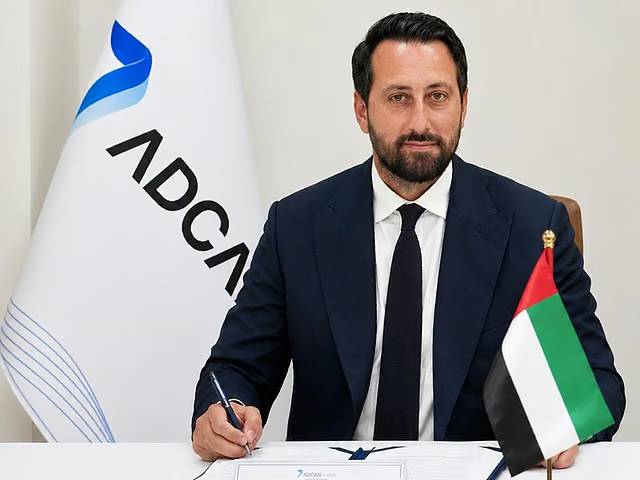
In an interview with Gulf News, Dr Fokion Sinis, CEO of ADCAN Pharma, highlighted the importance of strengthening local pharmaceutical production to improve the UAE’s healthcare resilience and reduce reliance on overseas suppliers.
Sinis explained that the COVID-19 pandemic exposed vulnerabilities in global medicine supply chains, particularly for countries that depend heavily on imported pharmaceutical products.
Disruptions to international transportation and manufacturing during the pandemic demonstrated the need for countries to develop reliable domestic production capabilities to ensure uninterrupted access to essential medicines.
“Local manufacturing has moved to the centre of the UAE’s healthcare strategy,” Sinis said.
UAE Expands Local Production of Cancer Medicines
According to Sinis, ADCAN Pharma operates the UAE’s only pharmaceutical manufacturing facility dedicated to oncology and hormonal medicines, specialising in high-potency oral treatments.
He emphasised that domestic production of cancer medications is particularly important because interruptions or delays in treatment supplies can have serious consequences for patients who depend on timely access to these medicines.
Manufacturing such treatments within the UAE could help improve supply reliability, reduce dependence on international shipments and strengthen the country’s ability to meet critical healthcare needs.
To expand its pharmaceutical manufacturing capabilities, ADCAN Pharma has formed strategic partnerships with several international companies, including ELPEN, Lotus, Pinnacle, Inventia, Genepharma and Alvion.
These collaborations are intended to support pharmaceutical production and strengthen the UAE’s position within the global medicine manufacturing industry.
ADCAN Pharma has also entered into a local manufacturing partnership with M42, initially concentrating on the production of oncology medicines for international export in collaboration with Glenmark.
The initiative reflects Abu Dhabi’s broader ambition to develop a competitive pharmaceutical manufacturing sector capable of serving both domestic healthcare requirements and international markets.
“Self-sufficiency will not come from building everything alone. It comes from bringing global products onshore,” Sinis said, emphasising the importance of international partnerships in strengthening the UAE’s pharmaceutical manufacturing capabilities.
Artificial Intelligence to Transform Pharmaceutical Manufacturing
Dr Fokion Sinis, CEO of ADCAN Pharma, believes artificial intelligence and automation will play an increasingly important role in modernising medicine production and improving manufacturing efficiency.
According to Sinis, AI-powered technologies can help pharmaceutical companies continuously monitor manufacturing equipment, detect potential operational issues before they escalate and strengthen quality control throughout the production process.
These technological advancements could improve manufacturing accuracy, minimise production disruptions and help companies maintain consistent pharmaceutical quality standards.
Sinis also highlighted the potential of the Emirati Genome Programme, which aims to advance healthcare through genetic research and data.
He explained that integrating genetic information with artificial intelligence could support the development of personalised medicines and treatment approaches tailored to individual patients.
Local Production of Advanced Medicines Could Reduce Healthcare Costs
ADCAN Pharma has recently entered into an agreement with MS Pharma to support the domestic manufacturing of biosimilar medicines.
Biosimilars are biological medicines developed to closely match existing approved biological treatments in terms of quality, safety and effectiveness.
Sinis explained that expanding local production of these medicines could help make advanced treatments more affordable while improving access for patients with cancer and chronic medical conditions.
By manufacturing biosimilars within the UAE, pharmaceutical companies could potentially reduce dependence on imported treatments and contribute to more sustainable healthcare spending.
Alongside manufacturing expansion, ADCAN Pharma is also focusing on developing specialised talent within the country.
Sinis highlighted collaborations with international pharmaceutical companies and academic institutions, including Khalifa University and Al Ain University, as opportunities to strengthen research capabilities and provide training for Emirati scientists and engineers.
These partnerships could help build a skilled local workforce capable of supporting the UAE’s growing pharmaceutical and biotechnology industries.
Abu Dhabi Targets Expansion into Global Pharmaceutical Export Markets
Looking towards the next decade, Sinis expects Abu Dhabi’s pharmaceutical industry to move beyond meeting domestic healthcare demand and establish itself as a significant international exporter of medicines.
ADCAN Pharma is currently working towards securing European Union Good Manufacturing Practice (EU-GMP) certification, with the company targeting approval in 2027.
The certification would demonstrate compliance with European pharmaceutical manufacturing quality standards and could help strengthen the company’s access to international markets.
Combined with growing investment in advanced manufacturing, artificial intelligence and global partnerships, these developments are expected to support Abu Dhabi’s ambition to become a competitive international centre for pharmaceutical production and exports.
Obtaining the certification would strengthen ADCAN Pharma’s ability to expand its international presence and access new pharmaceutical markets.
Dr Fokion Sinis, CEO of ADCAN Pharma, emphasised that the continued growth of Abu Dhabi’s pharmaceutical industry would require streamlined medicine registration processes, greater support for domestically manufactured pharmaceutical products and sustained investment in advanced manufacturing facilities.
He also highlighted the economic and healthcare benefits of expanding local medicine production, noting that a stronger pharmaceutical industry could generate specialised employment opportunities for Emirati professionals while ensuring more reliable access to essential treatments.
According to Sinis, developing a competitive domestic pharmaceutical sector would also support the UAE’s broader economic diversification efforts by increasing high-value exports beyond the oil industry.
“For the economy, a strong pharmaceutical sector adds high-value, non-oil exports and makes the healthcare system more resilient,” he said.
The expansion of pharmaceutical manufacturing is therefore expected to contribute to Abu Dhabi’s long-term ambitions of strengthening healthcare security, attracting international investment and establishing the emirate as a leading global centre for medicine production.

