

Residents Reminisce About the Old Corniche as the City’s Lifeline, Connecting Neighbourhoods and Communities.
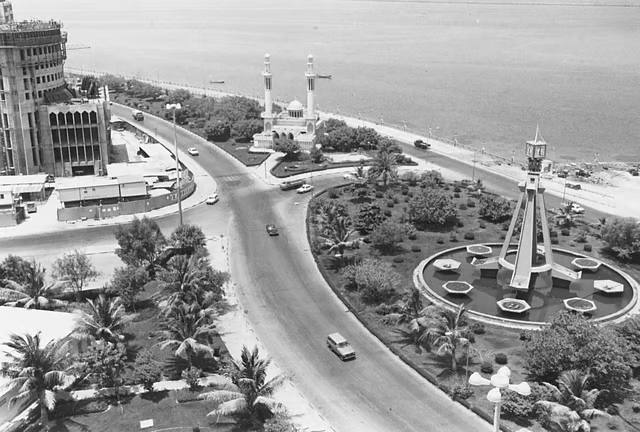
Abu Dhabi’s Corniche holds a special place in the hearts of its residents, with each generation remembering it in a different way.
During the 1980s and 1990s, it served as a peaceful retreat for those seeking a few moments of solitude, a popular gathering spot for family picnics and an open space where young karate enthusiasts practised their skills.
For some, the Corniche represented tranquillity, while for others, it was a lively destination filled with cherished moments and familiar sounds.
Over the decades, the waterfront has undergone remarkable changes. Before the 1970s, the area was largely an open shoreline where traditional dhows and ships anchored to transport passengers and unload goods.
As Abu Dhabi expanded, land reclamation projects gradually transformed the coastline into the developed promenade seen today. With every phase of the city’s growth, the Corniche acquired a new appearance while preserving its place in the memories of longtime residents.
These stories come alive through the recollections of people who witnessed the city’s transformation firsthand. Conversations often begin with a quiet attempt to remember the past before turning into vivid accounts of childhood adventures, family gatherings and everyday experiences along the waterfront.
Although many residents no longer possess photographs from those years, their memories offer a glimpse into the Corniche’s history.
‘Vendors Used to Sell Peanuts at Traffic Signals’
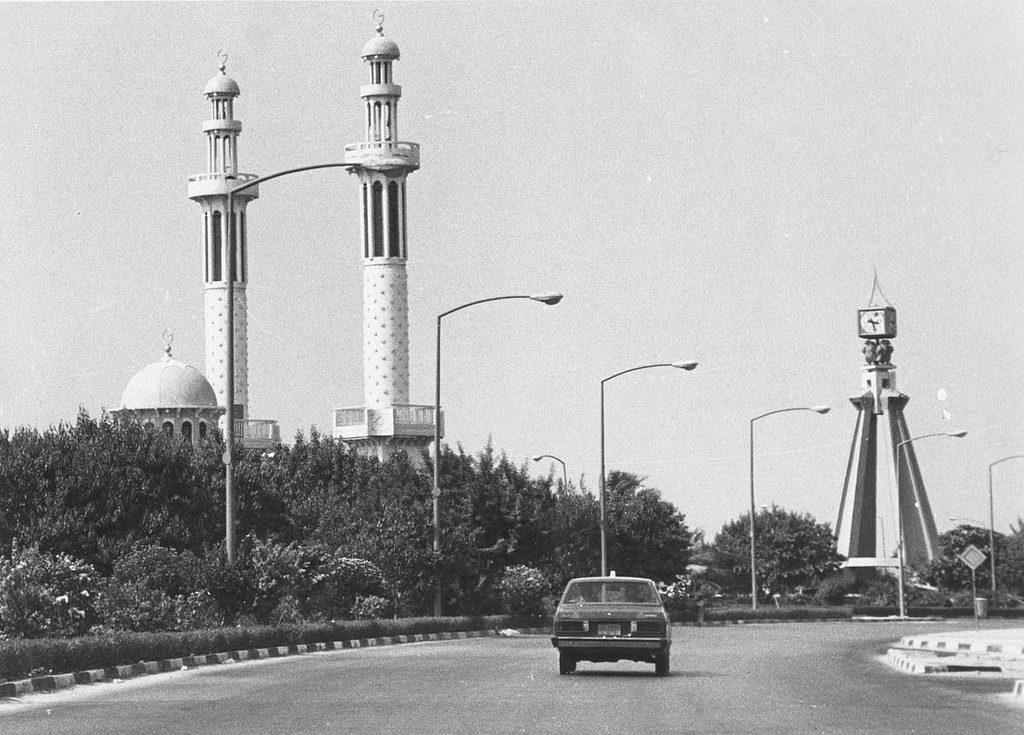
In the late 1980s, Abu Dhabi’s Corniche was a relatively simple coastal road that was gradually developing into a public promenade.
The city’s skyline was noticeably different from what it is today. During the preceding decade, most buildings stood between five and seven storeys tall, while landmarks such as the Sheraton, Hilton and Al Ain Palace Hotel were among the most prominent structures overlooking the waterfront.
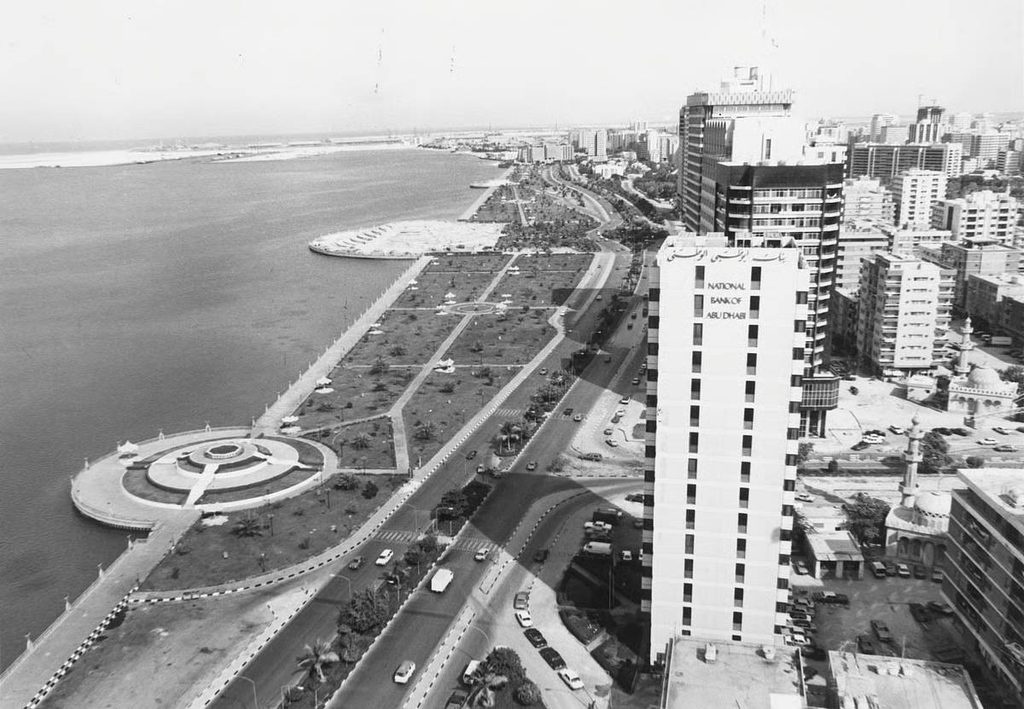
A distinctive glass-fronted tower, constructed in the late 1970s and considered the first of its kind in Abu Dhabi, reflected the evening sunlight across the Arabian Gulf.
National Day celebrations brought a festive atmosphere to the waterfront, with residents gathering in traditional attire to enjoy cultural performances accompanied by drums and flutes.
This was the Abu Dhabi that welcomed Benazir Anis when she arrived from the United States in 1989.
Reflecting on more than three decades in the capital, Anis recalls living in different neighbourhoods as the city continued to develop.
Her family’s first residence was in a building that housed a Dairy Queen outlet on the ground floor, which has since closed. They later relocated to Shining Towers, bringing them closer to the Corniche.
One of her strongest memories is how close the seawater once came to the buildings along the waterfront.
Between 2002 and 2004, additional land reclamation significantly altered the coastline, extending the Corniche farther into the sea.
Today, an eight-lane road and a series of beaches separate the original waterfront from the shoreline, illustrating how dramatically Abu Dhabi’s coastal landscape has changed over time.
Benazir also fondly recalls the lively atmosphere along the waterfront, where pedestrians enjoyed evening strolls and street vendors sold freshly roasted peanuts near traffic signals at affordable prices.
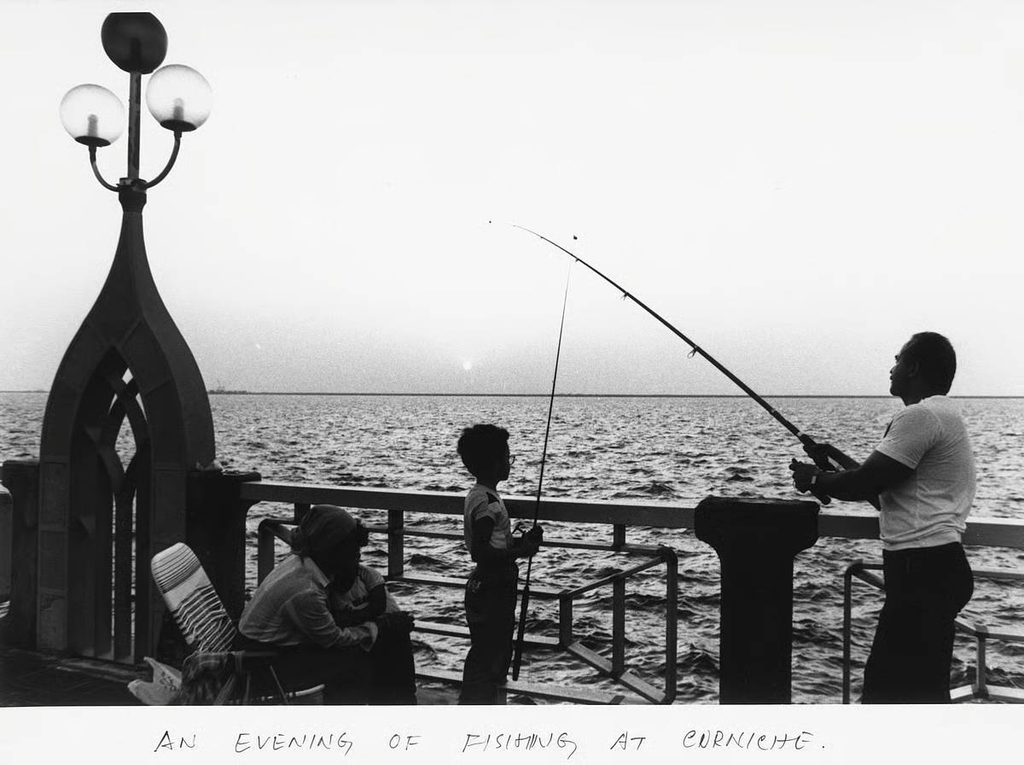
During those years, the Corniche was a favourite destination for fishing, leisurely walks, family picnics and cricket matches. With shopping malls still relatively uncommon, the waterfront served as an important social gathering place for residents.
These experiences remain close to Benazir’s heart, and she hopes to share the same connection with her daughter by regularly taking her to the Corniche.
Memories of Karate, Bird Feeding and the Old Walkways
For Benazir’s brother, Zaheer Anis, the Corniche is closely connected to his childhood and the years he spent growing up in Abu Dhabi.
As he reflects on the past, memories of familiar streets, landmarks and everyday activities gradually return.
His family once lived in a building overlooking the Clock Tower, one of the capital’s oldest and most recognisable landmarks.
Zaheer vividly remembers the red-brick pedestrian pathways and a distinctive three-way walkway leading towards the Corniche. The Clock Tower remains another treasured part of his childhood memories.
Among the landmarks he remembers most fondly is the famous Volcano Fountain, which once served as a popular meeting place for residents.
Located at the junction of Muroor Road and the Corniche, the approximately 80-foot-tall fountain featured a cone-shaped structure resembling a stepped circular pyramid.
After sunset, colourful lights illuminated the cascading water, creating the appearance of flowing lava and making the fountain one of the waterfront’s most memorable attractions.
Families and friends gathered there to enjoy the refreshing sea breeze, climb the fountain’s steps and relax with snacks purchased from nearby kiosks.
Although the Volcano Fountain was demolished in 2004, it continues to hold a special place in the memories of longtime Abu Dhabi residents.
Zaheer also remembers a quieter Corniche, when visitors could feed birds and walk along the waterfront without encountering large crowds.
Small shops and food outlets were scattered along the approximately eight-kilometre stretch, including a modest restaurant near a traditional dhow at the far end.
Many of these establishments have since disappeared, but the Sheraton Hotel remains a familiar landmark. The hotel, which was approaching completion in 1979, was among the popular dining destinations for residents at the time.
One of Zaheer’s strongest memories involves his karate training.
He attended the Oriental Karate & Kobudo Club, which continues to operate today. Even after three decades, his former instructors still remember him as one of the club’s earliest students.
Running along the Corniche formed an important part of his training routine, allowing him to experience the waterfront while Abu Dhabi was undergoing rapid development.
For Zaheer, the Corniche was much more than a recreational destination. It functioned as a central connection between several neighbourhoods, bringing different parts of the growing city together.
A Favourite Destination for Family Barbecues
Pakistani expatriate Samrah Salman arrived in Abu Dhabi in 2008 to reunite with her husband, who had moved to the capital a few months earlier for employment.
After briefly pursuing a job, she decided to focus on raising her family as a stay-at-home mother. Years later, she transformed her passion for beauty into a professional career as a hair and makeup artist.
By the time Samrah arrived, the Corniche had undergone significant redevelopment, featuring landscaped surroundings, improved public spaces and welcoming seating areas.
For her family, it quickly became a favourite destination for casual outings and outdoor barbecues.
She remembers the waterfront as a vibrant community gathering place where families and friends regularly spent time together.
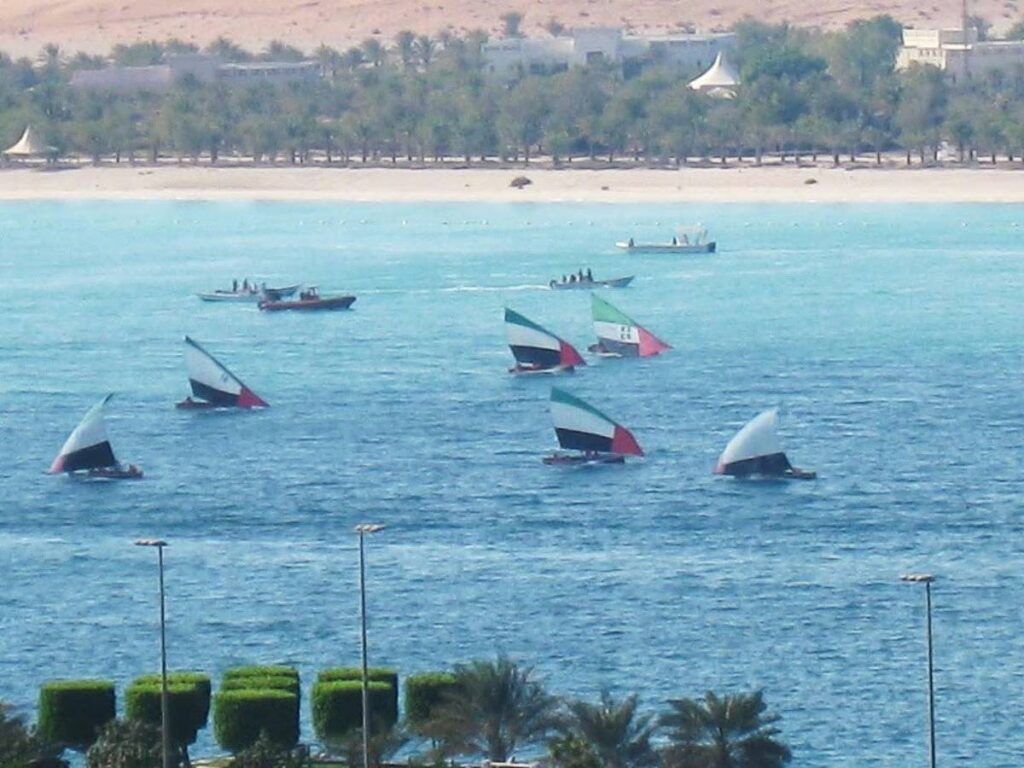
The Corniche also hosted public celebrations and free cultural festivals featuring music and dance performances, creating opportunities for residents to socialise and enjoy entertainment.
With Yas Island still being developed, Samrah and her family often explored Abu Dhabi aboard the city’s distinctive red sightseeing bus.
She recalls a time when the capital felt less crowded, with fewer shopping malls, lighter traffic and a more relaxed atmosphere.
Parking was free, and the waterfront offered beautiful views that made family outings especially enjoyable.
The area also holds personal significance for Samrah because both of her children, now aged 16 and 11, were born at a hospital near the Corniche.
Although Abu Dhabi has expanded considerably since those days, she continues to appreciate the waterfront’s scenic beauty.
For Samrah, the Corniche remains a place filled with family memories, community experiences and reminders of a quieter chapter in the capital’s history.

