

Examining Pedestrian Accessibility Across Abu Dhabi’s Neighbourhoods.
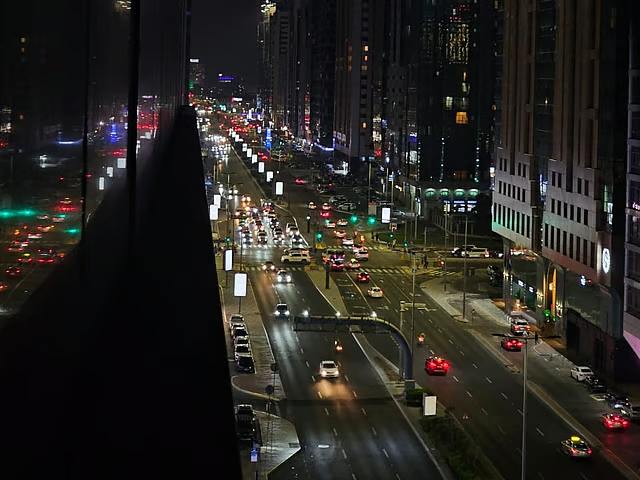
Abu Dhabi: As Abu Dhabi continues working towards creating more liveable, connected and pedestrian-friendly communities, a key question remains: how convenient is it for residents to walk to everyday destinations such as supermarkets, bus stops and healthcare facilities?
For people living in central parts of Abu Dhabi, visiting a nearby grocery store or walking to a public transport stop may appear straightforward. However, the ease of travelling on foot varies considerably across the emirate, depending on factors beyond the physical distance between locations.
UmmuNusla, a homemaker who previously lived in Mushrif and now resides in Al Khalidiya, recalled experiencing transportation difficulties in her former neighbourhood.
She explained that finding taxis was often challenging, although bus services were available frequently.
Pedestrian accessibility can also vary significantly within individual residential communities.
While some buildings offer convenient walking access to shops, parks and essential services, others may be separated from these facilities by heavily trafficked roads or limited pedestrian crossings.
Sushma Tamang, a barista living on Hamdan Street, said several destinations in her neighbourhood are easily accessible on foot.
She explained that she regularly visits nearby shops and parks when she goes out for a walk.
Why Short Distances Can Lead to Longer Walking Routes
Several factors influence whether walking is a practical choice for daily travel or whether residents prefer using cars or taxis even for relatively short journeys.
These include road layouts, pedestrian crossings, traffic conditions and the availability of direct walking routes.
Mohammed Sahad, a sales assistant residing in Madinat Zayed, said public buses are generally his preferred mode of transportation because they are affordable and convenient.
However, he added that walking can sometimes be a suitable alternative, particularly when traffic congestion affects road travel.
For residents who rely on public transportation, the accessibility of bus stops plays an important role in determining the convenience of their daily commute.
Even when a neighbourhood is well connected through bus services, reaching the nearest stop may be difficult if pedestrians must follow lengthy routes or navigate busy intersections.
Tamang said she frequently uses buses to travel around Abu Dhabi because they provide a convenient transportation option.
Although the nearest bus stop is sometimes a considerable distance from her residence, she explained that the walk remains manageable.
Across Abu Dhabi, where residential neighbourhoods are connected by major roads and expanding urban developments, these everyday experiences highlight the importance of pedestrian infrastructure in linking communities with essential services.
Walkability Involves More Than Just Sidewalks
Creating a pedestrian-friendly environment requires more than simply providing pavements alongside roads.
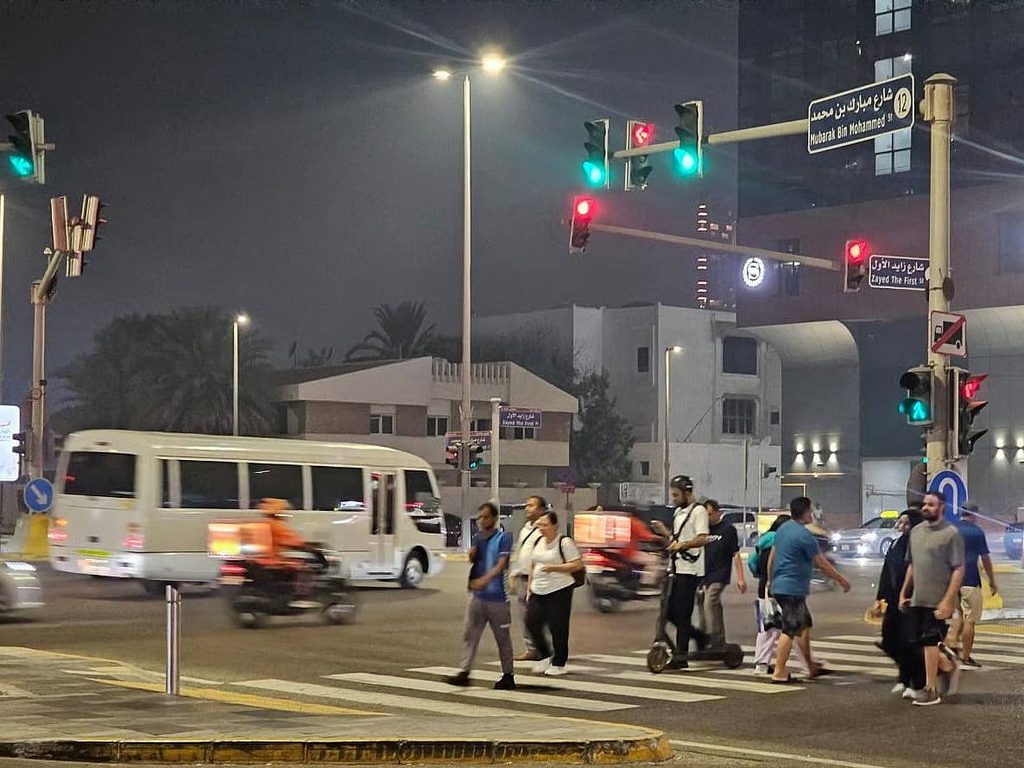
Effective walkability depends on several interconnected features, including continuous footpaths, clearly designated crossings, accessible walking surfaces, pedestrian underpasses and convenient connections to public transport networks.
Abu Dhabi’s urban planning guidelines acknowledge the importance of these elements in developing safer and more accessible communities.
The emirate’s planning framework places emphasis on pedestrian comfort, well-marked crossings, shaded walking areas, underground pedestrian passages and accessible pathways.
It also highlights the need to establish smooth connections between public spaces, residential areas and transportation facilities.
Together, these measures are intended to make walking a safer, more comfortable and practical option for residents travelling within their neighbourhoods.
Sushma Tamang highlighted the need for further improvements to pedestrian facilities in Abu Dhabi, particularly in residential communities.
She suggested that introducing more pedestrian-friendly pathways, shaded walking routes and bus stops located closer to residential buildings would make everyday travel more convenient.
Abu Dhabi’s guidelines for pedestrian and cycling infrastructure also emphasise the importance of creating direct, secure and comfortable routes that accommodate people with different mobility requirements.
As part of its efforts to improve outdoor accessibility, Abu Dhabi City Municipality announced an initiative in June 2026 to plant 5,000 trees along pedestrian pathways and corridors across Abu Dhabi Island and mainland areas.
The project follows the successful planting of more than 2,000 trees during 2025.
The initiative aims to increase green coverage and provide additional shade along routes used for walking, cycling and jogging.
By improving the comfort of outdoor spaces, the project demonstrates the growing importance of pedestrian infrastructure in Abu Dhabi’s urban development plans.
How Walking Experiences Differ Among Abu Dhabi Residents
The convenience of walking to public transport stops and other nearby destinations can vary depending on individual circumstances and environmental conditions.
Factors such as the time of day, availability of shaded pathways, road traffic and access to safe pedestrian crossings can significantly influence the walking experience.
Mohammed Sahad, a resident of Madinat Zayed, explained that the shortage of shaded areas becomes particularly challenging during the summer months.
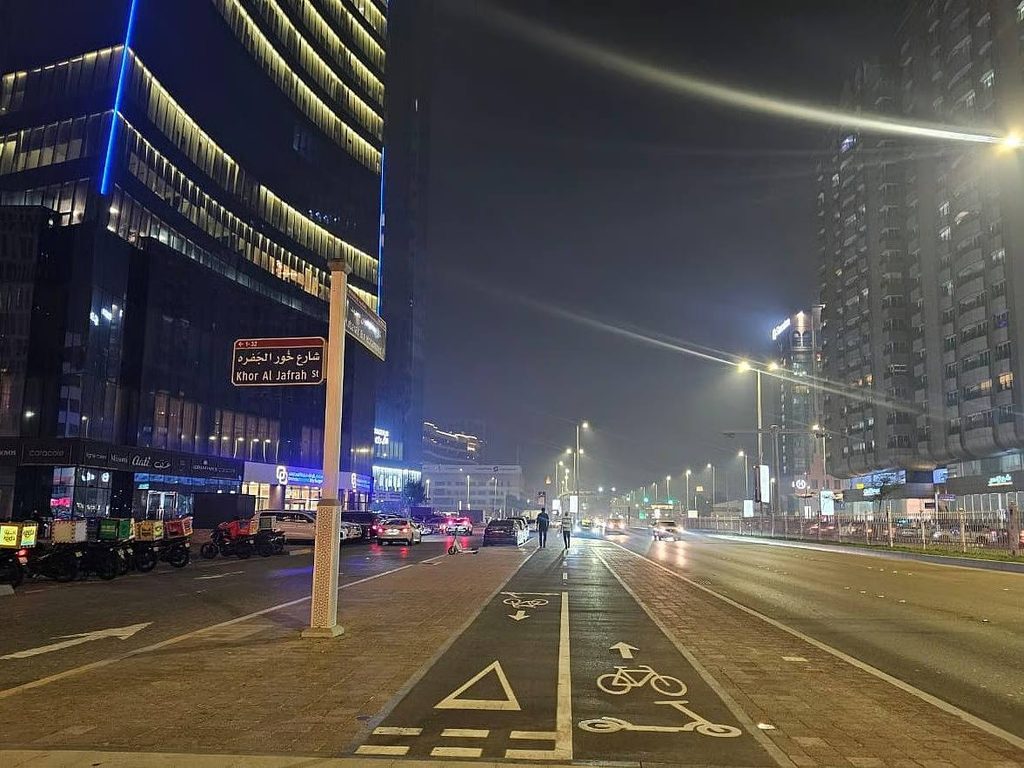
He noted that high temperatures and limited shade can make walking and other outdoor activities uncomfortable.
Recognising these challenges, Abu Dhabi continues to prioritise the development of better-connected, accessible and comfortable residential communities.
In August 2026, the Department of Municipalities and Transport introduced its Livability by Design Framework, targeting major urban developments designed to accommodate more than 2,000 residents.
The framework identifies several important planning priorities, including pedestrian-friendly neighbourhoods, integrated transportation networks, universal accessibility and high-quality public spaces.
These measures are intended to ensure that future developments offer convenient mobility options and improved living environments for people of different ages and abilities.
In September 2026, the department also introduced the second phase of Abu Dhabi’s Liveability Strategy.
This phase places greater emphasis on the operational effectiveness of community facilities and how their quality, accessibility and functionality influence residents’ everyday experiences.
The strategy reflects the emirate’s broader objective of creating neighbourhoods that are not only well equipped with essential services but also convenient and comfortable for the people who use them.
Why the Last Part of a Walking Journey Matters
Having supermarkets, healthcare centres, parks and public transport facilities located close to residential buildings does not always guarantee that residents can reach them conveniently on foot.
Busy roads, indirect pedestrian routes, insufficient crossings and limited shaded walkways can turn a seemingly short journey into a longer or more difficult experience.
Evaluating pedestrian accessibility therefore requires more than measuring distances between destinations on a map.
It also involves examining the actual routes residents must follow, the safety of road crossings and the overall comfort of the walking environment.
Ultimately, a truly walkable neighbourhood is defined not only by how close essential facilities are, but also by how safely, comfortably and conveniently residents can reach them.
Improving these everyday connections will remain an important part of Abu Dhabi’s efforts to create healthier, more accessible and better-connected communities.

