

Director-General says schools should help students develop sound judgement around technology rather than simply shield them from it.
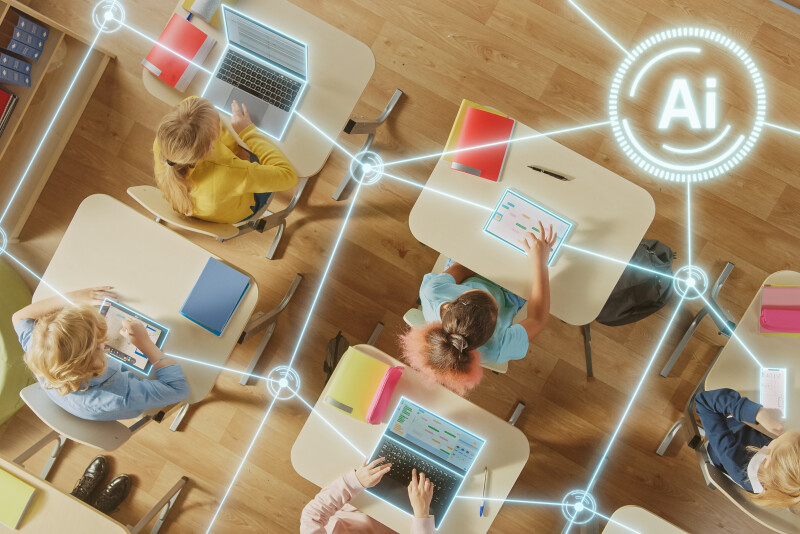
Dubai’s education authority is developing a policy framework to guide schools on the use of artificial intelligence and technology in classrooms, with an emphasis on ensuring digital tools meaningfully improve student learning rather than simply increasing their presence in education.
Aisha Miran, Director-General of the Knowledge and Human Development Authority (KHDA), said on Thursday that the authority is closely examining international developments as education systems around the world reassess their dependence on digital devices, with some returning to more traditional learning methods such as pen and paper.
Speaking during a KHDA Media Majlis, Miran said one of the authority’s major ongoing projects is the development of an enabling policy for Dubai’s education system.
She said KHDA has been gathering feedback on the role of technology in education and studying how different countries and education systems are responding to evolving concerns around its use in classrooms.
Miran said KHDA has received significant feedback and numerous queries about the role of technology in education. The authority is also closely following developments in other countries, including education systems that are reducing their reliance on devices such as iPads and returning to traditional methods such as pen-and-paper learning.
The aim, she explained, is to develop a policy framework that helps Dubai schools determine when technology and AI can genuinely enhance learning, while still giving individual schools an appropriate level of flexibility and responsibility.
Focus on technology that strengthens learning
Rather than adopting a blanket approach to technology in classrooms, Miran said KHDA wants to establish clear principles that schools can follow while allowing them to make decisions based on their individual circumstances.
She said the authority’s priority is to establish a clear direction on the use of AI and technology, particularly around identifying when these tools should be introduced to strengthen student learning.
The debate over technology in schools also extends to mobile phones. Miran said there had previously been calls from some senior officials for KHDA to impose a ban on phones in schools.
The issue prompted extensive internal discussions within the authority. However, Miran said KHDA ultimately favours an approach that gives schools a degree of accountability, responsibility and flexibility in deciding how technology should be managed.
Preparing students for a digital world
Miran said the approach reflects a broader belief that schools should help students develop sound judgement around technology rather than simply shielding them from it.
Students spend only a limited number of hours each day within the boundaries of a school, she noted, before returning to a wider world where digital technology is an integral part of everyday life.
The broader objective, therefore, is to equip students with the judgement and awareness needed to navigate that environment responsibly.
Miran said schools should help young people become responsible members of society who understand how to distinguish between appropriate and inappropriate technology use, including recognising when digital tools should — and should not — be used.

