

UAE expands radiation monitoring to cover workplaces, drinking water and residential areas.
Abu Dhabi: Nearly 27,000 workers whose jobs involve exposure to radiation are covered by a UAE national registry designed to monitor radiation doses and help authorities detect unusual exposure levels.
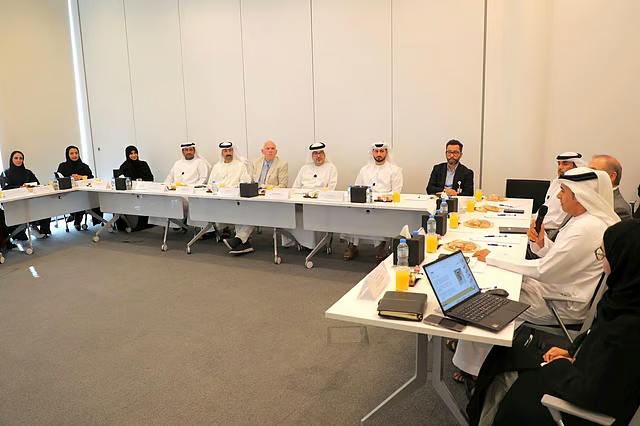
The National Dose Registry (NDR) was among several initiatives discussed during the 48th meeting of the Radiation Protection Committee, chaired by the Federal Authority for Nuclear Regulation (FANR).
The centralised database tracks workers’ exposure to ionising radiation during both routine operations and emergency situations.
Using national unique identifiers, the system consolidates individual dose records, enabling authorities to monitor cumulative radiation exposure, flag abnormal readings and analyse exposure trends across the UAE.
Drinking water under radiological monitoring
The committee also reviewed a 24-month programme aimed at enhancing radiological monitoring of drinking water across the country.
FANR also shared an update on the development of an online platform designed to support radiological monitoring activities.
Work is also progressing on the UAE National Radon Indoor Concentration Survey, which is assessing radon levels inside buildings as part of broader efforts to monitor environmental radiation.
Radon is a naturally occurring radioactive gas that can accumulate in indoor spaces. The national survey aims to provide a clearer picture of indoor concentrations across the country.
Government entities are also working to enhance laboratory capabilities for radioactive analysis, strengthening the UAE’s capacity to carry out coordinated radiation monitoring and assessments.
Monitoring radiation doses in medical imaging
The committee also reviewed efforts to update national reference levels for radiation doses used in medical imaging procedures.
The UAE National Diagnostic Reference Levels project, led by a workgroup chaired by the Department of Health – Abu Dhabi, has completed nationwide data collection covering different types of medical imaging, with information gathered from all seven emirates.
The findings will be used to update national reference levels and help healthcare facilities optimise radiation doses while maintaining the image quality required for diagnosis.
Established in 2011 under FANR, the Radiation Protection Committee brings together 17 federal and local government entities.
The committee coordinates radiation protection efforts across the UAE and advises on policies and regulatory requirements covering occupational exposure, patients and environmental radiation.

