

Fraudulent stores attract buyers with steep discounts, unusual colour options and flexible payment plans.
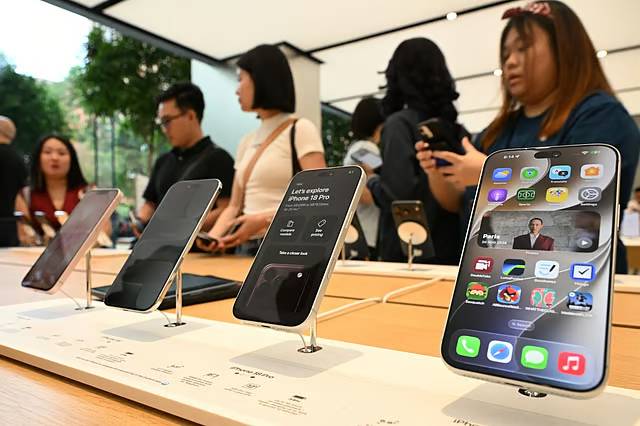
Kaspersky, a global cybersecurity and digital privacy company, has warned that scammers are taking advantage of the excitement surrounding the iPhone 18 by promoting fake deals and setting up fraudulent online stores.
The company’s experts said yesterday that the launch of the new iPhone 18 models has generated significant interest not only among customers and Apple enthusiasts but also among scammers seeking to exploit the heightened demand.
Kaspersky experts have uncovered several fake websites advertising nonexistent iPhone 18 offers in an attempt to deceive users interested in the new devices. These fraudulent sites have appeared in several languages, including English, Arabic and Portuguese.
One of the websites claims to sell the new devices at a 25% discount and displays detailed technical specifications to make the offer appear legitimate. It also lists Bitcoin as one of the available payment methods. The convincing design is intended to gain users’ trust and persuade them to provide personal information and transfer money. In reality, victims risk losing their funds without receiving any device.
Fake website offering purchases with Bitcoin
Another fraudulent website encourages users to pre-order iPhone 18 Pro models in a range of colours, including options that were not officially announced at launch. Users are also allowed to choose their preferred storage capacity.
To make the deal appear more attractive, the website claims buyers do not have to pay the entire amount upfront and can settle the remaining balance later. The supposed seller also promises a full refund if the order is cancelled. However, these offers and refund assurances should not be trusted.
Requesting users’ personal information
In the next stage of the scam, the fraudulent website asks users to provide a range of personal details, including their full name, phone number, email address, city of residence and WhatsApp contact information. Cybercriminals could later exploit these details in social engineering attacks.
Users are then prompted to enter their bank card information. Each step is designed to collect as much sensitive data as possible, putting victims at risk of identity theft, financial fraud and unauthorised withdrawals from their bank accounts.
Olga Altukhova, Senior Web Content Analyst at Kaspersky, said scams linked to major device launches have been appearing for years, with heightened consumer interest creating additional opportunities for cybercriminals to profit.
She advised shoppers to exercise caution and purchase devices only from official or trusted retailers. Deals that appear unusually attractive, along with colours, models or other product options that differ from those officially announced, should be regarded as warning signs of a potential scam.
How to protect yourself?
To help consumers enjoy their new devices without falling victim to cyberthreats, Kaspersky recommends taking the following precautions:
- Buy from trusted sellers: Purchase new devices only from official or reputable retailers to reduce the risk of falling for fraudulent offers.
- Verify websites carefully: Before entering personal or payment information, check the website’s authenticity. Pay close attention to the URL and look for misspellings in the company or organisation’s name.
- Protect payment details: Consider using virtual cards or dedicated payment services for online purchases to avoid directly exposing credit card or bank account information.
- Use reliable security software: Security solutions with phishing and scam-detection features can help identify and block suspicious links and websites. Kaspersky says its Premium product includes AI-powered scam protection, anti-phishing technology, real-time behaviour monitoring, and data leak and identity theft checking tools.
- Enable multi-factor authentication: Turn on two-factor or multi-factor authentication for important accounts and financial apps. Regularly review bank and card statements for suspicious or unauthorised transactions.

