

Schools urge students with flu-like symptoms to stay home until they have been fever-free for at least 24 hours.
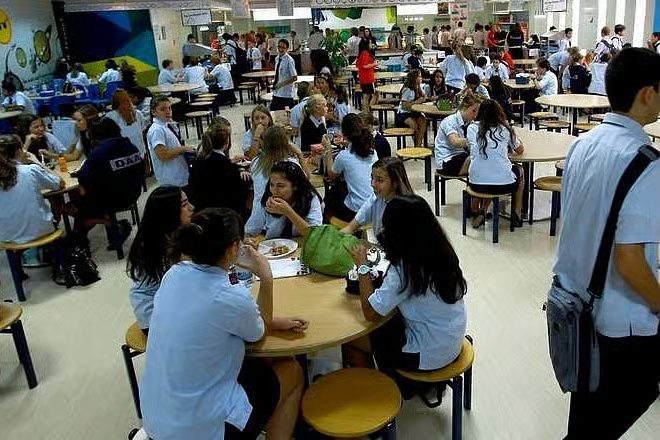
Parents across the UAE are being urged to keep children at home if they develop flu-like symptoms, as some schools report influenza cases across different year groups and remind families of measures to help limit the spread of infection.
Messages sent to parents are asking them to monitor children for symptoms including fever, cough, sore throat, a runny or blocked nose, body aches and fatigue. Some children may also experience vomiting or diarrhoea.
Schools are stressing that students experiencing flu-like symptoms should stay home and avoid contact with others “until they have been free of fever for at least 24 hours without using fever-reducing medication such as paracetamol or ibuprofen”.
The reminders come as doctors across the UAE also highlight the prevalence of respiratory infections among children following the return to school.
UAE doctors: Flu symptoms can last up to 7–10 days
One school circular recently sent to parents said influenza cases had been reported “across different year levels” and urged families to monitor children closely for symptoms.
It also stressed the importance of keeping children with symptoms away from school until they have been fever-free for at least 24 hours without medication.
Dr Bassem Shamseddine, specialist paediatrician at Mubadala Health Dubai, said the return to school often brings an increase in respiratory infections, with an early wave of influenza A infections already being seen this year.
“The main symptoms of influenza include high fever, often accompanied by nasal congestion, followed by cough and sore throat. Children may also experience fatigue, body aches, headache, and decreased appetite.”
The illness can last up to 7–10 days, he said, although coughing and tiredness may persist for longer.
He added: “For children with confirmed or strongly suspected influenza, there is an antiviral medication that can shorten the duration and reduce the severity of the illness, particularly when started early. It is especially important to consider antiviral treatment in children at higher risk of complications, including those with underlying respiratory conditions such as asthma. Parents should discuss this with their pediatrician.”
Why the 24-hour rule matters
For parents wondering when it is safe to send a child back to school, doctors say the fever-free period is an important measure to help prevent further transmission.
Dr Sameh Abdelazim Mohamed, Head of the Pediatric Department and Consultant Paediatrician at NMC Royal Hospital Abu Dhabi, said children can remain infectious even after some symptoms have improved.
“The virus can still spread to classmates through respiratory droplets when the child coughs or sneezes, or through direct contact. With influenza, children can continue to shed the virus for several days after the illness begins, often longer than adults, so returning to school too early puts other children at risk.”
He said protection also starts at home, with a healthy diet and adequate fluid intake supporting children’s overall health.
“The seasonal influenza vaccine should be given every year, as it remains one of the most effective ways to protect our children,” he said.
Dr Jadeer Akkaparambil, Specialist in Internal Medicine at Medcare Shaikh Saqr Al Qasimi Hospital, said vaccination is particularly relevant for groups including “young children, older adults and pregnant women, as well as people with conditions such as asthma, diabetes and heart or lung disease”.
“Additionally, people who work in healthcare or regularly care for vulnerable individuals may also be advised to have the vaccine. Recommendations can differ depending on the country and an individual’s circumstances, so it is always sensible to follow local health guidance and speak to a healthcare professional if unsure.”
Meanwhile, Mohamed urged parents to reinforce basic hygiene habits at home, including regular handwashing and covering the mouth and nose when coughing or sneezing.
“Children need to learn to protect others when they are unwell, and to protect themselves by keeping away from friends who are sick. When one child is ill, keeping them apart from siblings where possible and not sharing towels, cups or utensils helps limit spread within the family. Parents should seek medical advice if the child develops a high fever, difficulty breathing, stops eating or drinking, or appears unusually tired and fatigued.”

