

Oil Prices Surge as Hormuz Talks Break Down and Saudi-Houthi Tensions Escalate.
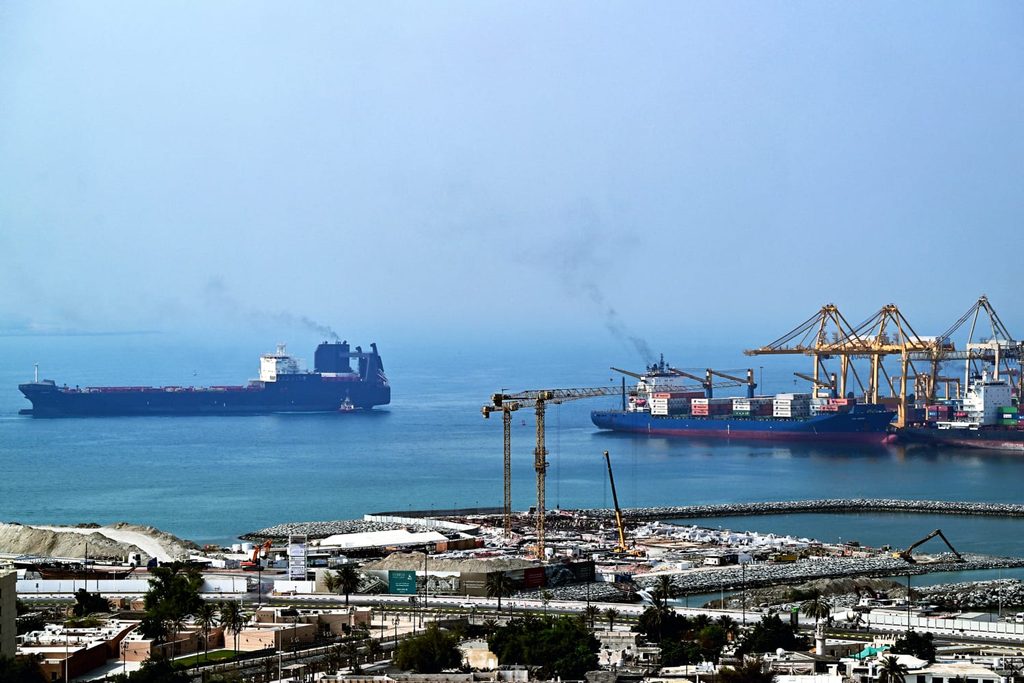
Brent crude traded around $105.70 a barrel early Tuesday (Sept. 15), gaining 1.02% as Gulf Arab states postponed talks with Iran over reopening the Strait of Hormuz, while Saudi Arabia carried out retaliatory strikes against Yemen’s Houthi movement. The developments heightened concerns over a broader regional conflict and the possibility of prolonged disruptions to global oil supplies.
A planned meeting in Oman between Iran and members of the Gulf Cooperation Council (GCC) was expected to discuss a proposal for establishing a temporary passage for commercial vessels through the Strait of Hormuz. The strategic waterway is one of the world’s most important energy routes, accounting for roughly one-fifth of global oil exports before the conflict.
However, the talks were postponed. Oman’s Foreign Minister Sayyid Badr Albusaidi said the decision was taken “in the interests of consensus.”
The postponement highlighted continuing differences among Gulf states over the conditions required to restore navigation through the Strait. The waterway has remained largely closed since US and Israeli military operations against Iran began on February 28, adding further uncertainty to regional shipping and global energy markets.
Oil holds above $100
Brent crude surged to as high as $108.41 a barrel during Monday’s session before easing from its peak. US West Texas Intermediate (WTI) crude also climbed above $102 a barrel by 7:30am Tuesday in Tokyo, as traders continued to price in the risk of further supply disruptions. Murban crude, Abu Dhabi’s benchmark grade, jumped nearly 7% to $127.80 a barrel, gaining about $8.30.
The sharp rise in oil prices came amid mounting threats to the region’s energy-export infrastructure. These included attacks on shipping near the Strait of Hormuz, disruptions to Saudi Arabia’s East-West pipeline, and increased Houthi activity around Bab el-Mandeb — the strategic Red Sea chokepoint connecting the Gulf of Aden with the Suez Canal shipping route.
Together, the developments have heightened concerns over potential disruptions to major global energy corridors and further pressure on international oil supplies.
The Saudi pipeline is a critical part of the kingdom’s oil infrastructure, providing an alternative route for transporting crude from its eastern oil fields to export terminals on the Red Sea, bypassing the Strait of Hormuz.
Any significant damage or prolonged disruption to the pipeline could further limit Saudi Arabia’s oil-export options at a time when shipping through the Strait of Hormuz remains uncertain.
Saudi-Houthi fighting intensifies
The diplomatic setback coincided with a sharp escalation in regional hostilities. The Iran-aligned Houthis said they launched dozens of missiles and drones at the Khamis Mushait air base in southern Saudi Arabia, targeting aircraft hangars, radar installations, runways and ammunition facilities. The group said the attack was carried out in retaliation for Saudi airstrikes in Yemen.
Saudi Arabia subsequently launched strikes against Houthi targets in Yemen, further escalating a conflict that is increasingly threatening security and critical infrastructure on both sides of the Arabian Peninsula.
The Houthis have also strengthened their presence along Yemen’s Red Sea coastline, fueling concerns that Saudi crude shipments diverted away from the Strait of Hormuz could encounter another potential security threat near Bab el-Mandeb, a key gateway for vessels travelling toward the Suez Canal.
Diplomacy loses momentum
The postponement of talks in Oman has left the region without a clear timeline for reaching an agreement on restoring normal shipping through the Strait of Hormuz. Iran has maintained that any arrangement with Oman would not automatically result in the reopening of the waterway, arguing that broader issues — including those surrounding the US naval blockade — would first need to be addressed.
Washington and Tehran also remain at odds over the scope of any future negotiations. US officials have pushed for renewed discussions to focus primarily on Iran’s nuclear programme, while Tehran has linked further talks to the situation in the Strait of Hormuz and the status of the blockade.
The diplomatic impasse has added to uncertainty surrounding one of the world’s most important energy corridors, keeping concerns over global oil supplies firmly in focus.

