

OTH Group maintained steady expansion despite tighter supply chains and weaker consumer demand following the US-Iran conflict.
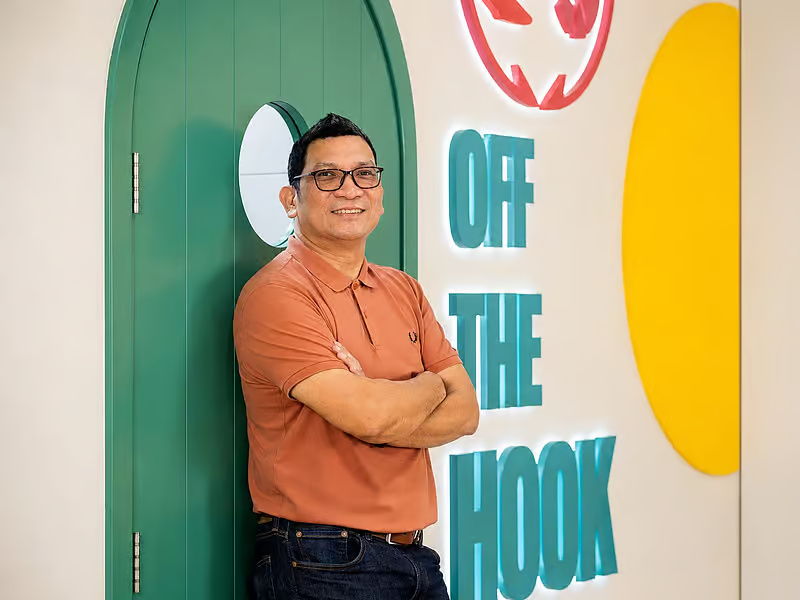
Six months ago, the US-Israel-Iran war erupted, creating uncertainty for businesses across the UAE. For Filipino expatriate Rolly Brucales, the crisis presented a choice: put his expansion plans on hold or continue preparing the business for the future.
For the managing director and co-owner of Dubai-based OTH (Off the Hook) Group, the immediate priority was not opening more restaurants but protecting his employees and maintaining business continuity.
“My first priority was not expansion, it was protecting our people, safeguarding our operations, and ensuring business continuity,” Brucales told.
After reviewing the group’s finances, customer demand and long-term plans, the company decided against putting its expansion programme on hold entirely.
“I have always believed that every crisis presents two choices: retreat or prepare for the future,” he said.
OTH Group opted for what Brucales described as “measured expansion”, moving forward only with projects that made financial sense. The strategy included the launch of a new Japanese restaurant concept.
Keeping ingredients on the menu
The regional conflict created challenges beyond weaker consumer demand. The Strait of Hormuz, one of the world’s key shipping routes, experienced significant disruption during the conflict. The UAE Ministry of Foreign Affairs repeatedly called for the waterway to be reopened, while Dubai restaurant operators reported rising costs and difficulties sourcing certain imported ingredients.
For OTH Group, the situation prompted changes to its sourcing strategy. Instead of relying heavily on a single supplier or country, the group expanded its supplier network, closely monitored inventory and maintained additional stocks of essential ingredients.
“Our goal was simple: our guests should never experience a decline in quality despite global challenges,” he said.
Expansion without rushing
Brucales said every new investment was assessed against various economic scenarios before the group committed to moving forward.
The company also prioritised cash-flow management, tighter control of operating costs and avoiding unnecessary debt.
“Expansion was phased rather than aggressive, allowing each branch to stabilise before moving to the next project,” he said.
The uncertainty also encouraged the group to place greater emphasis on UAE residents rather than relying heavily on tourists.
Brucales said OTH Group strengthened its relationships with local residents, loyal customers and corporate partners, while identifying opportunities to secure better locations and build stronger relationships with landlords and suppliers.
Protecting more than 150 jobs
For Brucales, keeping the business operating also meant protecting the people behind it.
OTH Group continued investing in employee training and development while working to maintain stability for more than 150 staff members.
“During uncertain times, leadership is measured by how well you take care of your people,” he said.
“Maintaining stability for more than 150 employees was not only a business decision, it was a responsibility.”
Reflecting on the experience, Brucales said the crisis had changed how the group approaches future challenges.
“The greatest lesson is that resilience is built before a crisis, not during one,” he said.

