

Gulf shipping, oil markets and everyday life in the UAE remain under watch amid fragile diplomatic pause.
After months of conflict, disruptions to Gulf shipping routes and repeated threats targeting regional energy infrastructure, the Middle East has entered a tense and uncertain diplomatic lull.
Although the United States has not carried out major airstrikes against Iran in recent days, the situation remains unresolved, with risks of renewed escalation still present.
For UAE residents, the latest developments offer cautious hope, but uncertainty continues to linger.
Latest developments and what they mean
Trump pauses strikes but warns military action could resume
US President Donald Trump said Washington is allowing diplomacy a chance to work following what he described as positive contacts with Iran, while warning that military action could be reconsidered if progress fails.
Speaking aboard Air Force One, Trump said there was a “strong possibility” of reaching a deal, but warned that the United States was ready to resume “very powerful military action” if diplomatic efforts fail.
Iran, meanwhile, has maintained that there are “no direct talks” with Washington, stating that any exchanges are taking place indirectly through regional intermediaries.
The pause comes after nearly two weeks of escalating military activity that disrupted Gulf shipping routes and heightened concerns over a broader regional conflict.
UAE’s top priority
While missile attacks have stopped for now, commercial shipping activity in the Gulf has not yet returned to normal.
Traffic through the Strait of Hormuz remains significantly below normal levels, with shipping companies continuing to take a cautious approach amid ongoing uncertainty.
Iran and Oman are working on measures to improve the safety of commercial vessel movements, while wider diplomatic efforts continue over access and navigation rights in the strategically important waterway.
For the UAE, home to one of the world’s busiest maritime trade hubs, restoring regular shipping activity remains a key economic priority.
Oil prices fall as markets respond to diplomatic progress
Energy markets welcomed the pause in hostilities, with oil prices declining as investors grew more optimistic about a potential diplomatic resolution.
Brent crude dropped below US$88 a barrel, giving back much of the risk premium that had accumulated during the conflict.
Market participants are increasingly hopeful that the worst-case outcome — a prolonged shutdown of the Strait of Hormuz — can be avoided if diplomatic efforts continue.
A sustained decline in oil prices could eventually help reduce fuel costs and ease inflation pressures globally, though analysts warn that markets remain sensitive to any fresh escalation or renewed attacks.
UAE continues to call for regional stability
The UAE has reiterated its view that diplomacy remains the most effective route to resolving the conflict and restoring long-term regional stability.
Abu Dhabi has repeatedly denounced attacks on civilian infrastructure, especially drone strikes targeting Saudi energy facilities, while urging all sides to exercise restraint and pursue de-escalation.
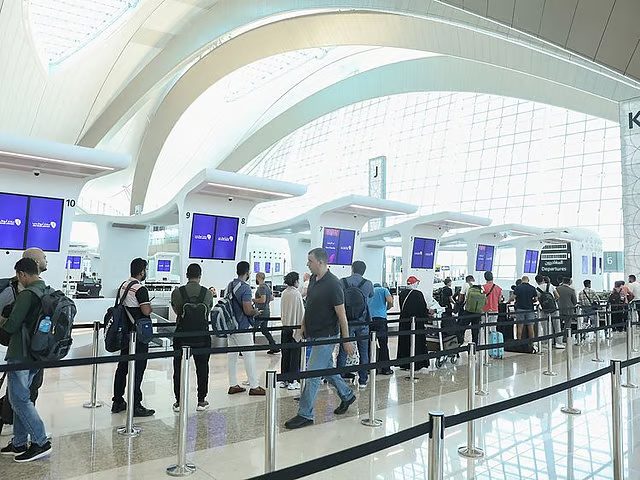
Despite ongoing regional tensions, everyday life in the UAE remains largely unaffected, with airports, ports and businesses continuing to operate with no major disruptions reported.
Air travel remains largely stable
Commercial aviation continues to adapt by adjusting flight paths around areas affected by military activity when necessary.
Airlines operating in the UAE are closely monitoring regional airspace conditions and continue to modify routes when required based on security guidance.
Passengers are encouraged to check their flight status before travelling, although no widespread airport disruptions have been reported so far.
Escalation risk eases
Authorities have not issued any new public safety guidance for residents today.
Security analysts say the immediate threat of a major military escalation has declined compared with earlier this month, but they caution that the situation remains unpredictable and could change quickly.
The main risks that remain include:
The key remaining risks include:
- A breakdown in US-Iran diplomatic efforts
- Renewed strikes against Gulf energy infrastructure
- Further disruptions to shipping through the Strait of Hormuz or Bab el-Mandeb
- New missile or drone attacks by regional proxy groups
What happens next?
Diplomatic efforts are expected to gain momentum this week as regional powers work to sustain the current pause in hostilities.
Mediators including Oman, Qatar, Pakistan and Egypt are seeking to maintain the ceasefire while developing a broader framework addressing maritime security, sanctions and Iran’s nuclear programme.
For now, the Gulf remains in a fragile state of uncertainty: fighting has largely subsided, markets have stabilised, but both Washington and Tehran have left open the possibility of renewed confrontation if negotiations break down.

