

Unlike conventional yoghurt and laban, kefir is traditionally fermented with a blend of beneficial bacteria and yeasts.
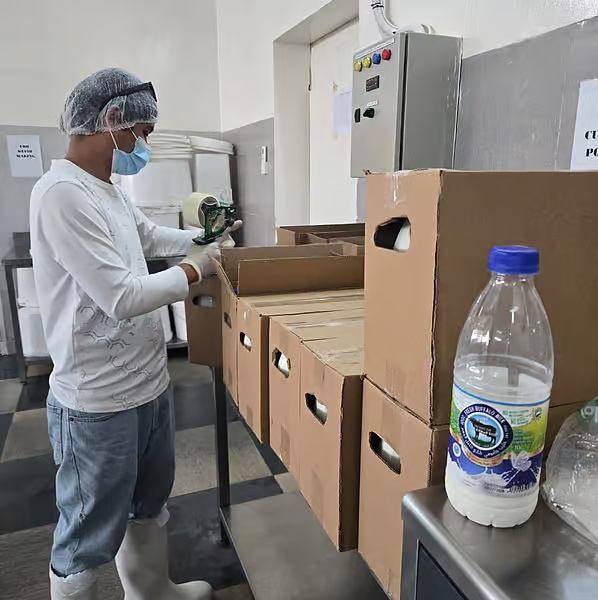
When Sultan Al Suwaidi first discovered kefir, a fermented beverage, during his time as a military attaché in Italy nearly 20 years ago, he had no plans to enter the dairy industry. After returning to the UAE, he simply wanted to recreate the drink he had grown fond of and began producing kefir for personal use in 2010 using milk from his own farm.
Following the completion of his diplomatic career as the UAE’s ambassador to Cyprus, Al Suwaidi returned home and developed the project further. He expanded production by establishing a second farm in Al Hiyar, in addition to his original farm in Liwa, to meet growing demand.
Today, the farm produces buffalo and goat milk, kefir, artisan cheeses and free-range eggs — products that Al Suwaidi says were created out of personal passion and belief rather than a focus on commercial returns.
Despite more than a decade of operations, he acknowledges that the venture has yet to generate a profit. Rising animal feed expenses, lower milk production from buffalo compared with cows, and the higher costs associated with maintaining traditional farming practices have continued to put pressure on margins. However, Al Suwaidi says he has never considered giving up on the project.
“I did not start making kefir because it was a trend; I made it because I genuinely enjoyed drinking it,” he said. “I never viewed it as a business venture. In the beginning, it was simply something I produced for myself. Only after production increased did I decide to sell the extra supply.”
At his Free Range Farm in Al Hiyar, buffalo calves are kept in shaded pens alongside their mothers, a key part of the milking process as the animals need to see their young before they begin releasing milk. Nearby, goats and their kids are housed in separate areas. As visitors arrive, the mother goats rush towards the enclosure, calling out loudly as if searching for their young, before returning to the calm daily routine of the farm.
Long-time kefir enthusiasts
Inside the farm, fresh milk undergoes a carefully controlled fermentation process that turns it into kefir — a drink that was once unfamiliar to many UAE residents but is now gaining popularity and appearing more frequently on supermarket shelves alongside laban and yoghurt.
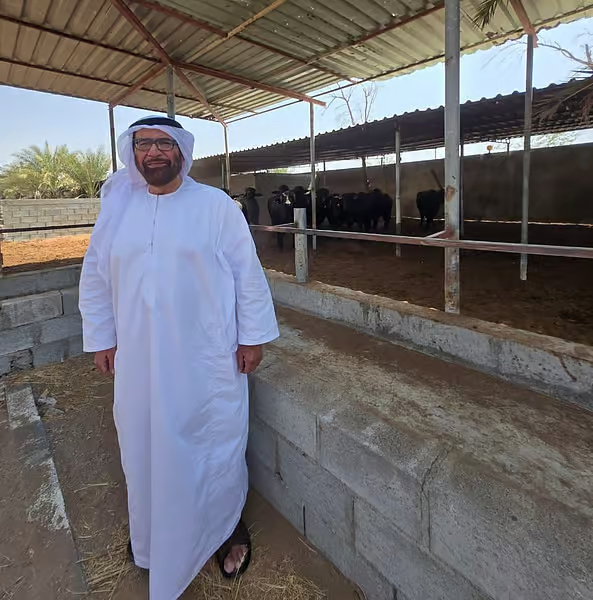
Al Suwaidi’s journey reflects the experience of many long-time kefir consumers in the UAE.
For Serbian expatriate Ognjen Kukic, finding authentic kefir was once a challenge that required patience and resourcefulness. Before locally produced varieties became widely available, he and his wife, Jelena, often prepared their own kefir at home using grains shared through the community.
“It was the only way to enjoy authentic kefir whenever we wanted,” he said. “Today, it is much more convenient — we can simply purchase it from the supermarket.”
Emirati resident Abdullah Al Shamsi, 41, said he started drinking kefir several years ago after becoming interested in its potential benefits for digestion and gut health.
“For years, the only kefir I could find was imported varieties sold at international supermarkets such as Spinneys. Later, I discovered Free Range Products on Muroor Street, which sources kefir directly from the farm in Al Hiyar. Since then, that has been where I buy it,” he said.
Although kefir remains a niche category compared with traditional drinking yoghurt, the market is expanding as more local producers respond to growing consumer demand. Al Ain Farms recently became one of the latest companies to introduce a locally produced kefir range, citing rising interest in functional fermented foods and gut health as key factors behind its entry into the category.
The launch comes as demand for fermented functional foods continues to grow across the region, with the UAE kefir market expected to reach $23.1 million by 2030.
Milana Boskovic, Chief Marketing and R&D Officer at Al Ain Farms Group, said interest in kefir is spreading beyond communities where the drink has traditionally been popular.
“Consumers today are far more aware of what they consume than they were in the past,” she said. “They are paying closer attention to ingredient labels and showing greater interest in gut health and foods that contribute to overall wellbeing.”
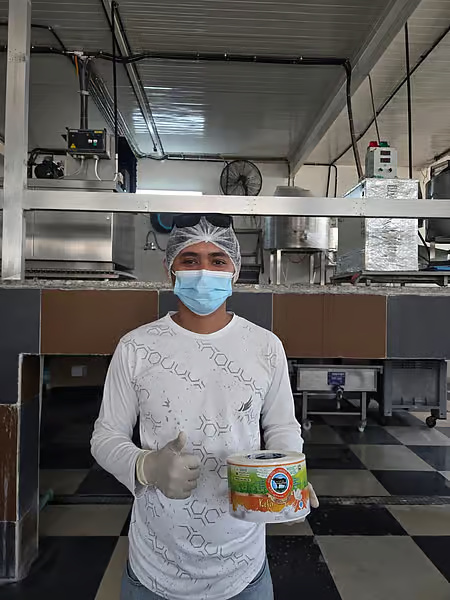
Boskovic said the UAE kefir market is currently valued at nearly Dh50 million and includes around 18 brands, with the category accounting for approximately 8% of the value of the drinkable yoghurt market.
She added that the UAE’s existing familiarity with fermented dairy products such as laban has helped consumers become more open to trying kefir.
“We are seeing growing interest from consumers who have never previously tried kefir but are discovering it through conversations around gut health,” she said. “They are interested not only in the taste but also in the science behind it.”
Archana Baju, Head of Clinical Nutrition and Dietetics at Burjeel Hospital Abu Dhabi, said the rising popularity of kefir reflects a wider shift in consumer attitudes towards nutrition and healthier lifestyle choices.

“People are becoming increasingly aware of the important role the gut microbiome plays in digestion, immunity and overall health,” she said. “Many consumers are also choosing to get probiotics through natural food sources rather than supplements.”
Unlike traditional yoghurt or laban, kefir is made through a fermentation process involving a combination of bacteria and yeasts, resulting in a wider range of probiotic microorganisms. However, the specific composition can differ between products.
While studies indicate that kefir may support digestive health and gut comfort for some individuals, Baju stressed that it should not be considered a miracle remedy.
“Kefir should be viewed as part of a balanced diet rather than a replacement for medical treatment,” she said, noting that overall dietary habits are much more important than relying on any single food.
She also highlighted that although kefir can be a beneficial addition to most diets, individuals with severely weakened immune systems, those undergoing chemotherapy, or people with certain digestive conditions should seek medical advice before regularly consuming probiotic foods.
Today, as locally produced kefir becomes increasingly accessible and interest in fermented foods continues to grow alongside awareness of gut health, the drink Al Suwaidi once struggled to find in the UAE is now reaching a much wider audience.

