

Children under 10 are especially vulnerable as their eyesight is still developing, with early vision changes increasing the risk of serious problems later in life.
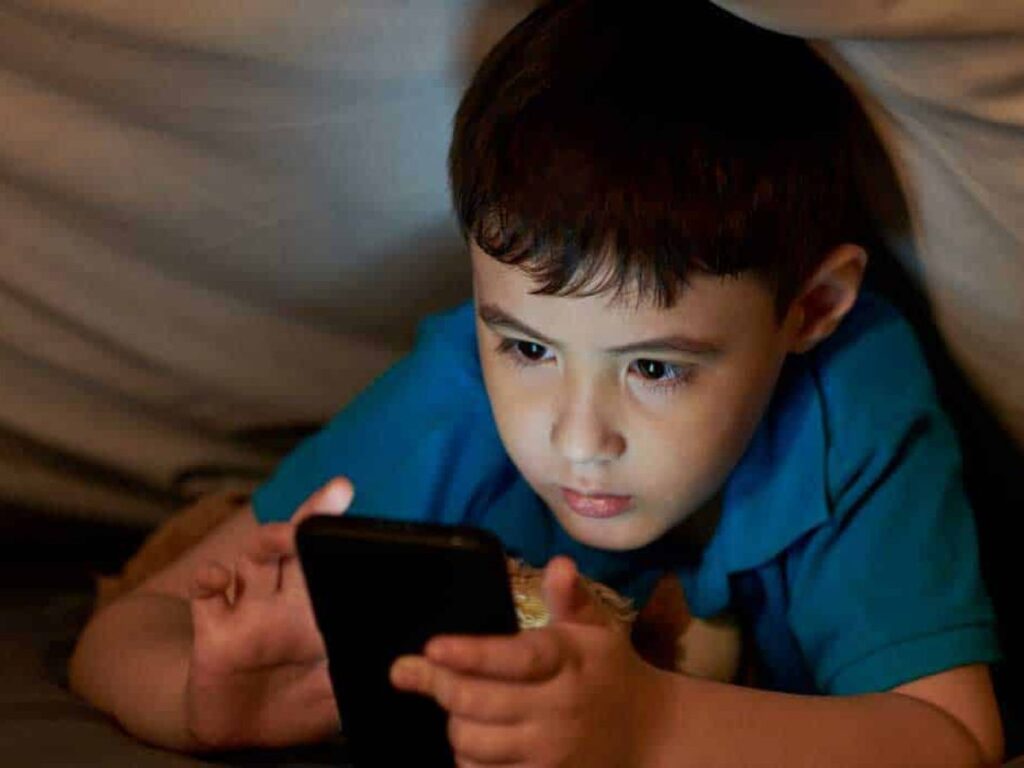
Eye clinics across the UAE are seeing a familiar pattern each year: as children return from the long summer break, more young patients are arriving with complaints of blurred distance vision, headaches and eye strain. Doctors say children who previously developed myopia during late primary school years are now showing signs at a much younger age, raising concerns about the long-term impact on eye health.
The trend comes as screen use becomes increasingly common among younger children. From toddlers watching videos on tablets to school-age children spending hours on smartphones and gaming devices, specialists warn that excessive near-focused activities combined with limited outdoor time may be contributing to the earlier onset of short-sightedness.
The concerns raised by doctors are reflected in global research. A 2024 meta-analysis published in the British Journal of Ophthalmology found that the prevalence of childhood myopia increased from around 24 per cent in the 1990s to 36 per cent between 2020 and 2023. Researchers estimate that by 2050, nearly 740 million children and teenagers worldwide could be affected by the condition.
Outdoor time emerges as a key protective factor
Dr Alaa Khalil Arrat, Specialist Ophthalmology at Burjeel Medical Center, Al Shamkha, said the rise in childhood myopia has moved beyond a routine clinical concern and become a broader public health issue.
While genetics remain an important factor, she explained that they do not fully explain the rapid increase in cases. “What has changed is how children spend their time,” she said.
Research published through late 2024 found that each additional hour of daily screen use is linked to a 21 per cent increase in the likelihood of developing myopia. However, doctors stress that screens are only part of the picture.
“Screens are not acting in isolation. They are displacing something far more protective — time outdoors,” Arrat said. She added that the Covid-19 lockdowns highlighted the connection between reduced outdoor activity and rising myopia rates among children.
The age at which children develop the condition has also shifted. “Almost thirty years ago, myopia typically presented around eight to ten years of age,” Dr Arrat said. “Today, I regularly see children at five or six, sometimes younger.”
She explained that children under 10 are particularly vulnerable because their visual systems are still developing. Earlier onset gives the condition more time to progress, increasing the risk of more severe vision problems later in life.
For families in the UAE, the climate adds another challenge. “With UAE temperatures making outdoor activity difficult for a few months of the year, children are indoors and indoors mean screens,” she said. “Every August, I see a clear uptick in children presenting with blurred distance vision and eye strain.”
Younger children increasingly showing symptoms
Dr Syed Muhammad Saad, Specialist Ophthalmologist at International Modern Hospital Dubai, said myopia is increasingly being detected among younger children rather than only older school students.
“Globally, studies show a clear rise in short-sightedness among children,” he said, pointing to a combination of genetic factors, prolonged near work, increased screen use and reduced outdoor activity.
In his clinical practice, Dr Saad said more children under 10 are reporting symptoms including headaches, eye strain, frequent blinking and difficulty seeing classroom boards. Parents often notice the issue when children start sitting closer to televisions or holding digital devices nearer to their faces.
“The age of presentation has shifted younger in recent years, especially after the pandemic period,” Dr Saad said, linking the trend to increased indoor learning and screen-based habits.
Rather than removing screens completely, he recommended a balanced approach. This includes encouraging one to two hours of outdoor activity daily where possible, reducing passive screen use among toddlers, taking regular visual breaks and arranging routine eye examinations.
Dr Vaibhav Sharma, Specialist Ophthalmology at Aster Clinic, Bur Dubai, also highlighted that myopia is appearing earlier than it did a decade ago.
“The numbers are hard to ignore — myopia is on track to affect half the world’s population by 2050,” he said.
Although screens often receive most of the attention, Dr Sharma said the bigger concern is what children miss while using them. “It’s not the screen itself, it’s what children stop doing when they’re on it — namely, going outside,” he said.
For parents looking to protect their children’s eyesight, Dr Sharma said increasing outdoor time is one of the most effective steps. “The single most effective thing parents can do is get their children outside — ideally two hours a day,” he said, adding that exposure to natural light remains the only intervention consistently shown to help reduce the risk of myopia developing.

