

As the risk premium fades, Brent and WTI remain range-bound, while Murban finds support.
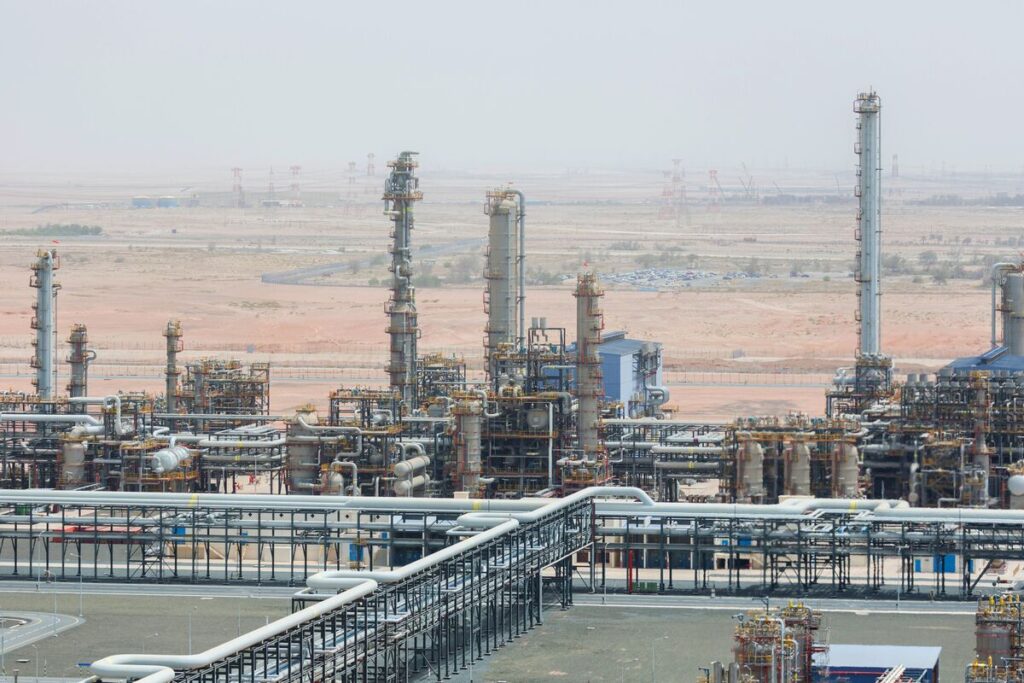
Oil prices were little changed in Asian trading on Monday, with Brent crude hovering below $72 a barrel and US West Texas Intermediate (WTI) staying under $69, as markets weighed easing geopolitical tensions against expectations of steady summer fuel demand.
As of about 11:37 am Monday (July 6) in Tokyo (JST), WTI crude was trading at $68.68 per barrel, down 1 cent (-0.01%), while Brent slipped 15 cents (-0.21%) to $71.97, according to OilPrice.com.
The standout performer was Abu Dhabi’s flagship Murban crude, which rose 1.93% to $66.48, outperforming other major benchmarks.
Meanwhile, natural gas futures declined 0.94% to 3.166.
Middle East fears ease
The subdued price action reflects a market that has largely unwound the geopolitical risk premium that briefly lifted oil prices after last month’s US-Israeli strikes on Iran and renewed concerns over shipping through the Strait of Hormuz.
Although tensions remain elevated across the region, Gulf oil exports have continued without major disruptions, helping ease concerns over an immediate supply shock.
OPEC+ also remains on track with its gradual production strategy, while traders continue to monitor compliance among member countries.
Murban bucks the trend
Murban’s near 2% gain underscores sustained demand for medium-light crude grades that are preferred by Asian refiners.
The benchmark has gained importance since the launch of its futures contract in Abu Dhabi, offering Asian buyers an alternative regional pricing reference.
Analysts say physical demand from refiners preparing for peak summer consumption has supported Murban, even as broader futures markets remain range-bound.
Markets await fresh catalysts
Investors are now watching several key triggers, including:
- Updated US inventory data due later this week
- Signals from OPEC+ on future production increases
- Economic data from China and the United States for insight into oil demand
- Any renewed geopolitical developments in the Middle East that could impact shipping or output
Despite recent volatility, Brent has settled back into the low-$70 range as traders balance steady seasonal demand with ample global supply.

