

From visas and hotels to airport expenses, here’s what drives summer travel costs higher.
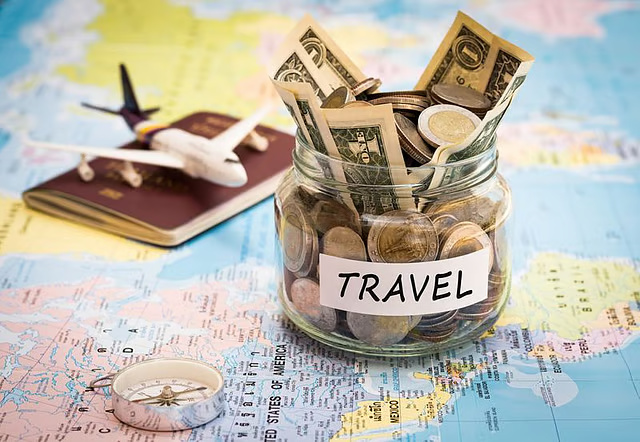
Dubai: You spot return tickets to Europe for Dh3,000 and assume you’ve found a bargain. But by the time visas, hotel stays, travel insurance, airport transfers, meals, attraction tickets, and baggage fees are added, that “budget” summer holiday can easily exceed Dh8,000—even before shopping is included.
It’s a familiar experience for many UAE residents travelling during the school summer break. While airfares tend to get the most attention, they are only one part of the overall holiday budget.
A series of smaller costs—many of them unavoidable—quietly adds up, pushing the final expense significantly higher.
Flights still take the biggest bite
Airfares remain the single largest expense for most travellers, and this summer they have risen significantly.
According to MENA business travel platform Tumodo, average airfares in the region rose by 45.6% in the first half of 2026, increasing from about Dh1,430 in January to Dh2,080 in June, and peaking at nearly Dh2,200 in May.
The rise is attributed to several factors, including a surge in demand during school holidays and higher jet fuel prices linked to the Iran conflict, which increased airline operating costs.
At the same time, the global aviation industry continues to face aircraft delivery delays, engine maintenance issues, and spare-parts shortages, all of which are limiting capacity and keeping fares elevated.
Travel agents also note that many UAE families travel during the two-month summer school break, concentrating demand between mid-July and the end of August.
Willie Walsh, Director General of IATA, said that due to the Middle East conflict, the aviation body expects average jet fuel prices to be about 70% higher year-on-year.
“This will add $100 billion to our collective fuel bill this year. The positive, however, is that demand is holding up, even as airlines raise fares and rates to manage costs. But growth will inevitably be slower—2.1% for the passenger business and 0.7% for cargo,” he said during the IATA AGM last month.
“Our polling suggests that 86% of travellers expect fares to follow oil prices. In line with that, 49% expect to spend more on travel this year than last, while an additional 43% plan to spend the same,” Walsh added.

Hotels are only part of the picture
Accommodation remains one of the largest expenses for UAE travellers, with costs varying significantly depending on destination.
An STR (an industry-standard hotel benchmarking tool) and Travel Economics report forecasts slower travel demand across the region due to safety concerns, higher travel costs, and reduced airline capacity. Meanwhile, Europe and Asia-Pacific are expected to see mixed impacts as travellers shift toward alternative destinations.
In Europe, hotel performance is expected to remain resilient, with RevPAR projected to grow 1.4% in 2026, supported by stronger intra-European travel and demand from the Americas.
Destinations such as Glasgow, Barcelona, and Prague are expected to benefit from stronger leisure demand, while Zürich, Heathrow, and Gatwick may see weaker hotel pricing due to reduced Middle East demand and shifts in airline connectivity.
Meanwhile, Asia-Pacific is forecast to outperform Europe with 4.4% RevPAR (revenue per available room) growth, although destinations reliant on Middle Eastern transit routes—such as Melbourne—may experience softer demand as airlines adjust flight paths.
Overall, the report expects most markets to recover from 2028 onwards, with no long-term structural impact from the Iran conflict on Europe or Asia-Pacific travel demand.
The hidden costs begin before you fly
Visas
Many travellers underestimate how much they spend before even boarding a flight.
Visa fees have increased across several major destinations in recent years. A standard Schengen tourist visa now costs about Dh387, while Japan has raised its single-entry tourist visa fee fivefold.
Travel to the United States has become even more expensive following the introduction of a mandatory Visa Integrity Surcharge, pushing the standard tourist visa application cost to nearly Dh1,600, excluding optional expedited processing fees.
Travel insurance has also risen in cost as providers factor in higher medical expenses, flight disruptions, and regional geopolitical risks.
Airports can be expensive too
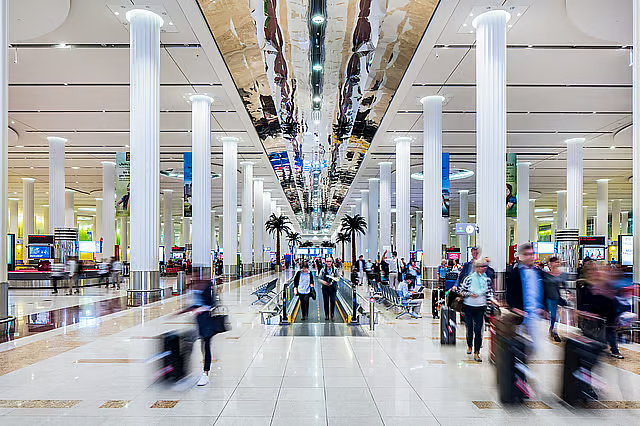
Holiday spending often begins the moment travellers arrive at the airport.
From parking fees and meals to baggage charges, lounge access, and duty-free shopping, airport expenses can quickly add up and increase the overall cost of a trip.
Public transport fares have risen in many destinations due to higher fuel and operating costs, while taxi fares, airport transfers, and tourist taxes have also increased in several cities.
Eating out has become more expensive as restaurants continue to face higher operating and energy costs. At the same time, many travellers underestimate the cost of attractions such as museums, theme parks, guided tours, and skip-the-line passes, which can add hundreds of dirhams to a family holiday.
Will travel become cheaper?
There are signs that airline fuel costs are easing after the recent US-Iran peace agreement helped bring jet fuel prices down from their wartime peak.
However, travellers should not expect immediate fare reductions. Airlines are still facing aircraft shortages, supply chain disruptions, and delivery delays, all of which continue to constrain capacity and keep prices elevated.
For now, industry experts say the best ways to keep a summer holiday within budget include booking flights well in advance, travelling on less busy days of the week, and planning ahead for hidden expenses.
Dubai–UK trip cost (family of four)
| Expense | Summer 2025 | Summer 2026 | Why it’s changed |
|---|---|---|---|
| Return flights | Dh6,800 | Dh9,200 | Airfares up 30–40% due to school holiday demand, fuel costs and limited aircraft availability |
| Hotel (7 nights, 3–4 star) | Dh5,500 | Dh6,000 | Peak summer demand and higher room rates |
| UK local transport | Dh900 | Dh980 | Higher tube and rail fares |
| Food & drinks | Dh2,200 | Dh2,450 | Inflation and higher operating costs |
| Attractions | Dh1,300 | Dh1,450 | Increased ticket prices for museums and tours |
| Travel insurance | Dh500 | Dh650 | Higher medical inflation and geopolitical risk |
| Airport spending (parking, meals, duty free, baggage) | Dh1,000 | Dh1,150 | Higher airport retail and food prices |
Estimated total:
- 2025: Dh18,200
- 2026: Dh21,880
That’s roughly a 20% increase overall.
How to reduce your holiday bill
- Fly mid-week instead of weekends
- Book hotels with breakfast included
- Travel with cabin baggage where possible
- Exchange currency before departure and compare rates
- Book attraction tickets online in advance
- Use public transport instead of taxis where possible
- Compare travel insurance policies instead of buying at the airport
- Consider secondary cities or nearby airports for cheaper fares and stays

