

Lower oil prices are expected to support further fuel price relief, though risks around the Strait of Hormuz could slow the pace of reductions.
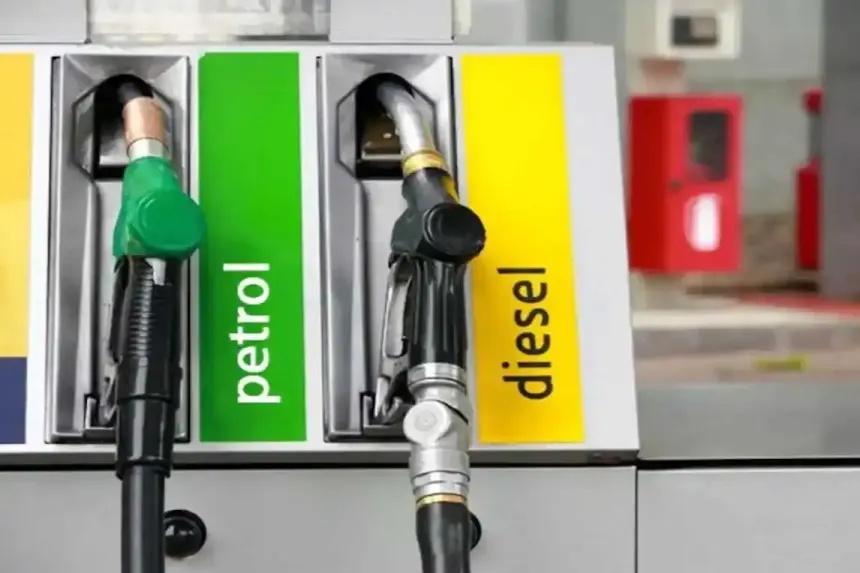
Dubai: UAE motorists are seeing fuel prices ease again after the July cut, reflecting lower global oil prices following months of heightened volatility triggered by the Middle East conflict.
The UAE Fuel Price Committee reduced prices across all fuel grades for July after international crude oil prices fell sharply from earlier highs this year.
From July 1, Super 98 petrol is priced at Dh3.40 per litre, down from Dh3.95 in June. Special 95 dropped to Dh3.29 from Dh3.83, while E-Plus 91 declined to Dh3.21 from Dh3.76. Diesel also fell to Dh3.60 from Dh4.33.
The price reduction follows the UAE’s monthly fuel pricing mechanism introduced in 2015, under which retail fuel prices are revised each month based on average global crude oil and refined fuel costs. As international prices move up or down, local pump prices are adjusted accordingly.
For motorists, the July revision delivers noticeable savings. A 60-litre tank of Super 98 now costs about Dh204, compared with roughly Dh237 in June. For an 80-litre SUV, a full tank now costs around Dh272, down from about Dh316 the previous month.
2025 fuel costs
Despite the July reduction, pump prices remain higher than a year ago, following the sharp rise in global energy prices during the first half of 2026.
July 2026 vs July 2025:
- Super 98: Dh3.40 vs Dh2.70 (+26%)
- Special 95: Dh3.29 vs Dh2.58 (+28%)
- E-Plus 91: Dh3.21 vs Dh2.51 (+28%)
- Diesel: Dh3.60 vs Dh2.63 (+37%)
A driver filling a typical 60-litre sedan with Special 95 now pays about Dh197, compared with roughly Dh155 in July last year.
For an 80-litre SUV using Super 98, a full tank costs around Dh272—about Dh56 more than a year ago.
July prices ease
July’s reduction reflects a sharp shift in global oil market conditions. Brent crude briefly surged above $120 per barrel after disruptions to shipping through the Strait of Hormuz sparked concerns over global energy supply security.
Around 20% of global seaborne oil passes through the waterway, making it one of the most closely monitored chokepoints in energy markets.
Sentiment improved after the United States and Iran agreed to a mid-June ceasefire framework, including a 60-day truce and an agreement to reopen the Strait of Hormuz. The deal significantly reduced the supply-risk premium that had pushed oil prices higher.
As a result, Brent crude ended the second quarter with its steepest quarterly decline since 2020, settling near $73 per barrel by the end of June.
The broader supply outlook has also improved after OPEC+ approved its fourth consecutive production increase since the Hormuz disruption, adding about 188,000 barrels per day for July. This brings cumulative output increases since April to nearly 600,000 barrels per day.
The producer group has also revised its 2026 global oil demand growth forecast to 970,000 barrels per day, reinforcing expectations of a more balanced market. Together, these developments have helped stabilise global oil conditions after several months of heightened disruption.
Global forecasts
The easing in oil prices has led major energy agencies and investment banks to lower their forecasts for the second half of 2026.
The US Energy Information Administration (EIA) expects Brent crude to average around $105 per barrel in June and July, before falling below $80 in the third quarter and easing towards $70 by year-end. The agency attributes this outlook to weaker global demand and the gradual recovery of exports through the Strait of Hormuz.
Goldman Sachs cut its fourth-quarter Brent forecast to $80 per barrel, down from $90, noting that prices could fall toward $70 if Gulf supply flows recover faster than expected.
Morgan Stanley also revised its outlook, projecting Brent at $90 in the third quarter and $80 in the fourth quarter, after reassessing the pace of oil export normalisation following the US–Iran agreement.
Among major banks, Citi holds one of the more cautious forecasts, expecting Brent to average $75 in the third quarter, $70 in the fourth quarter, and around $65 in 2027.
Goldman Sachs has also lowered its 2027 Brent forecast to $75, noting that prices could slip toward $60 if supply recovery outpaces demand growth.
Broad consensus:
- EIA: Brent below $80 in Q3 and around $70 by year-end
- Goldman Sachs: $80 in Q4, with downside toward $70
- Morgan Stanley: $90 in Q3 and $80 in Q4
- Citi: $75 in Q3, $70 in Q4, and $65 average in 2027
If these forecasts play out, they would support greater stability—or a gradual easing—in UAE fuel prices over the coming months.
Outlook still evolving
While the overall direction points to softer oil prices, analysts caution that uncertainty remains.
Stephen Innes, Managing Partner and Market Analyst at SPI Asset Management, said the market has moved beyond the initial disruption phase as the global oil system proved more resilient than initially expected.
“Oil has moved beyond the initial panic phase because the physical system has proven more resilient than expected,” he said, adding that global energy markets do not require the Strait of Hormuz to operate at full capacity to function normally.
“Hormuz does not need to run at full capacity for the market to operate. Around 70% traffic, supported by pipeline alternatives and inventory drawdowns, is sufficient to keep supply flowing.”
Innes said the recent decline in oil prices has been underpinned by strategic stock releases and inventory drawdowns. “The barrels that calmed the market came from somewhere: China’s reserves, IEA emergency releases, and delayed buying by importers.”
He believes governments could eventually begin rebuilding those emergency reserves. “The next oil bid may not come from another major disruption. It may instead come from governments quietly replenishing the buffers they have just drawn down.”
He added: “The next move in oil may not be driven by renewed escalation in the Gulf, but by a quieter realization that the world has used a significant number of barrels to get through this period—and now needs to restore them.”
Hormuz still in focus
Energy markets continue to closely track activity through the Strait of Hormuz. While commercial shipping has resumed and tanker traffic has improved, insurance premiums remain elevated and vessel flows have yet to fully normalise.
ING commodities strategists Warren Patterson and Ewa Manthey said recent price trends suggest traders may be pricing in a faster recovery than current conditions justify.
“This complacency is unusual and clearly leaves significant upside risk if the supply recovery proves slower than expected — or if there is a renewed escalation,” they said. They noted that tanker movements remain below earlier peaks, even as discussions between Washington and Tehran continue.
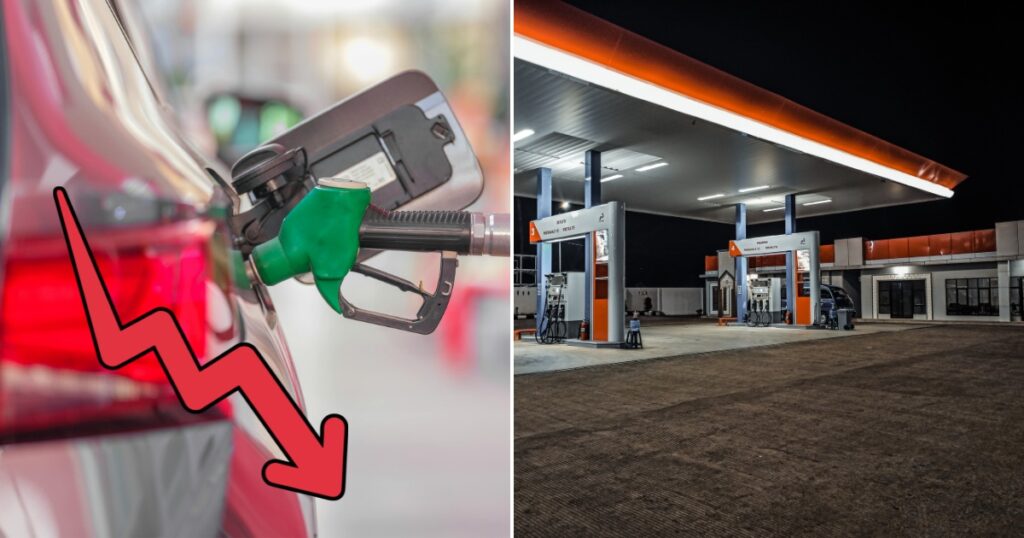
These factors will remain closely watched, as any renewed disruption to global oil supplies could affect international crude prices, which in turn feed into the UAE’s monthly fuel price adjustments.
What to expect
The current outlook suggests that the extreme volatility seen earlier this year has started to ease.
Most likely scenario:
- Brent crude remains in the $70–$80 per barrel range.
- UAE fuel prices broadly stabilise, with potential for gradual further easing.
- Any future monthly reductions are likely to be smaller than July’s cut.
If oil prices rise again:
- Geopolitical tensions could intensify.
- Shipping through the Strait of Hormuz may slow.
- Brent could climb back above $80–$90.
- UAE fuel prices may stabilise or edge higher modestly.
If supply improves faster:
- Gulf exports recover more quickly.
- OPEC+ production increases continue.
- Brent could trend closer to $70.
- UAE motorists may see additional fuel price cuts later in the year.
Looking ahead
July’s reduction reflects improving conditions in global energy markets after a prolonged period of disruption.
The consensus among energy agencies and investment banks points to a more balanced oil market in the second half of 2026, although forecasts remain sensitive to geopolitical shifts and changes in supply conditions.
For UAE motorists, the monthly fuel pricing mechanism ensures that any sustained rise or fall in global oil prices will continue to be passed through to pump prices as international market conditions evolve.

