

The comprehensive framework addresses drone registration, airspace management, safety requirements, and penalties across the emirate.
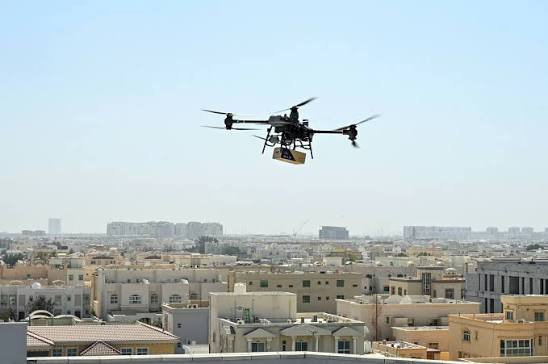
Sharjah: His Highness Sheikh Dr. Sultan bin Muhammad Al Qasimi, Ruler of Sharjah, has enacted a new law governing the use, operation, and oversight of unmanned aerial vehicles (drones) across the emirate. The comprehensive legislation aims to enhance aviation safety, safeguard airspace security, and promote the responsible and regulated use of drone technology through a robust regulatory framework.
The new law introduces stringent licensing, registration, operational, and enforcement requirements for all drone-related activities, placing the sector under a unified regulatory framework aligned with international aviation standards and best practices.
Under the legislation, all drone operations in Sharjah must adhere to prior authorisation procedures, designated airspace regulations, and strict safety measures aimed at preventing interference with civil and military aviation, while protecting people, property, and critical infrastructure.
Strict licensing for all drone activities
Under Article 6 of the new law, the operation of drones in Sharjah is prohibited without prior approval from the Sharjah Civil Aviation Department. Licences and permits will be mandatory for a broad range of drone-related activities, including government operations, commercial applications, scientific and research projects, recreational use and aerial sports, as well as media and broadcasting activities.
The legislation also empowers the Chairman of the Sharjah Civil Aviation Department to determine additional activities that may require authorisation in the future. Detailed regulations, procedures, and operational conditions governing these activities will be issued by the Chairman in accordance with the law.
Mandatory registration before operation
Article 7 requires all drone owners to register their aircraft with either the Sharjah Civil Aviation Department or the UAE General Civil Aviation Authority before commencing any operations.
Registered drones must display clear identification markings, including registration numbers or other approved identifiers. The law strictly prohibits the operation, testing, or deployment of any unregistered drone within the emirate.
Ban on unlicensed manufacturing and training
Under Article 9, no individual or entity may engage in the design, manufacture, assembly, modification, maintenance, inspection, repair, simulation development, or pilot training of drones in Sharjah without obtaining prior approval from the Civil Aviation Department.
The provision extends regulatory oversight beyond drone operations to encompass the entire drone ecosystem, ensuring that all related activities comply with safety and security requirements.
Airspace strictly regulated and categorised
Article 13 grants the Sharjah Civil Aviation Department, in coordination with the UAE General Civil Aviation Authority, the authority to plan, regulate, and manage drone flight routes and airspace usage across the emirate.
The law establishes a structured framework for airspace management, aimed at ensuring the safe integration of drones into the aviation environment while preventing conflicts with civil and military aircraft operations.
Airspace divided into three zones
The law classifies Sharjah’s airspace for drone operations into three categories: approved zones, restricted zones, and prohibited zones.
These zones will be defined based on factors such as population density, building heights, proximity to airports and landing areas, as well as broader aviation safety and security requirements, including the protection of both civilian and military flight operations.
Drone flights will only be permitted within approved zones. In the event of any deviation from authorised flight paths or designated areas, operators must immediately notify air traffic monitoring authorities, comply with all instructions issued, and submit detailed reports on the incident.
Altitude, distance and safety restrictions
Article 14 authorises the Sharjah Civil Aviation Department to establish maximum flight altitudes and horizontal operating limits for drones to ensure safe separation from aircraft, critical infrastructure, and populated areas.
The provision enables regulators to impose operational restrictions tailored to specific locations and risk levels, reinforcing safety standards and reducing the potential for accidents or interference with other airspace users.Strict airspace entry rules
Article 15 prohibits drones from operating outside their designated airspace and bars entry into restricted or prohibited zones without prior authorisation.
To ensure compliance, the Sharjah Civil Aviation Department will coordinate with federal aviation authorities and neighbouring jurisdictions to implement unified monitoring and enforcement procedures. The measure is designed to strengthen airspace security and prevent unauthorised drone activity in sensitive areas.
Operations banned in sensitive zones
Under Article 16, all drone operations, including testing and trial flights, are strictly prohibited within restricted and prohibited zones unless explicit approval has been obtained from the Civil Aviation Department.
The provision reinforces the emirate’s commitment to protecting critical infrastructure, aviation facilities, and other high-security locations from unauthorised drone activity.
Comprehensive operational obligations
The law also imposes a wide range of responsibilities on drone operators, requiring them to comply with all licensing conditions, operational restrictions, and safety requirements. Operators must ensure that flights are conducted in accordance with approved permissions, maintain control of their aircraft at all times, and cooperate with regulatory authorities in monitoring and reporting any incidents or deviations from authorised operations.
Comprehensive operational obligations
Article 17 sets out a broad range of responsibilities for drone operators, pilots, and observers to ensure safe and compliant operations across the emirate.
Among the key requirements, operators must obtain the necessary permits before conducting any flight, remain within approved zones and authorised flight paths, avoid restricted and prohibited areas, and comply with all aviation and weather-related instructions issued by the relevant authorities.
The law also requires drone users to give priority to civil, military, and government aircraft, immediately report any loss of control or communication with their drone, and take all necessary precautions to prevent collisions or safety incidents. Operators must additionally comply with any further regulations or directives issued by the Chairman of the Civil Aviation Department.
Wide-ranging prohibited activities
Article 18 establishes an extensive list of activities that are prohibited without the required approvals or licences.
These include operating unregistered or deregistered drones, modifying drone systems beyond approved specifications, flying without the necessary safety certifications, and making major structural or technical alterations without prior authorisation.
The law also prohibits using drones for purposes other than those approved, operating within restricted or prohibited zones, establishing or modifying drone-related infrastructure such as landing pads without permission, and engaging in manufacturing, assembly, repair, maintenance, or training activities without regulatory approval.
In addition, drone operations within controlled civil or military airspace are forbidden unless specifically authorised, while the Civil Aviation Department retains the authority to designate further prohibited activities as necessary.
Suspension and revocation powers
Article 21 grants the Sharjah Civil Aviation Department broad powers to suspend or revoke permits, licences, and certificates before their expiry dates.
The legislation allows for both temporary suspensions and permanent cancellations, with the specific conditions, procedures, and appeal mechanisms to be determined by the Chairman of the Civil Aviation Department.
Permit holders may also choose to voluntarily cancel their permits, although ownership of the drone may be retained subject to compliance with applicable regulatory requirements. The provision strengthens the Department’s enforcement capabilities and ensures continued oversight of drone operations throughout the emirate.
Appeals mechanism introduced
Article 26 grants individuals and stakeholders the right to challenge administrative decisions under the law through a formal appeals process.
Appeals must be submitted within 30 days of the decision being issued. They will be reviewed by a committee established by the Chairman of the Civil Aviation Department, which is required to issue its ruling within 30 days of receiving the appeal. The committee’s decision will be final.
Compliance deadline set
Under Article 27, all drone owners, operators, and relevant stakeholders must regularise their status within three months of the law’s entry into force or upon the expiry of their existing licences, whichever occurs first.
The Civil Aviation Department may grant extensions in specific cases, subject to its approval and any conditions it deems appropriate.
Strengthening aviation safety and governance
The new legislation represents a major step forward in regulating Sharjah’s rapidly expanding drone sector, establishing a comprehensive framework that covers registration, licensing, operations, manufacturing, training, airspace management, compliance, and enforcement.
By introducing clear rules and robust oversight mechanisms, the law aims to enhance aviation safety, protect airspace security, safeguard critical infrastructure, and promote the responsible integration of unmanned aerial systems into the emirate’s aviation ecosystem. The framework aligns with international best practices and reflects Sharjah’s commitment to balancing technological innovation with public safety and regulatory accountability.

