

Nations from Australia to the UK step up efforts to restrict children’s social media use.
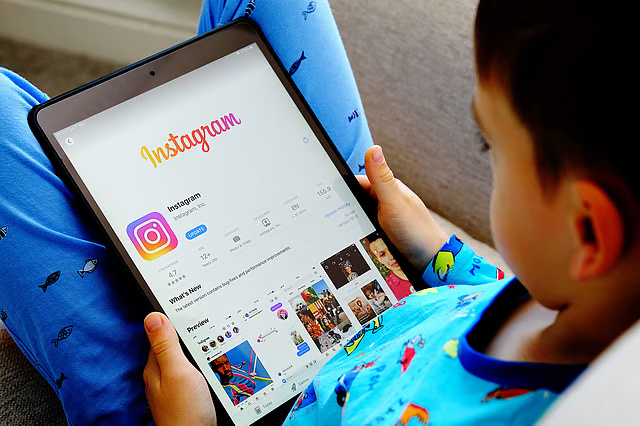
Dubai: The United Kingdom has become the latest country to move towards restricting children’s access to social media, with plans to bar users under 16 from major platforms including TikTok, Instagram, Snapchat, Facebook, YouTube and X.
The UK follows Australia, which became the first country in the world to pass legislation banning social media access for children below a specified age threshold.
Since then, a growing number of countries have introduced, proposed or debated similar measures amid mounting concerns over cyberbullying, excessive screen time, mental health impacts and children’s exposure to harmful content and online predators.
Rather than relying solely on stronger content moderation rules or age-verification requirements, some governments are now pursuing more far-reaching restrictions, including outright bans for users under 16.
Countries banning or proposing social media restrictions for children
A number of nations have either enacted legislation, announced plans or are actively considering restrictions on children’s access to social media platforms. The measures vary in scope, age limits and enforcement mechanisms, but share a common objective: reducing the risks associated with social media use among minors.
The trend reflects a broader global debate over how to balance the benefits of digital connectivity with concerns about child safety, mental wellbeing and online harm.
Here’s a closer look at the countries that have already introduced restrictions, as well as those currently considering similar measures.
1. United Kingdom
The UK has become one of the latest countries to move towards restricting children’s access to social media. On June 15, 2026, Prime Minister Keir Starmer announced plans to ban children under the age of 16 from using major social media platforms, including TikTok, Instagram, Snapchat, Facebook, YouTube and X.
Under the proposed measures, technology companies will be required to prevent under-16s from creating new accounts, while existing accounts belonging to users below the age threshold are expected to be removed or deactivated.
The restrictions will not apply to messaging services such as WhatsApp and Signal, which are exempt from the ban. The move forms part of a wider effort to address concerns around online safety, excessive social media use and the impact of digital platforms on young people’s wellbeing.
2. Australia
Australia became the first country in the world to pass a nationwide social media ban for children, with the legislation taking effect in December 2025. The law sets the minimum age for holding an account on designated social media platforms at 16.
Platforms covered by the restrictions include Facebook, Instagram, TikTok, Snapchat, X, Reddit, Twitch and Kick, with companies required to take reasonable steps to prevent underage users from accessing their services.
3. Indonesia
Indonesia became the first non-Western nation to introduce age-based social media restrictions, with its ban for users under 16 coming into force on March 28, 2026.
The regulations apply to a range of high-risk digital platforms, including YouTube, TikTok, Instagram, Facebook, X, Threads, Bigo Live and Roblox. Companies operating these services are required to identify and deactivate underage accounts.
Platforms that fail to comply could face penalties ranging from financial fines and temporary suspensions to the loss of access to the Indonesian market.
4. Malaysia
Malaysia’s restrictions took effect on June 1, 2026, under the Child Protection Code of the Online Safety Act.
The rules require major social media platforms to block registrations by users under the age of 16 and implement age-verification systems using government-issued identification documents.
Existing users believed to be under 16 are given a six-month period to verify their age. Those found to be below the minimum age threshold are provided with a one-month window to download or transfer their data before account access is removed.
5. Türkiye
Türkiye moved closer to implementing similar restrictions after parliament passed legislation in April 2026 aimed at strengthening protections for children online.
The bill would prohibit users under 15 from creating social media accounts, require platforms to introduce parental-control tools and mandate the rapid removal of harmful content targeting minors.
The legislation also requires online gaming companies to appoint local representatives within the country. The measure is awaiting final approval from Recep Tayyip Erdoğan before it can formally become law.
6. Greece
Greece is set to introduce a social media ban for children under 15 from January 1, 2027, as part of a broader effort to address the impact of digital platforms on young people’s wellbeing.
Prime Minister Kyriakos Mitsotakis has linked the move to growing concerns over anxiety, sleep deprivation and social media addiction among minors. The Greek government is also advocating for a coordinated European Union approach to child online safety and is exploring mandatory identity verification requirements for all users to help curb online abuse and harassment.
7. France
France is advancing legislation that would establish a “digital majority” at the age of 15.
Under the proposal, children younger than 15 would be prevented from accessing major social media platforms unless they have explicit parental consent. The bill has already progressed through both chambers of parliament and has been referred to the European Commission for review to ensure it aligns with EU digital regulations.
If approved, France would join a growing number of countries introducing stricter controls on children’s access to social media.
8. Canada
Canada is considering similar measures through the proposed Safe Social Media Act.
The legislation would prohibit children under 16 from accessing social media unless platforms implement approved safety measures and protections. It also includes provisions aimed at regulating AI-powered chatbots and would require companies to remove harmful content — including non-consensual intimate images — within 24 hours of being reported.
The bill remains in the early stages of the legislative process.
9. Norway
Norway is preparing legislation that would raise the minimum age for social media use from 15 to 16.
The government plans to present the proposal to parliament before the end of 2026. A key feature of the plan is that responsibility for verifying users’ ages would rest with technology companies rather than children or their parents.
The proposal reflects a broader international shift towards placing greater accountability on social media platforms for protecting young users and enforcing age-related restrictions.
10. Spain
Spain is considering an Australia-style restriction that would ban social media access for children under 16. The proposal would require platforms to implement strong identity verification systems rather than relying on simple age-check boxes.
Under the draft measures, technology executives could also face criminal liability if illegal or harmful content is not removed in a timely manner. However, the proposal has not yet been approved by parliament and remains under legislative review.
11. Denmark
Denmark proposed legislation in 2025 to set the minimum age for social media use at 15.
The plan includes a provision allowing children aged 13 and 14 to access platforms only with explicit parental consent. To enforce the rules, authorities are developing a digital identity system linked to the national ID infrastructure.
Platforms that fail to comply with the requirements could face significant financial penalties.
12. Germany
Germany is currently debating potential nationwide restrictions on social media access for minors.
Within the political debate, conservative lawmakers have proposed a minimum age of 16, while the Social Democratic Party has pushed for even stricter limits for users under 14. As of now, no formal legislation has been passed.
What about the UAE?
The United Arab Emirates has not implemented a blanket ban on social media for children. However, it enforces a strict child protection framework under the Child Digital Safety Law (Federal Decree-Law No. 26 of 2025).
Rather than banning access outright, the UAE focuses on platform accountability, online safety standards, content moderation obligations and protections against exploitation, cyberbullying and harmful material for minors.
This places the UAE among countries taking a regulatory and safety-first approach rather than full age-based exclusion.
From January 2027, all digital platforms targeting users in the United Arab Emirates — including TikTok, Instagram and Roblox — will be required to enforce stricter child online safety rules.
Under the updated framework, platforms must not collect data from children under 13 without verified parental consent. They are also expected to remove or disable predatory recommendation algorithms, limit interactions with strangers, and apply age-based content filtering systems.
In addition, parents and guardians carry legal responsibility to ensure children are registered on age-appropriate services and to activate and maintain parental control settings on devices and platforms used by minors.

