

Salalah from the UAE: Top Attractions, Affordable Bus Tours, Travel Expenses and Best Travel Season.
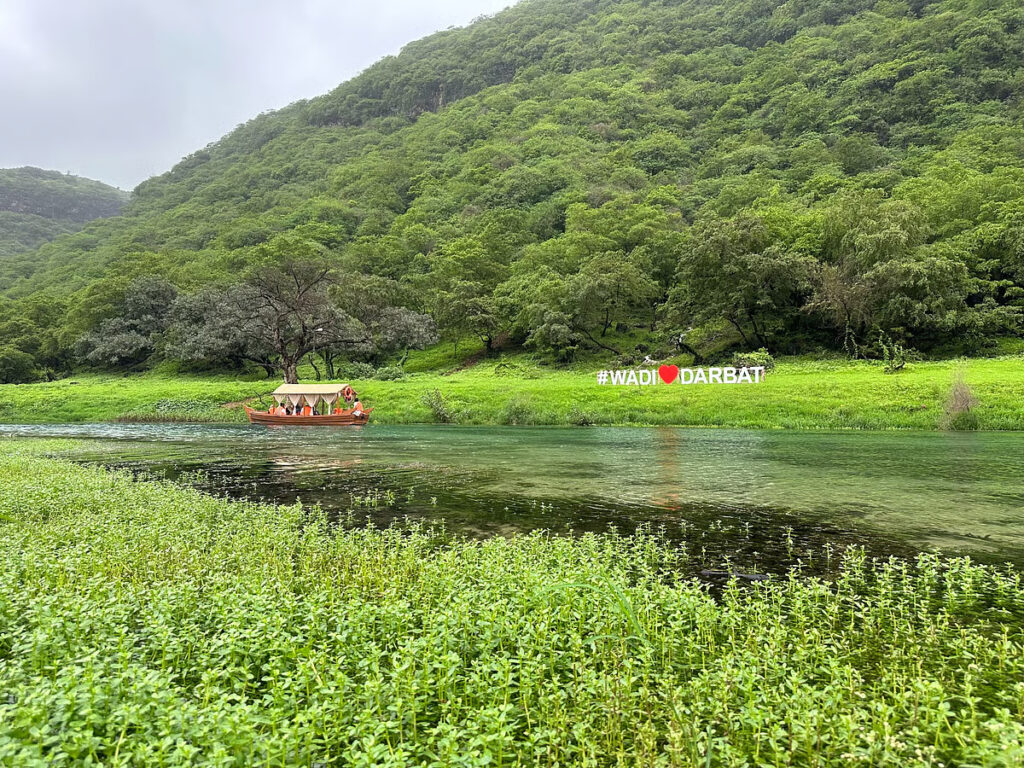
Dubai: If you’re searching for a summer getaway with cooler temperatures, lush greenery, cascading waterfalls and mist-covered mountains, Salalah is just a two-hour flight away. Located in Oman’s Dhofar region, the coastal city comes alive during the annual Khareef monsoon season, which transforms the landscape into a verdant paradise as temperatures across the UAE and wider Gulf climb above 43°C. UAE residents also enjoy the convenience of visa-free or visa-on-arrival entry.
Demand remains strong despite regional tensions
Travel operators say interest in Salalah is picking up steadily as the Khareef season approaches, with bookings continuing to grow despite ongoing regional uncertainties.
Georges Kfoury, founder and managing director of Arabian Wanderers, which offers curated trips across Oman, Socotra, Jordan, Saudi Arabia and the UAE, said inquiries for its Salalah Khareef packages have already begun to arrive.
“Demand has remained steady, and people continue to enquire about and book our packages,” Kfoury said. “Many of our customers come from neighbouring Gulf countries, and Salalah has long been a favourite summer destination for travellers from across the region.”
Abdus Samad Hussain Siddiqui, co-founder of Beautiful Salalah Tours, said demand is showing similar momentum.
“During Eid Al Adha, we saw strong demand for tour packages from the UAE and Saudi Arabia, particularly for bus trips from the UAE to Salalah,” he said. “With the Khareef season approaching, bookings and enquiries are beginning to pick up once again.”
Both operators advise travellers to book well in advance. While airfares remain relatively affordable for now, return tickets can climb above Dh1,000 during the peak Khareef season. Accommodation prices also tend to increase sharply as visitor numbers rise, making early reservations the best way to secure better rates and availability.
What is the Khareef?
Although Khareef literally means “autumn” in Arabic, in Salalah the term refers to a unique summer monsoon season that brings cool temperatures, light rain, mist and low-lying clouds to the Dhofar region. During this period, rivers and streams begin to flow, valleys and plains turn vibrant green, and the surrounding mountains—including the Jabal Samhan range—are transformed into lush, verdant landscapes. The seasonal change creates a striking contrast to the hot, arid conditions experienced across much of the Gulf during the summer months.
Temperatures during the Khareef season typically range between 20°C and 27°C, offering a welcome respite from the intense summer heat that often exceeds 40°C elsewhere in the Gulf, according to Siddiqui.
However, travellers hoping to experience Salalah at its lushest may want to avoid arriving too early in the season. According to Georges Kfoury, June does not usually deliver the full Khareef experience.
“There is a common misconception that June is the best time to experience Khareef,” Kfoury said. “If you want to see Salalah at its greenest, with frequent rain, dense fog, mist-covered mountains and lush landscapes, the ideal time to visit is from mid-July to the end of September.”
He explained that mid-July typically marks the arrival of regular rainfall, fog and mist, while September brings slightly sunnier conditions without losing the region’s vibrant greenery. “By September, you get a bit more sunshine, but the landscapes remain beautifully green and full of life,” he added.
How much does a Salalah tour package cost?
The cost of a Salalah holiday varies depending on factors such as accommodation type, mode of transport, trip duration and included activities. However, travel experts generally recommend opting for guided tours, particularly for first-time visitors.
Many of Salalah’s most popular attractions—including waterfalls, secluded beaches and mountain viewpoints—are located in remote areas that can be difficult to access without local knowledge.
“I highly recommend joining a tour or booking guided excursions, especially for first-time visitors,” said Georges Kfoury. “Many of the region’s waterfalls, beaches and mountain attractions are situated in remote locations, and having a guide helps travellers make the most of their visit while navigating the area more easily.”
“You need to know how to navigate the terrain, which often requires a 4×4 vehicle,” Kfoury said. “Local guides can also provide a more authentic experience and take visitors to hidden spots and viewpoints that many tourists might otherwise overlook.”
For travellers seeking a hassle-free experience, Arabian Wanderers offers a small-group adventure package starting from Dh2,500 per person. The package includes accommodation, meals, ground transportation, guided tours and hikes, airport transfers, and visits to lesser-known attractions and scenic viewpoints. Return flights are not included and must be booked separately.
Why bus travel from Dubai is becoming more popular
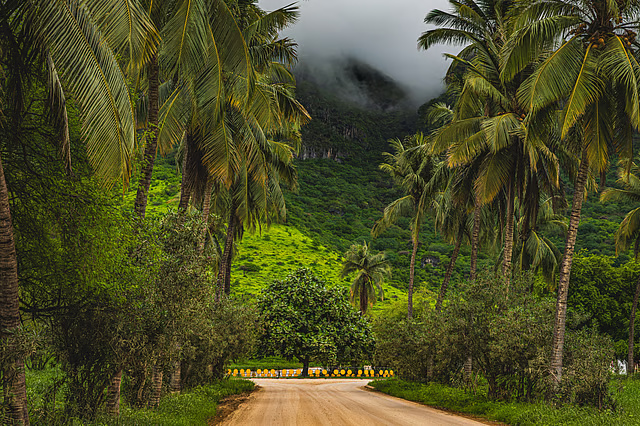
As airfares tend to surge during the peak Khareef season, an increasing number of UAE residents are opting for coach tours to Salalah as a more budget-friendly travel option.
Travel operators say bus packages offer a cost-effective alternative to flying, particularly for families and larger groups. In addition to reducing travel expenses, these tours typically include transportation, accommodation and guided sightseeing, allowing visitors to explore Salalah without having to arrange logistics independently. The growing popularity of coach travel reflects strong demand for affordable summer getaways as travellers seek to experience the Khareef season without the higher costs associated with peak-season flights.
According to Abdus Samad Hussain Siddiqui, travellers are increasingly seeking destinations that combine affordability, easy entry requirements and pleasant weather.
“People are looking for affordable destinations that offer visa-free or visa-on-arrival access, pleasant weather and beautiful scenery,” he said. “Although direct flights take less than two hours, bus tour packages remain popular.”
Despite the journey from Dubai to Salalah taking around 16 hours, many travellers continue to choose coach tours. Siddiqui said the appeal extends beyond cost savings. “Travellers can carry more luggage and enjoy the dramatic transformation in landscapes along the way, from desert terrain to lush green mountains and tropical vegetation,” he explained.
A typical Khareef coach package costs about Dh1,290 per person when booked early, rising to around Dh1,490 closer to the start of the season. Packages usually include return coach travel from Dubai, accommodation in a three-star hotel, meals and guided sightseeing tours.
“If you wait until July, airfares can become very expensive, and hotel rates also increase significantly,” Siddiqui added. “A bus tour package can be a practical and cost-effective option, particularly for families. It also simplifies travel arrangements, as GCC residents of many nationalities are eligible for a visa on arrival when entering Oman.”
Popular places to visit
“While direct flights from the UAE to Oman take less than two hours, bus tour packages from Dubai to Salalah remain highly popular,” said Abdus Samad Hussain Siddiqui. “Despite the journey taking around 16 hours, many travellers prefer this option because it allows them to carry more luggage and enjoy the dramatic change in scenery along the way, from vast desert landscapes to the lush green hills and tropical surroundings of Salalah.”
Some of the most popular attractions during the Khareef season include:
- Wadi Darbat – Famous for seasonal waterfalls, lakes, lush valleys and boat rides.
- Jabal Samhan – The highest mountain range in Dhofar, offering sweeping panoramic views.
- Burj Al Askar Viewpoint – A popular spot for scenic photography and sunset views.
- Mughsail Beach – Renowned for its white sands, dramatic cliffs and natural blowholes.
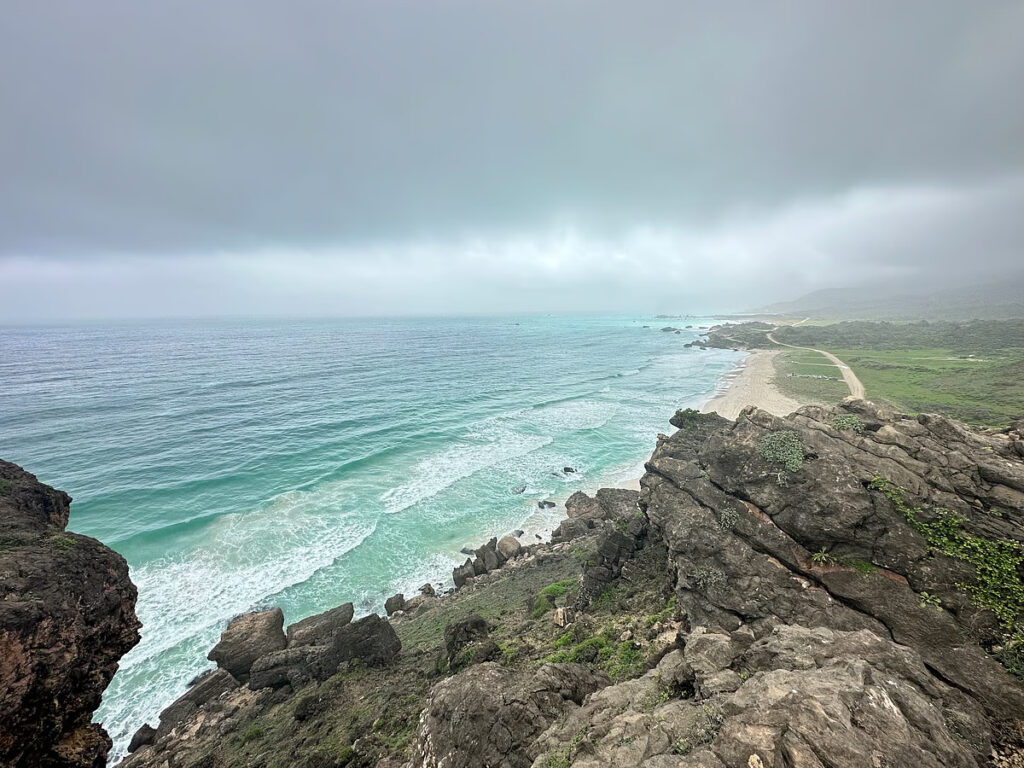
- Shaat Viewpoint – Known for spectacular cliffside vistas overlooking the Arabian Sea.
- Tawi Atair Sinkhole – One of the world’s largest sinkholes and a major natural attraction.
- Anti-Gravity Point – A curious location where vehicles appear to roll uphill against gravity.
- Al Fazayah Beach – Celebrated for its turquoise waters, pristine coastline and secluded setting.
- Seasonal waterfalls and mist-covered valleys scattered across the Dhofar region.
Beyond its natural beauty, Salalah is closely linked to the ancient frankincense trade. The Dhofar region was once a major hub on the global frankincense route, and several related archaeological sites form part of the UNESCO-recognised Land of Frankincense heritage area. The region is also home to rare baobab trees, a distinctive feature rarely seen elsewhere in the Arabian Peninsula.
For adventure seekers, Salalah offers a wide range of outdoor activities, including hiking, mountain trekking, zip-lining, nature walks, boat trips and off-road excursions through the region’s rugged landscapes.
Travel tips
Georges Kfoury recommends starting your day early to make the most of Salalah’s most popular attractions.
“Try to reach your destination by 7am or 8am,” he said. “From around 10am or 11am, many of the popular sites become quite busy, and you may not be able to fully enjoy the experience.”
Kfoury also advises travellers to be prepared for cooler, wetter conditions than they might expect in the Gulf. While temperatures during Khareef are generally mild, frequent drizzle, mist and rain can make the weather feel noticeably cooler, particularly in the mountains.
Visitors should pack light waterproof clothing, comfortable walking shoes with good grip, and a light jacket for evenings or higher-altitude areas. Those planning to explore waterfalls, mountain trails and remote viewpoints should also be prepared for muddy paths and slippery terrain, especially after rainfall. Early starts, flexible itineraries and weather-appropriate clothing can help travellers get the most out of the Khareef experience.
What to pack
Travellers heading to Salalah during the Khareef season should come prepared for cool, wet and often misty conditions. Recommended items include:
- Light jacket or sweater
- Mosquito repellent
- Raincoat or waterproof jacket
- Rain boots or waterproof footwear
- Hiking shoes with good grip
“A lot of people underestimate the weather conditions in Salalah during Khareef,” said Georges Kfoury, noting that frequent rain, fog and muddy terrain can catch visitors off guard.
How to get there
By air:
Salalah is less than two hours away by flight from Dubai, Abu Dhabi and Sharjah. Airlines serving the route include Etihad Airways, Emirates, flydubai, Air Arabia, Wizz Air, Oman Air and SalamAir. Booking before July can help travellers secure lower fares before peak-season demand drives prices higher.
By coach tour:
The journey from Dubai to Salalah takes around 16 hours by road, but coach packages continue to attract travellers looking for a more affordable alternative to flying. In addition to lower costs, bus tours often offer higher luggage allowances and the opportunity to experience the changing landscapes along the route, from desert expanses to the lush green mountains of Dhofar. Many tour operators also assist with visa arrangements for eligible GCC residents, making the trip more convenient for first-time visitors.
By car:
Driving from the UAE to Salalah covers approximately 1,200km to 1,300km, with the journey typically taking 14 to 18 hours, depending on your departure point, traffic conditions and border crossing times. Most travellers enter Oman via the Hatta Border Crossing or Khatm Al Shikla Border Crossing.
Those travelling by road should carry a valid passport, UAE residence visa and car insurance that is valid in Oman. Motorists are also required to pay the UAE’s Dh35 exit fee when leaving the country. Travellers are advised to check the latest visa, insurance and vehicle-entry requirements before departure and to ensure their vehicle is road-trip ready for the long journey across the Arabian Peninsula.

