

Gold prices have seen sharp swings in both directions in recent weeks amid ongoing developments linked to the war.
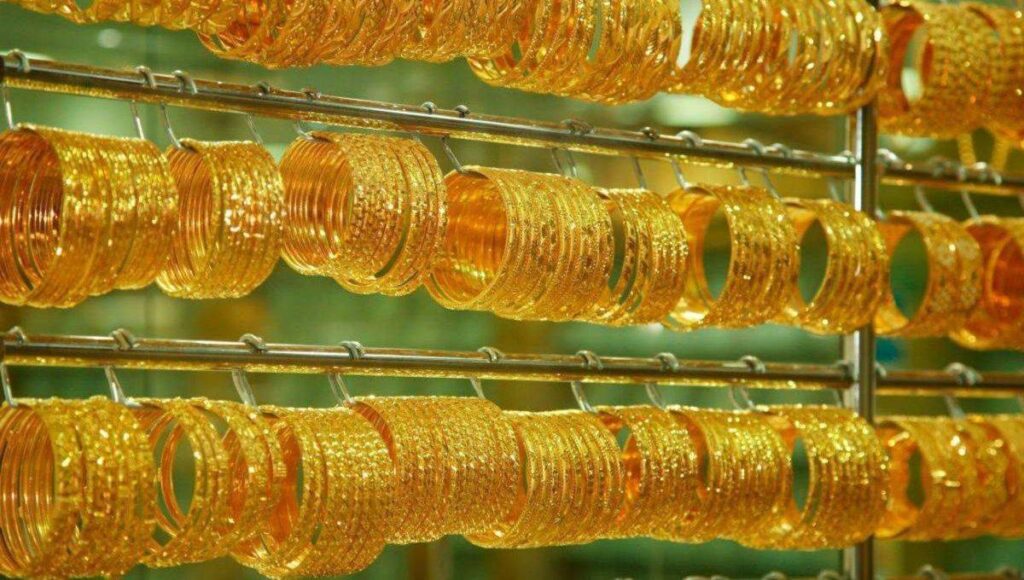
Dubai gold prices fell on Wednesday, offering short-term relief for jewellery buyers. However, the latest decline also reflects a broader trend in the market, where frequent price swings are making it increasingly difficult for shoppers to decide the right time to purchase.
Gold prices have been moving sharply in both directions in recent weeks amid ongoing war-related developments and shifting global sentiment.
Dubai gold prices eased on Wednesday, with 24K gold falling to Dh535.25 per gram from Dh542.50 a day earlier, marking a drop of Dh7.25 per gram.
Other categories also declined, with 22K priced at Dh495.50, 21K at Dh475.25, 18K at Dh407.25, and 14K at Dh317.75 per gram.
However, the volatility has left consumers uncertain, especially those planning weddings, jewellery purchases, or investment buys, as the key challenge has shifted from price levels to timing—whether today’s rate will still look favourable tomorrow.
That uncertainty has become a defining feature of the Dubai gold market in recent weeks.
Gold prices have been swinging sharply in both directions as investors react to a mix of geopolitical developments linked to the Iran-related conflict, volatility in oil markets, and shifting expectations around central bank interest rates.
Recent market movements show that bullion is being pulled between two competing forces: on one side, geopolitical tensions typically support safe-haven demand, while on the other, higher oil prices are fuelling inflation concerns that keep interest rates elevated—reducing the appeal of non-yielding assets like gold. At the same time, fluctuations in the US dollar have added another layer of volatility, amplifying price swings across global markets.
While buyers usually welcome a Dh7 per gram drop in a single day, many remain cautious as recent market trends show that prices can quickly reverse direction.
A Dh7 decline per gram can also translate into meaningful savings on larger purchases. For example, a 10-gram purchase of 24K gold would cost over Dh70 less than the previous day, while buyers of bridal jewellery or investment bars could save several hundred dirhams depending on the quantity purchased.
Why are prices falling?
The latest decline reflects a combination of geopolitical developments and wider macroeconomic factors. Despite renewed tensions in parts of the Gulf region, investor demand for gold has remained subdued, limiting upward pressure on prices.
Ahmad Assiri, Research Strategist at Pepperstone, said gold traded slightly lower as markets continued to absorb recent developments across the region, including reports of warning sirens in Kuwait and Bahrain. He noted that the response has remained weak for gold, with investors showing little inclination to increase exposure to the metal despite ongoing disruptions around the Strait of Hormuz.
He added that attention is instead centred on the broader macroeconomic backdrop, where a relatively strong US dollar continues to cap gains for the precious metal.
Assiri said geopolitical risks remain a key factor, but they are being balanced against other strong market drivers. He noted that the Middle East continues to be a major source of uncertainty, with ongoing headlines influencing short-term sentiment.
He added that the repeated cycles of escalation and de-escalation have created a difficult environment for investors trying to gauge the real level of risk across gold markets, energy prices, and global shipping routes.
International gold prices came under pressure after U.S. President Donald Trump expressed optimism that Washington and Tehran could reach an interim peace arrangement despite ongoing hostilities.
The comments shifted market sentiment away from pure “risk-off” positioning, with traders reassessing the likelihood of further escalation in the Middle East. Reports suggest that even partial de-escalation signals have been enough to dampen safe-haven demand for bullion, as investors weigh whether geopolitical risks are stabilising or easing.
At the same time, markets remain highly reactive to shifting headlines on both war and diplomacy, with gold prices oscillating between gains on conflict fears and declines on hopes of negotiation progress.
Spot gold fell as much as 0.7 per cent, trading near $4,460 an ounce after closing slightly higher in the previous session.
Investors are weighing the possibility of diplomatic progress against the risk of further escalation in the region. This balancing act has limited strong safe-haven demand for gold, which typically rises more sharply during periods of heightened geopolitical tension.
Conflict continues
Fresh military developments were reported across the region. Iran allegedly launched ballistic missiles toward Kuwait and Bahrain, though the projectiles either disintegrated mid-air or were intercepted before impact.
At the same time, US forces reportedly conducted strikes on Iran’s Qeshm Island, according to US Central Command. Following these developments, oil prices extended gains for a third consecutive session, with Brent crude trading above $97 per barrel.
For residents of the United Arab Emirates, developments around the Strait of Hormuz are particularly significant, as the waterway is a critical global energy shipping route. Any disruption there can quickly influence oil prices, inflation expectations, and broader financial market sentiment.
Inflation fears
Ongoing disruption to energy flows through the Strait of Hormuz has raised concerns about rising inflation globally.
Higher oil prices tend to increase transportation and production costs, which can feed into broader price pressures across economies. This may also push central banks to maintain tighter monetary policies for longer than expected, keeping interest rates elevated and complicating the global inflation outlook.
For gold investors, the situation presents a mixed outlook. Geopolitical uncertainty typically supports gold prices, while higher interest rates tend to weigh on them.
What should buyers do?
For shoppers in the United Arab Emirates, the recent dip may present a buying opportunity, especially for those with immediate needs such as jewellery purchases or gifting.
However, the sharp price swings seen in recent weeks suggest that volatility is likely to persist. Gold prices are expected to remain highly sensitive to developments linked to the Iran conflict, movements in oil markets, central bank policy decisions, and fluctuations in the US dollar.
For now, buyers may welcome Wednesday’s Dh7 drop. However, with gold reacting quickly to shifts in geopolitics, oil market trends, and interest-rate expectations, many shoppers in the United Arab Emirates are still left with the same dilemma: whether to buy now or wait for the next price movement.

