

Airfares have surged by nearly one-third during the Eid al-Adha period this year, driven by higher jet fuel prices and the overlap of the Hajj season with summer and school holidays.
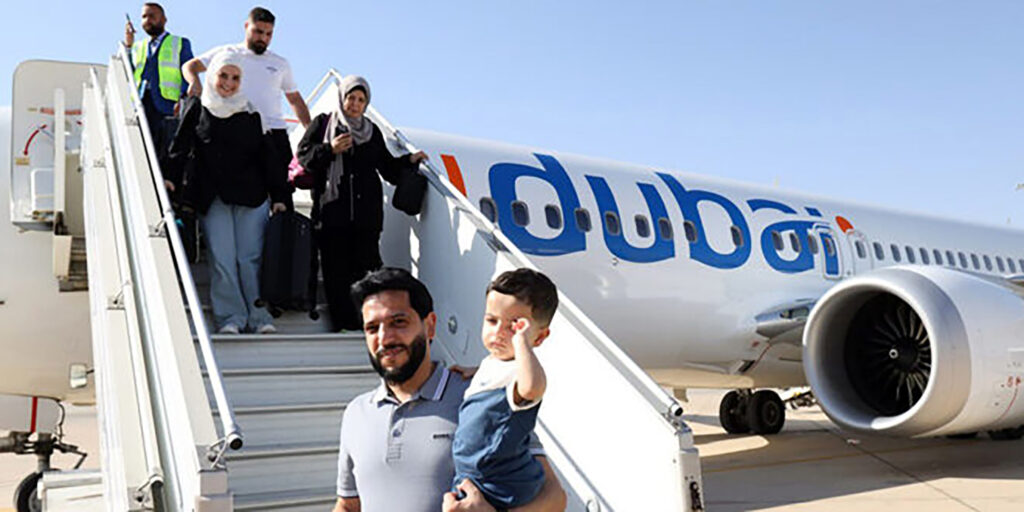
Airfares to popular destinations are expected to rise by up to 30 per cent during peak travel seasons this year compared to last year, according to travel agents, driven by soaring jet fuel prices, flight disruptions following the US-Israel-Iran conflict, and the overlap of the Hajj season with the summer holiday period.
During the upcoming Eid al-Adha break this week, ticket prices are already significantly higher than last year, with fares increasing by as much as 30 per cent. Industry experts say the sharp rise is largely linked to jet fuel prices, which have more than doubled since February 28.
“Airfares have increased across all major routes, including destinations in India, Pakistan, and Europe. This is not limited to any specific country or region, but is being seen across the board due to ongoing flight disruptions,” said Mir Wasim Raja.

“Depending on the destination, airfares during the Eid al-Adha period have risen by a minimum of 35 to 40 per cent compared to last year. That is why we always advise clients to book early and avoid waiting until the last moment if their travel dates are confirmed,” he added.
Masna Haseen said popular outbound travel routes are currently trending around 20 to 30 per cent higher year-on-year during the Eid al-Adha and early summer travel period.
“Regional and Arab destinations are witnessing even sharper fare increases, with some ticket prices rising by up to 45 per cent during the Eid rush due to strong holiday demand, Hajj-related travel, limited seat availability, and last-minute bookings,” she said.
She added that direct flights, peak weekend departures, return journeys immediately after Eid, and bookings made within short notice periods are experiencing the steepest fare hikes.
Imtiaz Hussain Nasir said airfares on several popular regional and international routes are currently around 10 to 20 per cent higher than during the Eid al-Adha period last year, although increases vary depending on the destination, airline, and booking window.
“Last-minute bookings continue to see the sharpest price increases due to strong travel demand,” he noted.
Airlines in the UAE and across the Gulf region are still operating below their pre-conflict capacity levels, but carriers are gradually expanding route networks as travel demand continues to strengthen, particularly during peak holiday seasons.
Fares expected to stay elevated
Nasir said travel demand is likely to remain strong throughout the summer and year-end holiday periods.
“Airlines are continuing to adjust capacity and add additional services wherever possible. We expect ticket pricing to remain dynamic, while travellers who book early and remain flexible are more likely to secure better fares,” he added.
Imtiaz Hussain Nasir said he does not expect elevated airfare levels to become a permanent trend.
Meanwhile, Masna Haseen noted that fare increases of 30 per cent or more are realistic during peak travel dates this year, particularly for last-minute bookings and routes with limited capacity, though she cautioned against treating that figure as the average across all destinations or the entire year.
“Airfares from the UAE in 2026 are likely to remain above 2025 levels on several popular routes, with year-on-year increases of 20 to 30 per cent expected during summer and holiday travel periods. In some cases, fare hikes exceeding 30 per cent are possible where Eid, Hajj, and school holidays overlap alongside higher fuel costs and restricted flight capacity,” she said.
Haseen added that ticket prices are expected to remain elevated throughout the main summer travel season, particularly on routes where demand remains strong and airline capacity is still constrained.
“Fares could ease after Eid on routes where seat availability improves and travel demand becomes less concentrated. However, the broader outlook remains firm for school holidays, long weekends, UAE National Day, and the Christmas and New Year travel period,” she said.
She also noted that routes connecting the UAE with Europe, South Asia, Saudi Arabia, Egypt, Jordan, and other high-demand regional destinations are likely to remain sensitive to fuel prices, airspace conditions, visa availability, and airline capacity constraints.

