

Without sufficient electrolytes, the body can quickly run into serious problems.
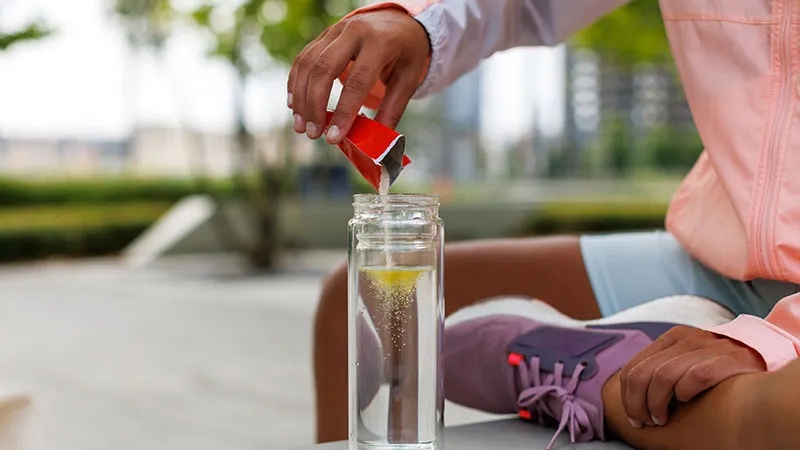
You can see it everywhere this summer: electrolytes appearing in neon-coloured gym drinks, fizzy dissolvable tablets, influencer-branded water bottles, and supermarket shelves stacked with powders promising “next-level hydration.”
Somewhere along the way, plain water has started to feel almost insufficient.
But behind the marketing hype lies a simpler, more important question: what exactly are electrolytes, and does the body really need extra support to get through a hot United Arab Emirates summer?
The short answer is yes—but not always in the heavily branded, expensive forms often promoted on social media.
So what are electrolytes in the first place?
Electrolytes are minerals—mainly including sodium, potassium, chloride, magnesium, calcium, phosphate, and bicarbonates—that help regulate fluid balance, muscle function, and nerve activity. In hot weather, increased sweating leads to greater electrolyte loss, meaning the body may need replenishment.
Electrolytes explained: Do you need supplements during the UAE summer? Experts break down risks and myths
Melanie Desouza
Clinical dietician, Medcare Shaikh Saqr Al Qasimi Hospital
Let’s start with the basics. Electrolytes are minerals that carry an electric charge and help regulate some of the body’s most essential functions. These charged minerals include sodium, potassium, chloride, bicarbonate, calcium, magnesium, and phosphate, as noted by Dubai-based coach and nutritionist Justine Dempt.
Our bodies naturally produce bicarbonate, while phosphate and calcium are typically easy to obtain through a balanced diet. Sodium and chloride are commonly consumed together as table salt. As a result, electrolyte drinks and supplements often focus on potassium, magnesium, and sodium.
Melanie Desouza explains it clearly: “Electrolytes help maintain fluid balance, muscle function and nerve activity. In hot weather, sweating increases electrolyte loss, so the body needs more replacement fuel.”
When levels begin to drop, the body responds quickly. Muscles may become more prone to cramping, nerve signals can become less efficient, and hydration becomes harder to regulate—highlighting why maintaining electrolyte balance matters so much during intense summer heat in the United Arab Emirates.
How do we lose electrolytes?
If electrolytes are essential for smooth body function, the next question is how they’re actually lost.
The most obvious route is through fluid loss. In everyday conditions, the body is usually well-equipped to maintain balance. But in certain situations—illness being one of them—that balance can be disrupted quickly. Conditions that cause vomiting or diarrhoea can deplete fluids and minerals rapidly, while chronic digestive issues such as small intestinal bacterial overgrowth (SIBO) may interfere with the body’s ability to absorb key nutrients in the first place.
For most healthy people, however, the biggest electrolyte drain isn’t illness—it’s heat, movement, and sweat, especially in the hot climate of the United Arab Emirates.
During exercise, outdoor activity, or even long walks in peak summer temperatures, the body activates its cooling system. Sweating helps prevent overheating, but it also carries a cost: fluid loss is accompanied by essential minerals—particularly sodium, along with smaller amounts of potassium and magnesium. The harder and longer the effort, the greater the loss.
Why summer heat changes everything
In extreme heat and humidity, that balance is pushed to its limits. As nutritionist and trainer Hannah Lucy Murphy explains, the body can lose two to three litres of sweat per hour simply trying to regulate its temperature.
“And sweat isn’t just water,” she says. “It carries significant sodium with it, plus smaller amounts of potassium and magnesium.”
As these minerals are gradually depleted, the effects begin to show. Blood volume can decrease, the heart has to work harder to circulate what remains, and muscles may become less predictable in their response.
“That cramp that seizes your calf halfway through a beach football game, or locks up your hamstring during a run, is often your sodium and magnesium running low,” Hannah Lucy Murphy says.
Humidity only amplifies the strain. In dry heat, sweat evaporates quickly, helping the body cool efficiently. But in humid conditions, evaporation slows down. Sweat lingers on the skin, cooling becomes less effective, and the body compensates by producing even more sweat—accelerating fluid and electrolyte loss in the process.
Can you be dehydrated even if you drink lots of water?
Surprisingly, yes. One of the most common misconceptions about hydration is that water alone is always enough.
If you’re sweating heavily, drinking only water without replacing lost electrolytes may still lead to imbalance, as Melanie Desouza explains. Electrolytes help the body retain and properly distribute fluids. Without them, hydration becomes less efficient—especially after prolonged sweating from outdoor workouts, walking in the heat, or even everyday commuting during summer in the United Arab Emirates.
Hannah Lucy Murphy adds that many people wait until they feel thirsty before drinking fluids, but thirst often arrives late. “By the time you feel genuinely thirsty in Dubai heat, you’re already behind,” she says.
Furthermore, caffeine may also have a mild diuretic effect and could influence magnesium balance by affecting how the body reabsorbs it. Research also suggests that stress can disrupt electrolyte balance by increasing mineral loss through urine.
A 2020 review, “The Effects of Psychological and Environmental Stress on Micronutrient Concentrations in the Body: A Review of the Evidence,” published in the National Library of Medicine, also suggests that stress may affect electrolyte levels, though the authors note that further research is still needed.
The early signs people ignore
Electrolyte imbalances rarely begin dramatically. Instead, early symptoms are often dismissed as simple tiredness, poor sleep, or just “the heat.”
According to Melanie Desouza, common warning signs of electrolyte imbalance include:
- Muscle cramps
- Fatigue
- Dizziness
- Headaches
- Nausea
- Difficulty concentrating
Hannah Lucy Murphy adds that disproportionate fatigue, headaches behind the eyes, dark urine, and nausea during exercise can also point to electrolyte depletion.
She also notes that cramps in the calves, feet, or hamstrings are especially common during long runs, football matches, padel sessions, or other extended physical activity in the heat.
Who is most vulnerable?
While anyone who sweats heavily can experience electrolyte loss, some groups are more at risk than others. “Children, older adults, people with diabetes, and those with chronic illnesses are more vulnerable due to higher fluid loss or reduced hydration awareness,” says Melanie Desouza.
Furthermore, athletes and outdoor workers are also at higher risk due to prolonged exposure to heat and continuous sweating in the climate of the United Arab Emirates.
Are electrolyte drinks being overused?
Just like many fitness trends that are marketed as quick fixes, the answer is often yes.
Most people can stay well-hydrated with water and a balanced diet alone, explains Melanie Desouza. “Electrolyte drinks are mainly useful during prolonged heat exposure, intense exercise or excessive sweating.”
Hannah Lucy Murphy agrees, adding that for most standard gym sessions—especially those under an hour—electrolyte supplementation is usually unnecessary. “Your body is good at holding onto electrolytes during shorter efforts, and whatever you lose is easily replaced by your next meal,” she says. “A piece of toast with butter has more sodium than most people sweat out in 45 minutes on the treadmill.”
However, the equation changes in specific situations such as outdoor workouts during summer in the United Arab Emirates, endurance training, long-distance running, cycling, football matches, or any activity lasting more than 90 minutes.
Those who sweat heavily may also benefit from more intentional electrolyte replacement. One simple indicator is visible salt residue on skin or clothing after exercise—the white marks that suggest higher-than-average sodium loss.
Can food provide enough electrolytes?
Fortunately, many essential electrolytes are already present in everyday foods. Bananas, avocados, and sweet potatoes are rich in potassium, while nuts and seeds support magnesium intake. Dairy products, eggs, and fish provide calcium, and sodium is naturally found in a wide range of foods most people already consume.
The bigger issue, however, may not be electrolyte intake itself, but dietary variety. Hannah Lucy Murphy explains: “The problem is that many people are eating a fairly narrow range of foods. The same meal delivery orders, ultra-processed snacks, and repetitive diets can create quiet deficiencies over time.”
During cooler months, those gaps may go unnoticed. But once summer arrives and the body begins losing more minerals through sweat, any underlying deficiencies can become more noticeable—leaving people feeling fatigued, more prone to cramps, and constantly dehydrated despite drinking plenty of water in the heat of the United Arab Emirates.
The risks of overdoing electrolyte supplements
As with most areas of nutrition, too much of a good thing can quickly become counterproductive. Electrolytes are essential for health, but excessive supplementation can disrupt the body’s balance rather than support it.
High sodium intake, for example, may contribute to elevated blood pressure and water retention, increasing blood volume and placing added strain on the cardiovascular system. Excess potassium—though less common—can affect heart rhythm and, in severe cases, lead to irregular heartbeat. Overconsumption of magnesium may cause digestive upset, particularly diarrhoea, while too much calcium has been linked to kidney stone formation. For this reason, experts emphasise sticking to recommended doses and using supplements only when genuinely needed.
Hannah Lucy Murphy also highlights another often-overlooked concern: many commercial electrolyte drinks contain significant added sugar. “Regular overconsumption contributes to weight gain, blood sugar spikes and, over time, increases the risk of metabolic issues,” she says.
There is also a more subtle risk: ironically, consuming high amounts of electrolytes without enough water can actually worsen dehydration by disrupting fluid balance within cells rather than restoring it.
Beyond the physical effects, experts also warn that over-reliance on supplements can mask the underlying problem—whether that’s an unbalanced diet, insufficient recovery, or pushing the body too hard in extreme heat conditions in the United Arab Emirates.
When you should actually take supplements
Explaining whether electrolyte supplements improve hydration more than water, Rahaf Mohammed Altowairqi says they can be beneficial in specific situations.
“Yes, especially when the body loses significant amounts of fluids and minerals, such as through sweating during exercise or illness. The sodium, potassium and magnesium help maintain fluid balance by regulating how water moves in and out of cells, which promotes better hydration,” she explains.
However, she emphasises that supplements are mainly useful for high-performance athletes or individuals engaged in prolonged or intense physical activity, where sweat losses are substantial.
In practical terms, if a workout lasts more than an hour—particularly in hot or humid conditions in the United Arab Emirates—even casual exercisers may lose enough electrolytes to justify replenishment. In these cases, water alone may not fully restore sodium and other minerals needed for optimal recovery and hydration.
Still, experts caution that balance is key. While electrolyte supplements have a clear role in certain situations, overuse can be counterproductive and may even negatively affect overall health if not used appropriately.
The bottom line
As specialists reassure, if you’re maintaining a balanced diet and not sweating excessively, there is generally no need to overthink electrolyte intake. For most people, a varied diet rich in fruits, vegetables, dairy, and high-quality proteins already provides sufficient essential minerals.
Many electrolyte-rich foods are already part of everyday meals without people realising it. Yogurt, for example, provides potassium and magnesium, while leafy greens, nuts, seeds, dark chocolate, and whole grains contribute additional magnesium. Bananas, avocados, and coconut water are also well known for helping replenish potassium levels.
Beyond individual nutrients, whole foods offer broader nutritional benefits. Ingredients like spinach and kale naturally contain magnesium, calcium, and potassium, while also delivering fibre, folate, and antioxidants—supporting digestion, immune function, and overall long-term health benefits that go far beyond hydration alone.

