

A hike in India’s gold duty has expanded the price difference with the UAE, prompting GCC jewellers to brace for higher demand.
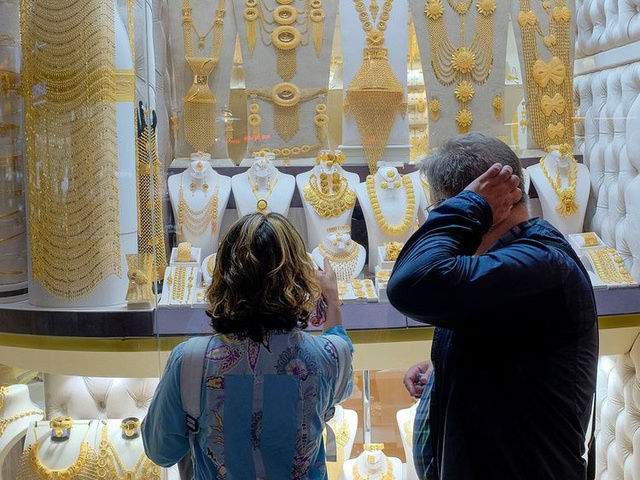
Dubai: India’s move to raise import duties on gold and silver from 6% to 15% is reshaping purchasing trends across the Gulf, with UAE jewellers anticipating increased demand from Indian residents, tourists, and investors. For UAE shoppers, this shift could mean notably lower prices than in India, particularly during the summer travel and wedding season.
According to Shamlal Ahamed, Managing Director of International Operations at Malabar Gold & Diamonds, gold in the GCC could now be around 12% cheaper than in India due to the widened duty differential.
He noted that the impact is even more pronounced as global gold prices remain near record highs, meaning the absolute savings per purchase rise in line with bullion prices. The price difference is especially significant for UAE-based Indians travelling to India during the July–August wedding season. Under India’s revised Union Budget rules effective February 2026, women are allowed to carry up to 40 grams of gold jewellery duty-free, while men can carry up to 20 grams.
Ahamed said a family of four could together carry up to 140 grams of jewellery duty-free when returning to India, creating what he called “massive savings” for residents purchasing in the UAE before travelling home. He added that the UAE market enjoys several advantages beyond pricing.
“For smart NRIs, tourists, and savvy investors, the message is clear: there has never been a better time to buy gold and jewellery in the UAE and across the GCC,” said Shamlal Ahamed, MD of International Operations at Malabar Gold & Diamonds.
Beyond pricing, the UAE market offers several added benefits. VAT exemption on investment-grade gold bars and VAT refunds for tourists purchasing jewellery further enhance overall savings. Ahamed also pointed to lower making charges and stronger regulatory oversight on purity standards compared with many global markets.
He noted that rising import duties in India may reduce access to international jewellery collections for Indian buyers, as imported products become more expensive. On the other hand, GCC retailers import jewellery from more than 20 countries and showcase a vast variety of designs, a development under close observation in the Gulf.
He argued that gold demand in India is shifting from traditional cultural buying toward financial protection against inflation, currency depreciation, and geopolitical uncertainty. According to him, gold purchases in India are increasingly serving as a hedge against inflation, rupee weakness, and global geopolitical risks, rather than purely cultural demand.
For UAE residents, the impact is largely practical rather than macroeconomic. The widening price gap is likely to prompt many Indian expatriates to purchase gold in Dubai and other GCC markets instead of waiting until they reach India, especially for weddings, gifting, and investment ahead of the summer travel season.

