

Amid nationwide safety alerts and remote learning arrangements, the UAE intercepts missiles and drones.
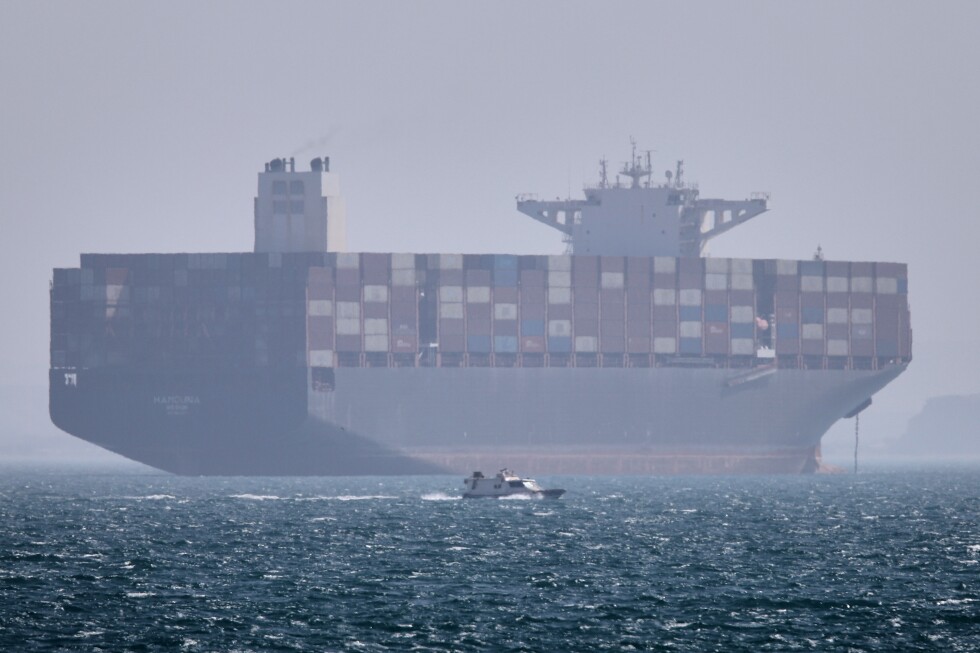
As tensions intensify across the Gulf, rising military activity, travel warnings, and precautionary steps are disrupting daily routines in the UAE.
The UAE Ministry of Defence said on May 4, 2026, that air defence systems intercepted 12 ballistic missiles, three cruise missiles and four UAVs launched from Iran, with three people sustaining moderate injuries.
Since the escalation began, UAE air defences have intercepted 549 ballistic missiles, 29 cruise missiles and 2,260 UAVs connected to continued attacks.
3 injured in Fujairah incident
Three Indian nationals sustained moderate injuries following the previously reported attack on the Fujairah Oil Industries Zone (FOIZ), according to the Fujairah Media Office.
The injured were taken to hospital for treatment, with updates expected on their condition. Authorities urged the public to rely only on official sources and avoid circulating rumours or unverified information.
1) National preparedness statement
- Officials said the UAE remains fully prepared to respond to any further threats while continuing to safeguard national security and stability.
- Authorities added that the country is fully ready to counter any additional threats and maintain national security and stability.
2) UAE condemnation of attacks
- The UAE Ministry of Foreign Affairs strongly condemned renewed strikes on civilian sites, calling them a violation of sovereignty and international law.”
- The UAE Ministry of Foreign Affairs denounced recent attacks on civilian targets, describing them as breaches of sovereignty and international law.
3) Maritime targeting statement
- It also condemned drone attacks on an ADNOC-linked vessel in the Strait of Hormuz, warning of risks to global shipping and energy security.
- The ministry also criticised drone strikes on an ADNOC-affiliated vessel in the Strait of Hormuz, cautioning that they threaten global shipping routes and energy stability.
4) Remote learning decision
- The UAE Ministry of Education and higher education authorities announced a nationwide shift to remote learning from May 5 to 8.
- Education authorities in the UAE confirmed a nationwide transition to online learning between May 5 and May 8.
1) Schools announcement
- Dubai’s KHDA and Sharjah authorities also confirmed a temporary shift to online learning for schools and nurseries.
- Authorities in Dubai and Sharjah, including KHDA, have also approved temporary remote instruction for schools and nurseries.
2) US security alert
- The US Mission in the UAE issued a security alert warning of possible aerial threats and advising citizens to follow local guidance and be prepared to shelter.
- US officials in the UAE warned of potential aerial risks, urging citizens to adhere to local instructions and remain ready to take shelter if needed.
3) Travel advisory
- The United States continues to maintain a Level 3 travel advisory, recommending reconsideration of travel to the UAE.
- The US has kept a Level 3 travel advisory in place, urging travellers to reconsider trips to the UAE.
4) Aviation update (lead-in)
- Airlines across the UAE have adjusted schedules and introduced greater flexibility as tensions persist.
- UAE carriers have revised flight schedules and expanded flexibility measures amid ongoing regional tensions.
UAE airline updates
- Emirates is operating flights to 137 destinations, with rebooking and refund options available for passengers.
- Etihad Airways continues full network operations across around 80 destinations, offering flexible booking changes.
- Air Arabia is running a reduced schedule, with rebooking and credit options available for cancelled flights.
- flydubai is operating a scaled-back schedule, with some rerouting and extended flight times possible.
All carriers reiterated that passenger and crew safety remains the highest priority.
IndiGo advisory
- Indian airline IndiGo has issued a travel advisory warning of possible flight disruptions due to evolving regional tensions, urging passengers to check flight status before travelling.
Strait of Hormuz situation
- Tensions in the Strait of Hormuz continue to escalate amid US–Iran military activity, with reported vessel attacks and increased naval deployments disrupting global shipping routes.
Overall situation update
- Authorities across the UAE and international partners continue to call for de-escalation, as heightened security measures remain in place across airspace, maritime routes, and critical infrastructure.
Key developments: Strait of Hormuz crisis
- Diplomatic calls: The UK and Saudi Arabia have urged restraint following reported strikes in the UAE, calling for an immediate end to escalation and renewed diplomacy.
- Iran’s response: Iranian officials blamed US “adventurism” for the tensions and denied plans to target oil facilities.
- US statements: US Central Command said it destroyed six Iranian boats and intercepted missiles and drones, claims Iran has rejected.
- US President remarks: Donald Trump said there was no significant damage in the Strait of Hormuz, aside from an incident involving a South Korean vessel.
- UAE situation: The UAE confirmed strikes, including in Fujairah, with three Indian nationals injured and reiterated its right to respond.
- Oman incident: Two people were injured after a residential building was hit near the Strait of Hormuz coastline.
- Oil markets: Brent crude prices rose by more than 5% amid supply concerns and shipping disruptions.
- Regional alert: Israel placed forces on high alert while monitoring developments in the Gulf.
- US naval activity: US destroyers were deployed to escort vessels through the Strait of Hormuz.
- Shipping dispute: Iran denied claims that commercial vessels were operating under US escort, calling them “baseless”.

