

Carriers are reviewing routes and risk exposure, while ports prepare for the next wave of cargo.
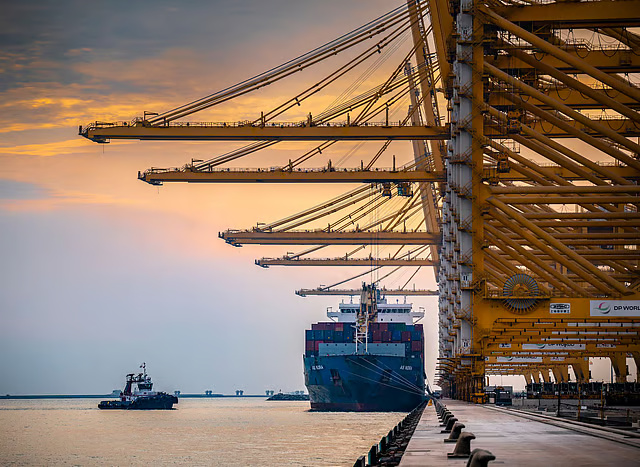
Dubai: Cargo continues to flow into the UAE, but its movement patterns have shifted since the conflict began, with shipping lines slowing or temporarily pausing bookings into the Arabian Gulf as they reassess risk, insurance costs, and access conditions.
At Jebel Ali, operations have remained fully functional throughout, although vessel calls and new bookings have declined.
In an exclusive interview Ahmad Yousef Al Hassan, CEO and Managing Director of DP World GCC, said the immediate post-ceasefire phase has been met with caution across the shipping industry, with carriers waiting for clearer visibility on operating conditions.
“Bookings have slowed, or in some cases largely stopped, among certain shipping lines, and they are not taking bookings within the Arabian Gulf,” he said.Vessels wait as carriers assess next move
Shipping lines are now focused on managing vessels already in the region, with many either stranded or facing delays. Some ships are loaded and waiting to depart, while others may call at Jebel Ali to collect exports or reposition empty containers before leaving.
The decision to resume normal operations hinges on several unresolved questions surrounding access and risk.
“Everybody wants clarity. Everyone’s trying to figure out what this means in terms of Strait access,” Al Hassan said, describing a market that is active in discussion but cautious in execution.
DP World’s commercial teams moved quickly after ceasefire signals, engaging with carriers across global and regional networks to assess how they plan to respond.
Insurance remains a key factor influencing operational decisions. Coverage is available, but at elevated war risk premiums that require frequent reassessment.
“Insurance was always there, it was just expensive,” Al Hassan said.
Shipping lines are now weighing whether premiums will ease and whether perceived risk has shifted enough to justify a return to the Gulf at scale. The duration and cost of coverage, along with evolving risk assessments, will determine how quickly bookings resume.
Trade flows continue through coordination
Despite the slowdown in bookings, trade has not stopped. Cargo continues to move through a mix of existing shipments, rerouted flows, and logistics solutions developed over recent years.
DP World’s role has expanded beyond traditional port operations into broader supply chain coordination, connecting shipping lines with cargo owners, traders, and manufacturers to ensure the continued movement of goods.
“It’s all about trade enablement,” Al Hassan said, emphasizing the importance of keeping supply and demand linked even during periods of disruption.
Businesses within the Jebel Ali Free Zone and across the UAE continue to receive support through tailored routing solutions, enabling imports and exports to move through alternative channels when needed.
Jebel Ali remains the central hub
The port’s position within the UAE’s trade network remains unchanged, even as shipping patterns temporarily shift.
“Eighty percent of all imports in the UAE used to come through Jebel Ali,” Al Hassan said, underscoring the scale of reliance on the port’s ecosystem.
Alternative corridors, including routes via Khorfakkan, are being used to maintain cargo flows, with bonded logistics solutions allowing goods to be discharged at one port and cleared through Jebel Ali. More than 1,000 trucks have been deployed to support these movements, keeping the port at the centre of regional distribution.
The objective remains to preserve the ecosystem built around Jebel Ali, which integrates port operations, free zones, and inland logistics into a single network.
Preparing for a surge in activity
Attention is now turning to the next phase, with expectations that improved clarity in operating conditions could trigger a swift return of vessels and a sharp rise in cargo volumes.
DP World has been preparing for this scenario by maintaining equipment readiness, optimizing yard capacity, and ensuring workforce availability to scale operations rapidly when demand returns.
“We have to be ready for this really big wave that’s coming,” Al Hassan said.
Lessons from previous disruptions, including the pandemic period, are guiding current preparations, with a strong focus on preventing bottlenecks and sustaining throughput as volumes increase.

