

Reliance on coastal desalination plants has made water supplies highly vulnerable, especially amid rising threats from Iran.
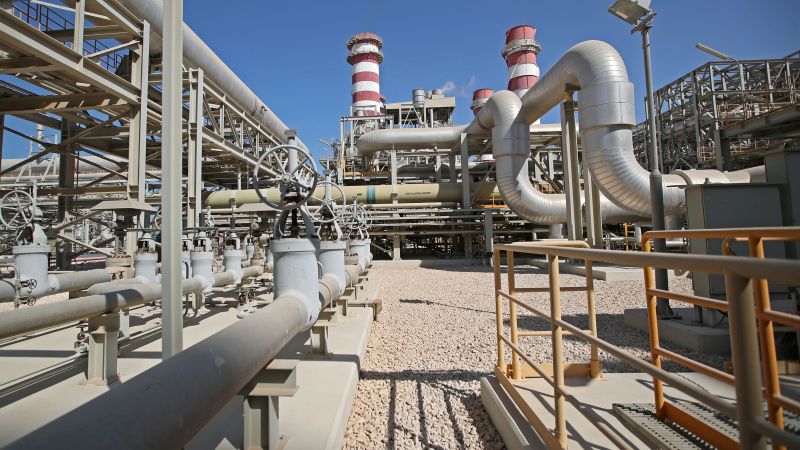
Dubai: Water security has come under renewed scrutiny across Gulf economies after a desalination plant in Bahrain was damaged in a drone strike earlier this month, exposing a critical vulnerability—most countries in the region rely heavily on desalination for their daily water supply.
That reliance is not new, but what is changing is the speed at which any disruption could ripple through the broader economy. A recent Moody’s report argues that dependence on desalination should be viewed differently, calling it “a vital security risk.”
Across the Gulf, desalination is not a backup—it is the primary source of drinking water. As Moody’s notes, GCC countries rely on desalination for most of their potable water.
Coastal concentration creates weak points
The scale of this reliance is substantial. Gulf countries produce a significant share of the world’s desalinated water, with hundreds of plants clustered along their coastlines.
In several countries, desalination supplies most of the water used each day. Kuwait depends on it for around 90% of its drinking water, while Saudi Arabia and Oman also rely heavily on it.
These plants are typically located near coastal cities, power stations, and industrial hubs. While this setup improves efficiency, it also creates a clear vulnerability. Moody’s notes that “much of their water production is concentrated in coastal plants… with limited near-term substitutes at scale.”
Strikes bring water infrastructure into conflict
Recent events have made these risks more visible. The strike in Bahrain has underscored just how exposed this infrastructure has become.
The threat is no longer theoretical. Regional officials and analysts warn that water infrastructure is now being drawn directly into the conflict.
Iran has threatened to target desalination plants across the Gulf, while regional governments warn that any escalation could lead to retaliatory strikes on both water and energy infrastructure.
In some countries, reserves may cover only about a week of supply, meaning any prolonged disruption could quickly impact households, hospitals, and industry.
Disruptions can spread quickly across sectors
The risk extends beyond water supply. These systems are tightly interconnected—desalination depends on electricity to function, while power plants and industrial facilities rely on water to operate.
Moody’s highlights this interdependence, noting that “power is required to sustain water production, while water is essential to utilities, industry and wider economic systems.”
This creates a potential chain reaction. If water supply is disrupted, power generation and industrial activity can slow. Desalination underpins “households… power generation, industrial operations and commercial activity,” according to the report.
Governments would be the first to respond, as maintaining water supply is critical for daily life and public services. Moody’s states that “any threat to potable water continuity would likely require rapid government intervention.”
Such a response can be costly. Emergency supply measures, repairs, and support for affected sectors would add pressure, particularly if disruptions persist. The report warns that the impact “could spread quickly across tightly linked water, power and industrial systems.”

