

Russia: The $75 trillion resource giant shaping the global economy.
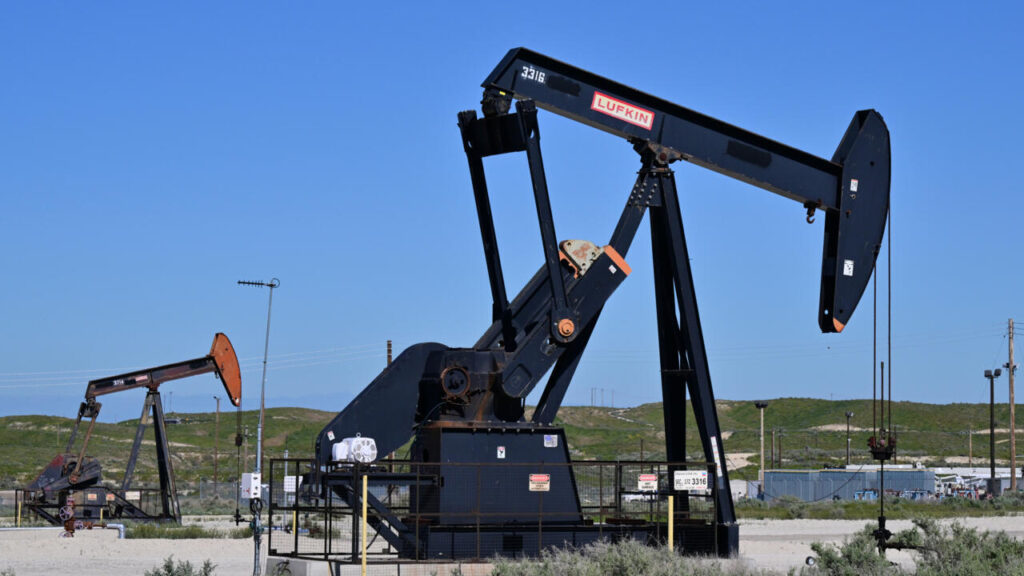
In an era where energy security and mineral dominance influence global alliances, a new dataset highlights the world’s wealthiest nations—not by GDP, but by the immense value of their untapped natural resources.
Drawing on authoritative sources including the World Bank, IMF, and the US Energy Information Administration, 2026 estimates reveal hidden riches beneath the earth, spanning oil, gas, coal, minerals, timber, and more, collectively worth trillions.
Leading the rankings is Russia, boasting an astonishing $75 trillion in reserves, far surpassing even economic giants such as the United States.
This ranking highlights how geography remains a key driver of global power dynamics, even amid technological advances and climate challenges.
The leading nations comprise a mix of oil-rich states, expansive northern wildernesses, and mineral-rich regions, reflecting the diverse sources of natural wealth shaping the world economy.
Top 5 Nations by Natural Resource Wealth
- Russia – Leading the list with its vast Siberian territories, Russia holds the world’s largest natural gas reserves, along with significant deposits of coal, oil, timber, and rare earth metals critical for modern technology.
- United States – Valued at $45 trillion, the US benefits from coal in Appalachia, timber in the Pacific Northwest, shale gas through fracking, and gold deposits in states such as Nevada.
- Saudi Arabia – With $34.4 trillion in resources, Saudi Arabia’s wealth is almost entirely derived from its legendary oil fields on the Arabian Peninsula, supplemented by natural gas and phosphate reserves.
- Canada – Standing at $33.2 trillion, Canada’s resource portfolio includes oil sands in Alberta, uranium in Saskatchewan, and extensive boreal forests providing timber.
- Iran – While not detailed in this excerpt, Iran completes the top five, contributing vast oil and gas reserves to the global resource ranking.
Iran rounds out the top five with an estimated $27.3 trillion in natural resources, largely from Gulf oil and gas reserves.
Further down the list, China, with about $23 trillion in natural resource value, is a global leader in rare earth metals — crucial for electric vehicles, renewable energy technologies, and other high‑tech industries — as well as holding vast coal and timber reserves.
Brazil, valued at approximately $21.8 trillion, stands out for its Amazonian timber, iron ore and gold deposits, though concerns about deforestation and environmental impact accompany its rich resource base.
Australia, valued at around $19.9 trillion, excels in iron, coal and uranium reserves, making it one of the world’s top holders of mineral wealth.
Iraq (about $15.9 trillion) and Venezuela (around $14.3 trillion) also feature prominently on global resource rankings, with both nations heavily dependent on oil — though political instability and infrastructure challenges have constrained extraction and production.
Notably, the Democratic Republic of Congo (DRC) is often highlighted for its extraordinary deposits of cobalt (responsible for a large share of global reserves), copper and diamonds — minerals crucial for batteries and other green technologies — although widely cited figures such as a $24 trillion valuation lack firm sourcing and should be interpreted with caution.
These natural resource figures underscore not just economic potential but also emerging geopolitical flashpoints, as countries with abundant energy and critical mineral reserves play increasingly strategic roles in global diplomacy and technology supply chains.
Russia’s vast natural resource wealth has underpinned its military expenditures and helped it withstand international sanctions, while maintaining its role as a major energy supplier to both Europe and Asia despite ongoing conflicts.
The United States, with a highly diversified resource portfolio, continues to expand domestic production to reduce dependence on imports, a strategy exemplified by recent shale oil and gas booms.
Middle Eastern energy powers like Saudi Arabia and Iran have long used their vast oil reserves as instruments of geopolitical influence, shaping global markets and diplomatic alignments through production decisions and OPEC policy.
As the largest producer within the Organization of the Petroleum Exporting Countries, Saudi Arabia has historically wielded considerable sway over global oil prices by adjusting output levels, making its production decisions a key factor in global economic and political calculations.
Iran, meanwhile, has also leveraged its oil resources to advance strategic interests, with pricing positions and production choices often reflecting broader regional rivalries and economic pressures. Within OPEC, differences between Riyadh’s preference for steadier, abundant supplies and Tehran’s tendencies to support higher price benchmarks have underscored how oil policy can become a proxy for political competition.
Together, these dynamics show how oil continues to be more than a commodity in the Middle East — it is also a diplomatic tool that influences alliances, market expectations, and the broader balance of power.
Meanwhile, Australia’s vast mineral wealth underpins the global shift to renewables, with major reserves of iron ore, coal, lithium and other critical materials that feed the clean‑energy transition. Canberra has even moved to strengthen domestic production and partner with allies to counter China’s dominance in processing and supply chains for critical minerals like rare earths and lithium.
Yet wealth in the ground doesn’t automatically translate to prosperity above it. Countries such as Venezuela, despite massive oil reserves, continue to struggle with economic turmoil and political instability that have hampered sustained development. Likewise, while the Democratic Republic of the Congo (DRC) is a top source of cobalt and other battery metals vital for electric vehicles and renewables, ongoing conflict, poor infrastructure and foreign control of mining operations mean local communities often see little benefit from that boom.
Environmental and social concerns add further complexity. Extracting fossil fuels and hard‑rock minerals contributes to greenhouse gas emissions and habitat loss, and there are growing calls for more sustainable mining practices and stronger governance to ensure ethical supply chains. Corruption risks in critical mineral sectors, particularly in jurisdictions with weak oversight, could also undermine efforts to scale a genuine energy transition.
As the world eyes net‑zero goals by 2050, control over battery metals, rare earths and other resources may reshape the global resource ranking over time — with countries rich in renewables‑related materials like China and Australia potentially increasing their strategic value in the decades ahead.
Saudi Arabia, Canada, Australia lead per capita resource rankings
When measured per capita, the picture of natural wealth changes significantly.
Saudi Arabia leads with nearly $1 million per person, followed by Canada at $822,000 and Australia at $727,000, demonstrating how relatively smaller populations can amplify the strategic value of resource wealth.
Russia falls to fourth place at $521,000 per person, highlighting the contrast between sheer scale of resources and per-capita efficiency. This per-capita perspective has sparked debates over equity, resource management, and potential future conflicts linked to natural wealth distribution.
As demand for AI and electric technologies surges, these resource-rich nations hold a decisive advantage in the global economy.
The question remains: will they drive innovation and the green transition, or will competition over critical resources ignite geopolitical rivalries?
Ultimately, only time — and continued mining, drilling, and strategic resource management — will reveal how these natural wealth giants shape the future.

