

Rupee hits historic low as oil prices surge and global currencies fluctuate.
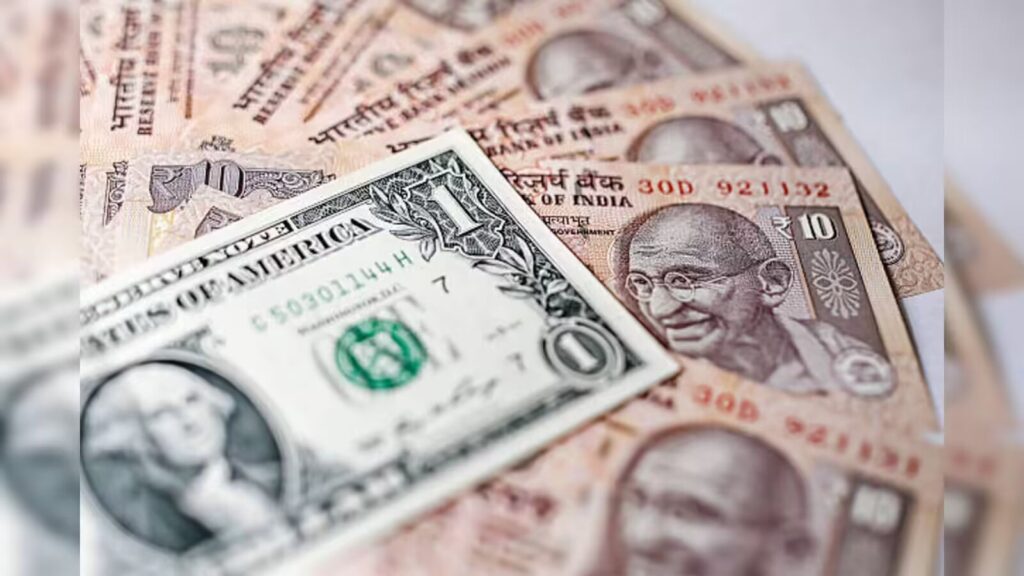
Dubai: Indian expatriates in the UAE are benefiting from higher remittance value as the Indian rupee plummets to a record low against the UAE dirham in early Monday trading.
Currency-tracking platforms like XE and Wise reported the rupee trading near 25.12 against Dh1 around 11:45 am, reflecting its latest decline amid surging global energy markets and rising demand for the US dollar.
The drop comes after a steep fall against the US dollar, with the rupee opening at 92.20 before slipping further to 92.52 in early trading, marking a historic low.
The fall has been largely fueled by soaring global crude oil prices and increased demand for dollars from importers, factors that usually weigh on the currencies of major energy-importing nations.
Oil surge intensifies currency pressure
Rising energy costs have emerged as the primary force behind the rupee’s recent volatility.
Global crude prices jumped nearly 25% on Monday, approaching $116 per barrel, driven by escalating geopolitical tensions in West Asia and fears of potential disruptions to energy supply routes.
Brent crude hit its highest level since July 2022 amid worries that the conflict in the region could affect shipments through the Strait of Hormuz, one of the world’s most vital oil transit corridors.
Kuwait has cut production, while Qatar had previously reduced liquefied natural gas shipments. Analysts warn that further adjustments by other major producers could tighten global supply even more.
India, heavily reliant on energy imports, is particularly exposed to sharp crude price swings, as higher fuel costs quickly feed into inflation and widen the country’s current account deficit.
Import demand boosts dollar strength
Rising oil prices have also driven up demand for US dollars among Indian energy importers. Companies purchasing crude typically need dollars to complete transactions, which pushes up demand for the greenback during periods of rising energy costs. Currency traders note that this demand has surged sharply over the past several sessions.
The rupee and government bonds are likely to stay under pressure throughout the week as the Middle East conflict intensifies and energy prices continue to rise.
Central bank measures curb deeper losses
Despite the sharp decline, the rupee has fared better than many other emerging market currencies.
Recent interventions by the central bank helped stabilize the currency following last week’s steep drop, when the rupee briefly fell past the 92-per-dollar mark before recovering slightly. The Reserve Bank of India has been closely monitoring currency markets and stepped in earlier to support the rupee after its sharp fall.
Analysts at Goldman Sachs noted that the rupee’s relative resilience compared to other emerging market currencies reflects careful and tight management by the central bank.

