

UAE Murban crude leads GCC price surge as traders factor in shipping disruption risks near the Strait of Hormuz.
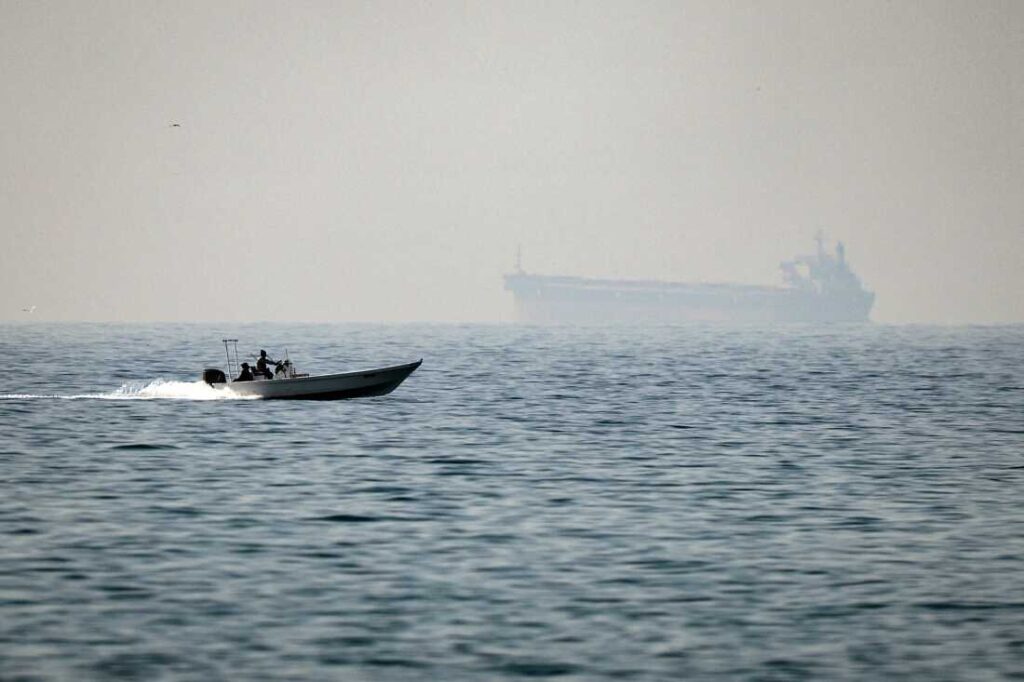
Dubai: Gulf oil prices have jumped significantly, overtaking global and US crude benchmarks amid growing concerns over shipping disruptions in the region as tensions with Iran escalate.
The rise has lifted Murban crude — the UAE’s main export grade — to some of the highest prices in the market. As a key regional benchmark, Murban’s movements are closely watched because they often mirror wider trends in Gulf oil markets.
Gulf oil surge across grades
During trading on March 5–6, several Gulf crude grades climbed sharply as concerns over potential supply disruptions intensified. Murban crude led the rally, reaching a Government Selling Price (GSP) of $112.55 per barrel. Other UAE crude grades also posted strong gains:
- Lower Zakum: $112.55 per barrel
- Umm Shaif: $112.05 per barrel
- Upper Zakum: $108.90 per barrel
The price rally was also reflected across the wider Gulf region. Outside the UAE, several regional crude benchmarks also moved higher:
- Oman crude climbed to $100.31 per barrel for May delivery.
- Kuwait Export Crude surged by $8.57 in a single session, reaching $98.48 per barrel.
Traders say these sharp moves indicate a growing “Hormuz risk premium”, with markets adding extra value to crude produced within the Gulf due to concerns over potential disruptions in the Strait of Hormuz.
Why Gulf oil prices are rising
Much of the recent price increase is tied to concerns about shipping through the Strait of Hormuz. Around 20 million barrels of oil per day move through this narrow waterway — roughly 20% of global oil flows.
When uncertainty surrounds such a critical route, traders typically add a risk premium to crude prices. While Murban crude is trading at the highest levels due to its quality and location, analysts say this “Hormuz risk premium” is now being applied to nearly every barrel of oil produced inside the Gulf and shipped through the strait.
Concerns intensified after comments from Qatar’s Energy Minister Saad al-Kaabi, who warned that Gulf exporters could halt production within days if tankers are unable to pass through the Strait of Hormuz.
The warning triggered strong buying from Asian refiners, particularly in countries such as Japan and South Korea, which rely heavily on Middle Eastern crude supplies.
Signs of pressure in GCC oil
Several indicators suggest the Gulf oil market is tightening. One key signal is the Dubai cash premium — the extra amount refiners pay above the official crude price to secure physical barrels.
On March 5, the premium surged to $19.63 per barrel, the highest level since records began in 2018. Analysts at Energy Aspects say the market is reacting to fears that crude shipments could become trapped inside the Gulf if tensions disrupt tanker movements through the Strait of Hormuz.
Analysts described a situation where physical oil cargoes are effectively “stranded,” prompting buyers to pay significant premiums for barrels that are already outside the region or have guaranteed delivery.
Gulf oil now far above US oil
The recent surge in Gulf crude prices has significantly widened the gap with US oil benchmarks.
While Murban and several other Gulf crude grades have climbed above $100 and even $110 per barrel, West Texas Intermediate (WTI) has remained far lower, trading at around $76–$79 per barrel. This growing price difference highlights how regional geopolitical risks are pushing Gulf oil prices higher than global benchmarks.
The widening gap between Gulf and US oil prices suggests the current surge is being driven more by regional supply risks than by a global shortage of crude.
UAE fuel prices remain stable
Despite the sharp rise in Gulf crude prices, petrol and diesel prices at UAE service stations have not yet reflected the latest surge, as fuel prices in the country are reviewed monthly.
For March 2026, fuel prices were set before the recent oil spike:
- Super 98: Dh2.59 per litre
- Special 95: Dh2.48 per litre
- Diesel: Dh2.72 per litre
The March adjustment raised prices by 14–20 fils compared with February. Motorists have also benefited from two consecutive months of price cuts since December, following an earlier easing of crude prices. Authorities closely monitor global energy markets to balance fuel costs for consumers while ensuring prices reflect international trends.
How UAE fuel prices are set
In the UAE, petrol and diesel prices are reviewed monthly and are based on average global oil prices and the costs of refined fuel from the preceding period.
This approach means that pump prices generally move in line with global energy markets, rising when oil prices increase and easing when they fall.
While movements in Murban crude alone do not directly determine UAE fuel prices, large swings in Gulf oil markets can signal broader pressure building across global energy markets, which may eventually be reflected at the pumps.
UAE’s recent fuel price trends
Fuel prices in the UAE rose steadily through mid-2025, peaking around October before easing toward December. Prices then fell sharply in January, providing relief to motorists at the start of 2026.
Over the past year, UAE drivers have experienced several increases and decreases, reflecting how quickly global oil markets can influence pump prices. If Gulf oil prices remain high through March, the next monthly fuel review could incorporate those higher costs.
Crude prices can fluctuate rapidly, but retail fuel prices usually adjust more gradually, following the monthly pricing cycle. The pricing outlook takes into account current market levels and reported developments.
UAE petrol and diesel prices are set by the UAE Fuel Price Committee, and final pump prices may vary if global oil markets shift before the official monthly announcement.

