

The move comes after an increase in daily parking rates and a sharp rise in seasonal permit sales.
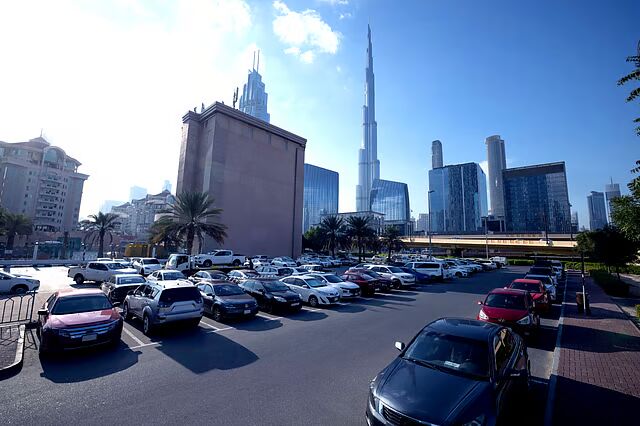
Dubai motorists may face another adjustment to public parking fees, less than a year after variable tariffs reshaped parking costs across the city. Parkin, which manages Dubai’s public parking system, has proposed revising both tariffs and seasonal permit prices, with changes set to take effect in commercial and residential areas if approved.
The move comes after higher daily rates and a sharp surge in seasonal permit sales, as drivers adapted to the new pricing structure introduced in 2025. Parkin says it now aims to reduce the pricing gaps that emerged following those reforms while maintaining long-term options for regular users.
Here are the three main reasons behind the proposal:
- 2025 tariff revamp created pricing gaps
In April 2025, Dubai introduced variable parking tariffs, raising the weighted-average hourly rate by 51% to Dh3.03. Zones B and D saw a significantly larger increase in their weighted-average tariffs compared with Zones A and C.
The increase altered the way motorists pay, making daily parking more expensive while widening the cost gap between hourly use and seasonal permits. Parkin now aims to narrow that gap and adjust the weighted-average tariff to rebalance the system.
This is not a new policy but a follow-up adjustment to the structural changes introduced in 2025.
What is the “weighted-average hourly tariff”?
The weighted-average hourly tariff is the average amount motorists pay per hour across all public parking zones in Dubai. It factors in the number of spaces in each zone, how frequently they are used, and the different rates applied in standard and premium areas, including peak and off-peak pricing.
- More drivers opting for seasonal permits
Following the rise in daily tariffs, frequent users adjusted their behaviour, with many switching to seasonal cards to secure better long-term value rather than paying higher daily rates.
The shift was significant. Seasonal card sales jumped 140% in the fourth quarter of 2025, surpassing 89,000 units. Parkin says this created “price arbitrage,” where the existing pricing structure incentivized heavy users to move away from hourly payments.
The company now proposes adjustments to seasonal card pricing and structure to reduce this imbalance while maintaining long-term discounts for regular users.
- Parking data no longer reflects actual demand
Seasonal permit holders are not included in hourly occupancy figures, even though they regularly use public parking spaces. As more drivers switched to permits following the rise in daily rates, recorded utilisation rates appeared lower on paper, even though real-world demand for parking remained strong.
This creates a technical challenge: when official occupancy data no longer mirrors actual usage patterns, it can impact planning, enforcement strategies, and revenue forecasting.
Meanwhile, Parkin expanded total parking capacity by 11% in 2025, bringing the number of spaces to around 229,000. Enforcement also intensified, with smart inspection vehicles scanning more than 17 million licence plates in a single quarter.
- Parking data no longer reflects actual demand
Seasonal permit holders are not included in hourly occupancy figures, even though they regularly use public parking spaces. As more drivers switched to permits following the rise in daily rates, recorded utilisation rates appeared lower on paper, even though real-world demand for parking remained strong.
This creates a technical challenge: when official occupancy data no longer mirrors actual usage patterns, it can impact planning, enforcement strategies, and revenue forecasting.
Meanwhile, Parkin expanded total parking capacity by 11% in 2025, bringing the number of spaces to around 229,000. Enforcement also intensified, with smart inspection vehicles scanning more than 17 million licence plates in a single quarter.
With increased parking capacity, enhanced enforcement, and changing payment habits, Parkin is reviewing whether tariff adjustments are necessary to better align pricing with actual usage. The proposed revisions aim to reduce pricing gaps, balance costs across different user groups, and ensure utilisation data more accurately reflects real-world demand.
Key takeaway:
If Parkin’s proposals to the RTA are approved, the revisions could change how both daily users and long-term permit holders are charged for parking. For residents who rely on public parking in busy districts, even modest adjustments to the weighted-average tariff could impact monthly commuting costs.

