

Astronomers warned that due to a solar eclipse earlier in the day, the moon will remain very close to the sun even by sunset, and unsafe observation could result in serious eye damage or vision loss.
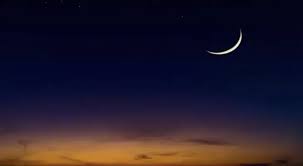
Astronomers in the UAE are cautioning the public about the risks of observing the moon with telescopes or binoculars on February 17, which could cause temporary or permanent eye damage. They explained that the danger arises from the moon’s close proximity to the sun on that day, which coincides with a solar eclipse.
The Abu Dhabi-based International Astronomy Centre told Khaleej Times that directly viewing the Sun through telescopes, binoculars, or other optical instruments without certified solar filters can cause temporary or permanent eye damage, including blindness. They emphasized that pointing optical instruments at celestial objects very close to the Sun carries a serious risk unless strict professional safety standards are followed.
On Tuesday, February 17—when moon-sighting committees worldwide are expected to look for the crescent—the angular separation between the moon and the sun will be just one degree at sunset in Riyadh.
Khadijah Al Hariri, Operations Manager at Dubai Astronomy Group, explained: “Even though the eclipse occurs earlier in the day, by sunset—when people usually search for the crescent—the moon will still be extremely close to the sun.”
Angular separation is measured between the centres of the sun and moon. This means that if a crescent is present, it will be only about half a degree from the sun’s disk. Consequently, pointing a telescope toward the crescent at sunset would likely include the sun in the field of view, exposing both the equipment and the observer’s eyes to serious risk of permanent vision damage, the International Astronomy Centre (IAC) warned.
Astronomically impractical
Apart from the eye safety risks, Khadijah said attempting moon-sighting through optical instruments on February 17 is also astronomically impractical. The IAC added that even waiting for the sun to fully set would be ineffective, as the moon’s lower edge would have already set, leaving no crescent visible.
Recently, Oman became the first GCC country to announce Ramadan start dates in advance, citing the same impracticality and its principle of not relying on reports that contradict observable reality or scientific certainty. Three other countries have also declared February 19 as the first day of Ramadan.
Clarification on advisory
The IAC told Khaleej Times that the safety warning issued on Friday aims to caution the public against unsafe observation practices, such as using telescopes or binoculars without certified solar filters.
Professional astronomical observatories follow internationally recognised safety protocols, using specialised equipment and certified solar filters for such observations. The IAC clarified that their role is limited to raising scientific awareness and that they are not the authority responsible for officially declaring lunar months or crescent sightings.

