

What looks like dirty water going down the drain is more than that.
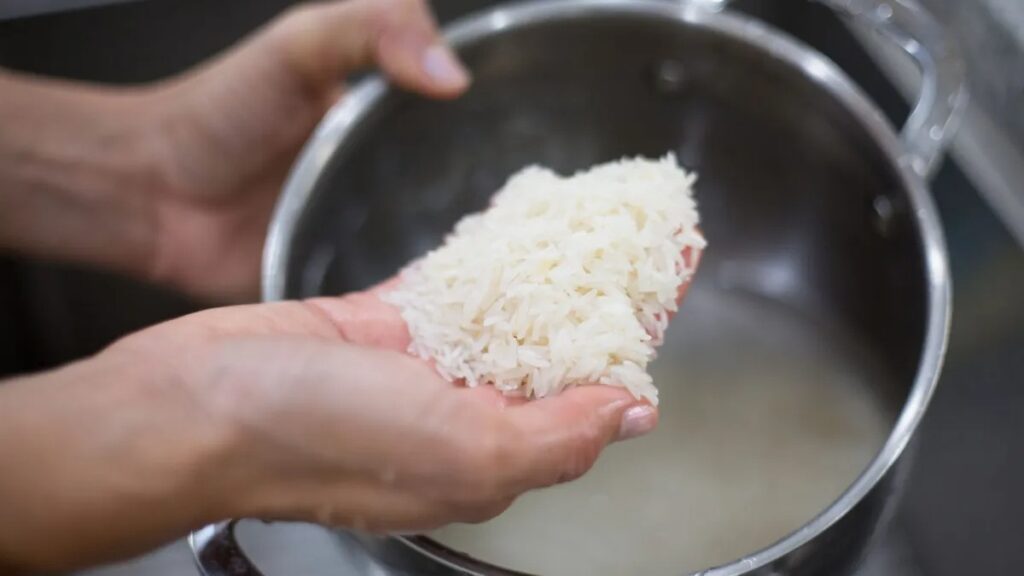
You know the ritual: standing over the kitchen sink, swirling a bowl of rice under running water until the liquid turns crystal clear. It’s one of those kitchen habits that feels almost automatic, passed down through generations and across cultures without much second thought.
But that cloudy water going down the drain isn’t just dirt.
What’s really in that cloudy water?
That opaque, starchy liquid poured off during rinsing is often mistaken for simple dust or surface residue. In reality, it contains more than just visible impurities.
According to reporting highlighted by Live Science, washing rice until the water runs clear doesn’t just remove surface starch—it can also wash away some of the rice’s water-soluble nutrients.
These include trace minerals such as iron, zinc, copper and vanadium—micronutrients the body needs in small but essential amounts. With each rinse, a portion of these water-soluble nutrients can be reduced from the grain.
Before rethinking everyday cooking habits, however, there is an important caveat. Evangeline Mantzioris, writing in comments reported by Live Science, notes that rice contributes only a small share of these nutrients in most diets. In other words, while rinsing can remove some minerals, it is unlikely to make a meaningful difference to overall nutrition for most people.
So if nutrients aren’t the main reason to wash rice, what is?
1. Reducing arsenic exposure
One of the most important reasons relates to concerns about inorganic arsenic, a naturally occurring element that rice plants can absorb from soil and irrigation water during growth.
Food scientist Permal Deo of the University of Adelaide explains that rinsing rice can help reduce the amount of arsenic present on the surface of the grains.
He notes that this step is “less about dust and insects” and more focused on lowering exposure to unwanted chemical contaminants.
While rinsing does not remove arsenic completely, it can help reduce the overall levels that end up in cooked rice, making it a simple precautionary step in everyday cooking.
2. Cutting down microplastics
A more recent concern entering the kitchen is microplastic contamination. A 2021 study published in the Journal of Hazardous Materials found that rinsing rice before cooking can reduce microplastic particles by roughly 20% to 40%.
While researchers are still examining the long-term health implications, early evidence suggests microplastics are now widespread across food systems and may not be as harmless as once assumed. In this context, rinsing rice is seen less as a traditional habit and more as a simple precautionary step to reduce potential exposure.
Is washing rice still necessary?
Not all experts agree that rinsing rice is essential in modern cooking.
Food scientist Bo Wang told Live Science that most supermarket rice already undergoes extensive industrial processing before it reaches consumers. This typically includes cleaning, drying, dehusking, milling, grading and packaging under controlled conditions.
Due to this processing, Wang argues that commercially sold rice is already relatively clean and safe, meaning rinsing is not strictly necessary from a food safety standpoint.
The balanced takeaway
Taken together, the evidence suggests that rinsing rice is less a debate between tradition and modern practice, and more a question of degree.
Rinsing can help reduce surface contaminants such as arsenic and microplastics, with little to no meaningful nutritional impact for most people. However, repeatedly washing rice until the water runs completely clear is generally unnecessary. At the same time, there is no harm in rinsing it to a preferred level of cleanliness.
Most food scientists and nutrition experts consider a light rinse—once or twice—to be sufficient. It offers a practical middle ground, balancing minor safety benefits with the need to avoid over-processing the grain.

