

From AI-driven hiring practices to updated banking regulations, here are the key changes in the United Arab Emirates that residents should be aware of and prepare for.

In Dubai, May is shaping up to be an important month with several updates affecting residents and businesses. These include seasonal closures, new banking regulations, and an upcoming long weekend.
1. Global Village extends its season until May 31
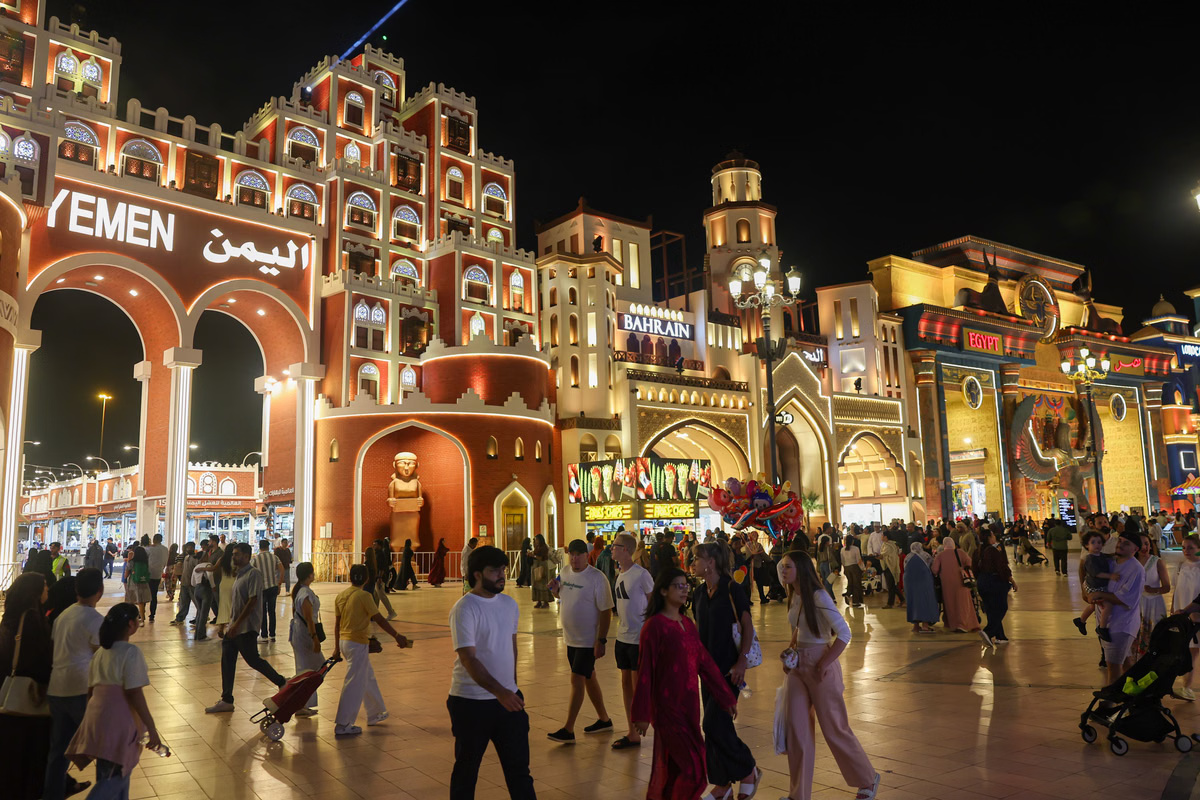
Global Village Dubai has extended its season until May 31, giving residents more time to visit before it closes for the summer. Since reopening on April 20, the destination has been offering shopping, around 250 dining options, and live entertainment performances.
Visitors can access unlimited rides for AED 99 with the Carnaval pass, or opt for a Family Offer that includes four entry tickets for AED 30, with additional tickets priced at AED 7.5 each.
Global Village Dubai operates from 5pm to 1am on Fridays and Saturdays, and from 5pm to midnight from Sunday to Thursday.
2. Dubai Miracle Garden closes for summer after Season 14
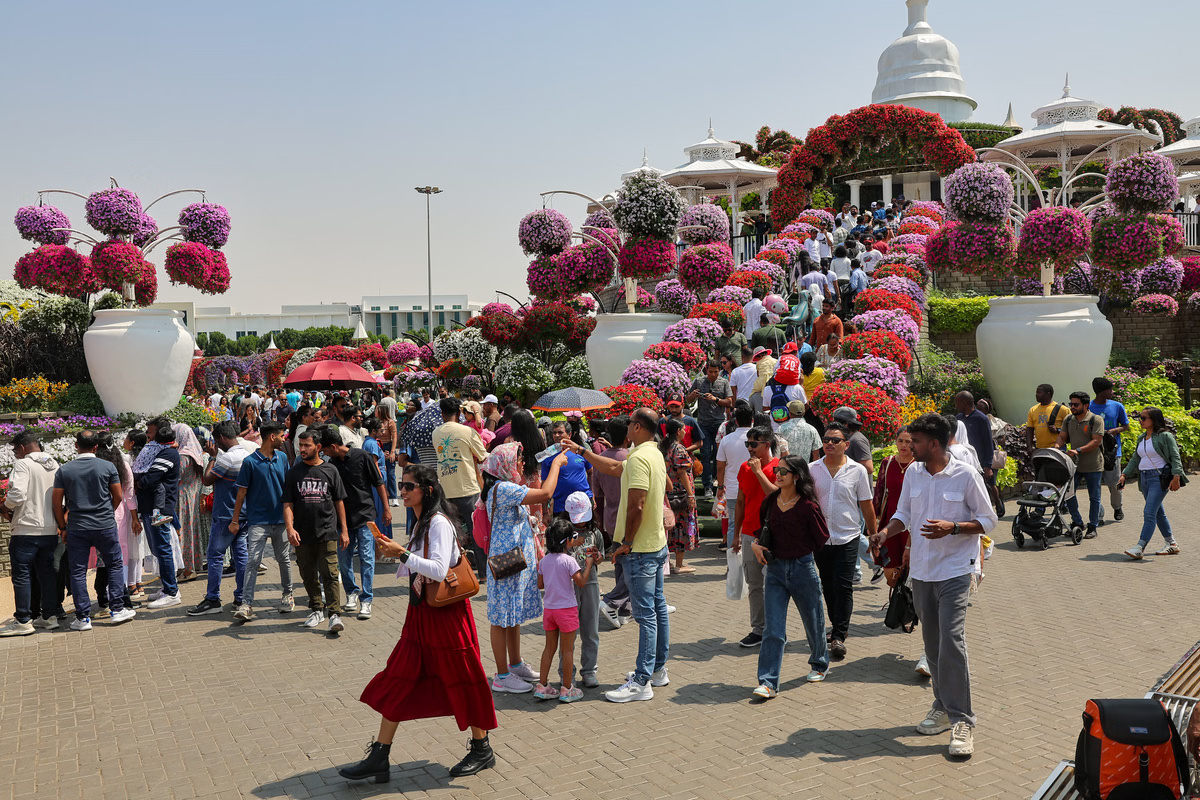
Dubai Miracle Garden is concluding its Season 14 and will close for the summer after running special offers throughout May.
Families in the United Arab Emirates can enjoy free weekday entry (Monday to Friday) from May 1 to May 31 via Gate 3 only, between 9am and 6pm. Additionally, UAE residents can access discounted entry priced at AED 30 (VAT inclusive) with a valid Emirates ID, while children aged 12 and under continue to enter for free.
Dubai Miracle Garden is offering these promotions as it wraps up its Season 14 before closing for the summer.
3. AI system to screen work permit applicants

From May, the United Arab Emirates will roll out an artificial intelligence and robotics-based system to evaluate work permit applicants.
The initiative, led by the Federal Authority for Identity, Citizenship, Customs & Port Security in coordination with the Ministry of Human Resources and Emiratisation, is designed to enhance labour market efficiency and attract highly skilled professionals.
Applicants will be assessed using data-driven criteria such as qualifications, experience, skills, and knowledge. The system is intended to improve alignment between workers and labour market needs while enhancing overall workforce quality in the United Arab Emirates.
4. New unit to monitor e-scooters and bikes in Dubai
In Dubai, the Roads and Transport Authority (RTA) and Dubai Police have launched a Personal Mobility Monitoring Unit from May 1 to regulate bicycles and electric scooters across the emirate.
The unit will patrol cycling tracks, major roads, and designated soft mobility zones, with the aim of improving road safety. It will focus on violations such as riding outside approved tracks, speeding, not wearing helmets, reckless behaviour, and carrying passengers on scooters. Offenders may face fines, and non-compliant vehicles can be impounded.
5. New rules to protect travellers at DXB
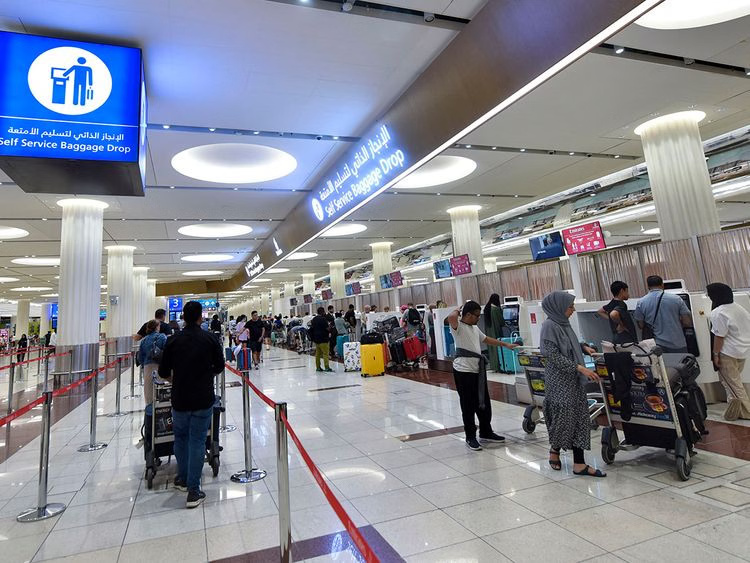
Passengers travelling through Dubai International Airport will benefit from clearer passenger rights and a new complaints mechanism following a directive issued by the Dubai Civil Aviation Authority.
The Aviation Consumer Welfare Directive defines the responsibilities of airlines, travel agents, and passengers, while also introducing a formal dispute resolution system.
Travellers can now submit complaints directly to the authority, track their cases online, and provide feedback on services, with the aim of making the process more transparent and accessible.
6. Banks to stop contacting customers via WhatsApp

From May, all licensed financial institutions in the United Arab Emirates—including banks, insurers, exchange houses, and finance companies—are no longer allowed to contact customers through instant messaging platforms such as WhatsApp.
The Central Bank of the UAE issued a circular introducing the change, citing customer protection and data security concerns. The measure is intended to strengthen consumer safeguards and reinforce trust in the UAE’s financial sector. Institutions were required to confirm compliance by April 30.
7. Doha and Kuwait flights resume: UAE airlines return to Hamad International

Travellers in the United Arab Emirates now have expanded flight options to Qatar as services to and from Hamad International Airport gradually resume.
Airlines including flydubai and Air Arabia have already restarted operations to Doha, using a dedicated air corridor established by the Qatar Civil Aviation Authority.
Emirates has resumed flights to Kuwait starting May 1, following the reopening of Kuwaiti airspace. The airline initially operates two daily flights between Dubai and Kuwait International Airport, departing at 7:50am (EK855) and 2:55pm (EK857).
Services will increase to four daily flights from May 16, using Airbus A350 and Boeing 777 aircraft, before expanding to five daily flights from May 21. The phased ramp-up reflects improving regional conditions.
8. Eid Al Adha: A six-day break in sight
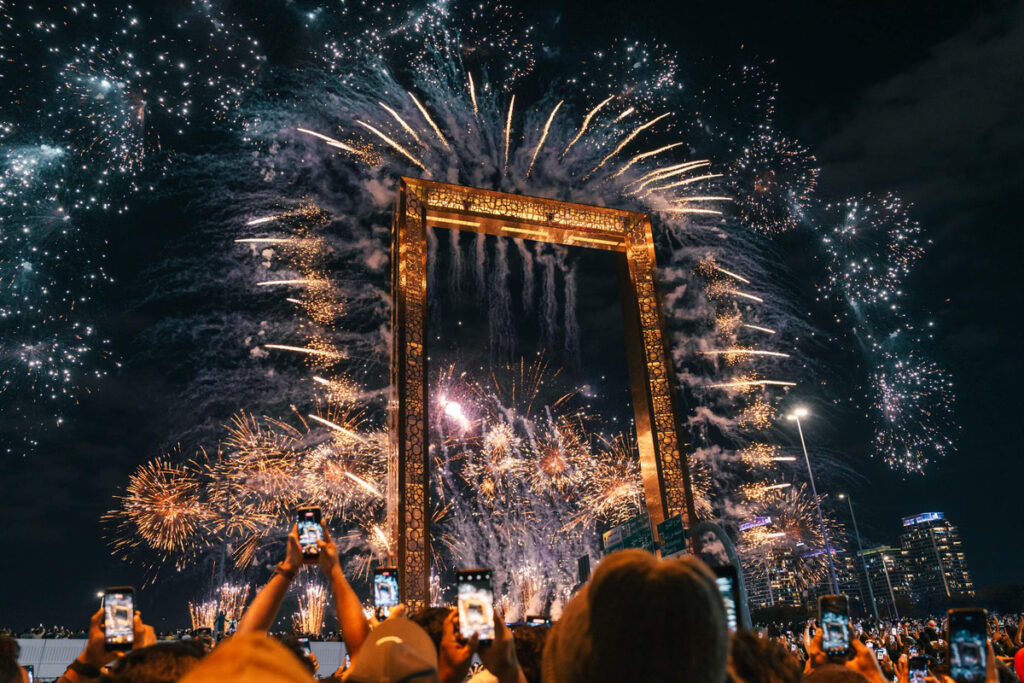
Residents in the United Arab Emirates can look forward to a major public holiday later in May, with Eid Al Adha expected to begin on Wednesday, May 27, according to astronomical projections from the Emirates Astronomical Society.
The holiday, one of the most significant in the Islamic calendar, is anticipated to bring a potential six-day break for residents across the country.
The day before, Tuesday, May 26, marks the Day of Arafah, the holiest day of the Hajj pilgrimage. As with all Islamic holidays, the official dates will be confirmed based on moon sighting.
In the United Arab Emirates, the Cabinet has approved three official public holiday days from Wednesday, May 27 to Friday, May 29. When combined with the weekend, residents are expected to enjoy a continuous six-day break—making it the longest holiday period of the year so far.

