

Strait of Hormuz blockade: Key updates on flights, shipping and surging oil prices.
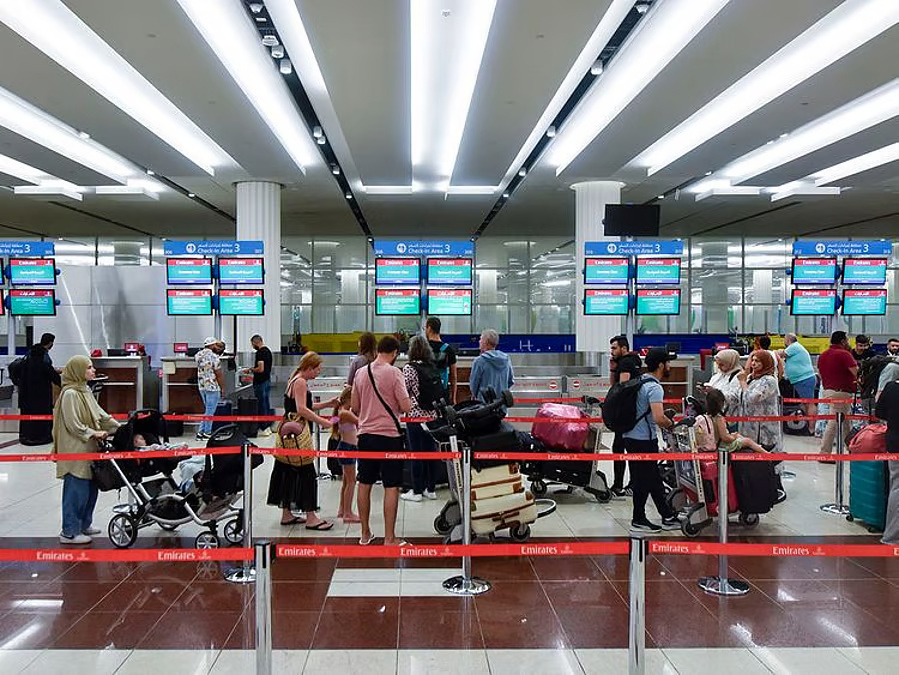
As the US-Iran standoff continues, UAE residents are facing ongoing impacts on regional security, air travel and market stability.
The Strait of Hormuz remains a high-risk area, with Iran saying it is “closed” while the US maintains that it is “open”, amid continued negotiations and competing declarations. Local authorities and major regional airlines are adjusting operations as the situation develops.
Most flights continue to operate, but schedules can change at short notice because of airspace restrictions, route changes or security assessments. Several major international carriers have also extended suspensions of services to the UAE and other destinations across the Middle East.
Here is what UAE residents need to know today, August 12, 2026.
Key updates
- Regional security remains a major concern: The US-Iran confrontation continues to dominate developments, with the status of the Strait of Hormuz remaining a key point of tension as Washington and Tehran remain divided over reopening the waterway.
- Strait of Hormuz remains at the centre of the standoff: Iran continues to describe the strait as “closed”, while diplomatic efforts are ongoing to resolve the dispute. Any prolonged disruption could affect global energy supplies, shipping costs, fuel prices and inflation.
- Trump claims US control of Hormuz: US President Donald Trump said the United States has “total” control of the strait, while Iran continues to set conditions for reopening the vital waterway.
- Iran sets conditions for reopening: Iranian official Mohsen Rezaei has outlined conditions that Tehran says must be met before it will consider reopening the Strait.
- UAE aviation continues, but disruptions remain possible: Most flights are operating, although airlines continue to adjust schedules in response to regional security and airspace developments. Passengers should check directly with their airline before travelling to the airport.
- Some regional routes remain affected: UAE carriers, including Emirates and Etihad, have issued updates on cancellations and schedule changes linked to regional airspace and security disruptions. Routes to destinations including Bahrain and Kuwait remain affected, while some regional airlines have resumed services.
- Oil prices remain elevated: Global crude prices are approaching $90 a barrel as concerns grow that the disruption around the Strait of Hormuz could persist.
- Red Sea security remains a concern: Rising regional tensions are also affecting commercial shipping, following a Houthi attack on a vessel in the Red Sea that reportedly killed at least six people.
- Diplomatic activity continues: International diplomatic manoeuvring remains ongoing as the US-Iran standoff develops.
- Follow official instructions during emergencies: If an emergency alert is issued, residents should follow UAE authorities immediately. Avoid travelling towards incidents to film them and do not photograph military, security or other sensitive sites.
Economic risks
The biggest economic concerns remain energy and transport costs. A prolonged disruption around the Strait of Hormuz could push up crude oil prices, refined fuel costs, marine insurance and freight rates, potentially increasing costs across the region.
For most UAE residents, everyday life remains largely normal. The most immediate areas of concern are air travel, regional travel and energy-related costs, rather than routine movement within the UAE.
The key developments to watch today are flight schedules and the situation around the Strait of Hormuz. Check with your airline before travelling and rely on official UAE announcements for safety instructions.
Do not rely on social media for security updates
Residents should rely on official UAE government and emergency channels for information and avoid sharing unverified reports about missile launches, explosions, military movements or alleged damage.

