

New UK rules target retailers, online platforms and vending machines selling energy drinks to children.
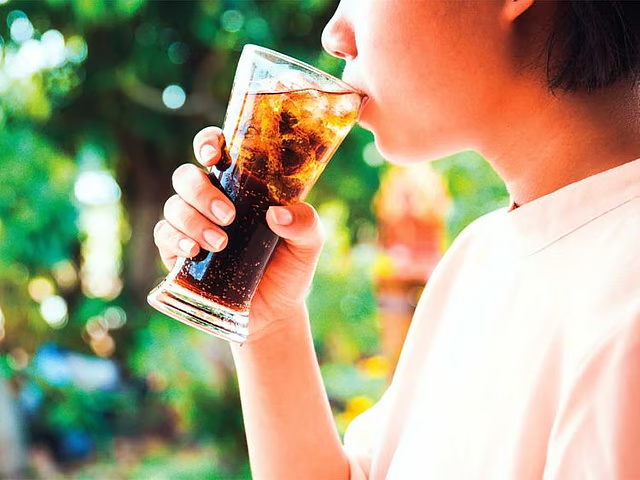
The UK government has unveiled plans to ban the sale of high-caffeine energy drinks to children under 16 in England, stating that the measure aims to safeguard young people’s health and wellbeing.
The proposed ban, which still requires parliamentary approval, will apply to energy drinks containing more than 150 milligrams of caffeine per litre and will cover purchases from shops, vending machines and online retailers.
Key highlights
- High-caffeine energy drink sales to under-16s in England will be banned from April next year.
- The restriction will apply to drinks containing more than 150mg of caffeine per litre.
- Government figures suggest that around 100,000 children in England consume high-caffeine energy drinks every day.
- Businesses violating the rules could face fines of up to £2,500.
- The ban will apply across shops, online retailers and vending machines.
- The move comes amid concerns over links between energy drink consumption and sleep disruption, anxiety and reduced concentration among children.
Why is the UK government introducing the ban?
Public Health Minister Sharon Hodgson said the measure reflects the government’s commitment to building “the healthiest generation of children ever” by addressing potential health risks associated with high-caffeine energy drinks among young people.
Ministers said studies have associated high-caffeine energy drink consumption among children with several health concerns, including sleep disruption, anxiety, headaches and problems with concentration.
Experts have warned that children and teenagers may be more vulnerable to caffeine’s effects because of their smaller body size and the fact that their brains are still developing.
Health officials noted that some energy drinks contain more caffeine than two cups of coffee or multiple cans of cola, increasing concerns about their impact on young consumers.
What drinks will be covered?
The proposed ban will apply to non-tea and non-coffee beverages containing more than 150mg of caffeine per litre.
Under current rules, these products must display a warning label stating: “High caffeine content. Not recommended for children or pregnant or breast-feeding women.”
The government said that some energy drinks also contain high levels of sugar, which can increase the risk of obesity and dental health problems among young people.
How will the rules be enforced?
The restriction will be introduced through secondary legislation under the Food Safety Act 1990.
Local authorities will be responsible for enforcing the ban, and businesses found selling restricted energy drinks to under-16s could face penalties.
Proposed fines include:
Businesses and individuals found breaching the rules could face fines of:
- Up to £1,500 for individuals and small businesses
- Up to £2,500 for larger businesses
Industry response
The British Soft Drinks Association criticised the proposed ban, describing it as “unnecessary”.
The industry body said its members had already pledged since 2010 not to market or promote energy drinks to under-16s, while noting that high-caffeine products already carry warning labels.
However, health campaigners welcomed the government’s move.
Katharine Jenner, executive director of the Obesity Health Alliance, said restricting energy drink sales during childhood was a “common-sense” measure that would help protect young people’s health.

