

Travel insurance essentials for UAE passengers: Coverage, exclusions, and medical support.
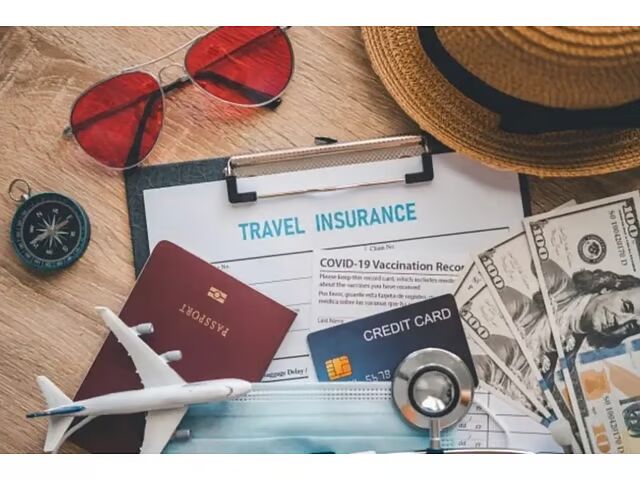
Dubai: Amid airspace disruptions and rising geopolitical tensions across West Asia, travel insurance has once again become a critical consideration for UAE travellers.
While many purchase travel insurance as a routine formality before flying, experts emphasize that knowing precisely what is covered — and what is excluded — is now more important than ever.
Insurance specialists advise travellers to carefully review their policies before departure, especially when journeying through or to regions affected by conflict.
War-related disruptions often excluded
A key point for travellers is that most standard travel insurance policies exclude coverage for losses directly caused by war or armed conflict.
“Travel insurance is intended to protect travellers against unexpected events such as medical emergencies, trip cancellations due to illness, or lost baggage,” said Roger Zaccar, CEO of Yallacompare.
He noted, however, that war, military activity, and airspace closures are typically excluded from coverage.
This means that if a flight is cancelled or delayed due to conflict or government-imposed airspace restrictions, insurance companies may not compensate travellers. In these cases, passengers generally need to rely on airlines or tour operators for rebooking, refunds, or accommodation.
Premiums for travel
Anecdotal reports from travel insurance providers indicate that insurance premiums have risen in recent weeks.
Demand for travel insurance has also soared amid regional tensions, with searches and purchases on comparison platforms roughly doubling as travellers seek greater protection before flying, according to Toshita Chauhan, Chief Business Officer – General Insurance at Policybazaar.ae.
“This increase is driven less by more travel and more by travellers becoming cautious,” she said.
Toshita added, “When regional travel conditions are uncertain, people prioritise financial protection and access to assistance abroad. Travel insurance provides reassurance that if plans are disrupted or medical emergencies occur overseas, structured support is available.”
Cancelling a trip due to safety fears
A frequent misconception among travellers is that insurance will automatically cover trip cancellations prompted by safety concerns.
Experts caution that simply feeling unsafe when travelling to a conflict-affected region does not automatically trigger an insurance claim.
Most policies only cover cancellations for specific reasons, such as illness, injury, or a family emergency.
Some insurers provide an optional “cancel for any reason” add-on, which can allow travellers to recover part of their trip costs, though it generally must be purchased shortly after booking.
Timing of the booking matters
When travellers purchase a policy can significantly affect coverage.
Insurance is generally intended to cover unforeseen events. If a policy was purchased before a conflict escalated or before travel advisories were issued, certain protections—such as medical coverage or trip interruption—may still apply.
However, if a trip is booked after the situation is widely known, insurers may deem the event “foreseeable,” which can limit or exclude coverage.
What happens if you get stranded abroad?
Airspace disruptions and flight cancellations can sometimes leave travellers stranded overseas.
Insurance experts note that some policies may cover additional costs such as hotel stays, meals, or rebooking fees, depending on the reason for the disruption.
However, if the delay is directly caused by war or government-imposed airspace closures, these expenses are usually excluded from coverage.
Instead, insurers may offer support through emergency assistance services, helping travellers coordinate rebooking, find accommodations, or access medical help while stranded abroad.
Medical cover remains the most important
Despite exclusions for conflict-related disruptions, experts say medical coverage is still one of the most valuable aspects of travel insurance.
“In most cases, travel insurance continues to cover medical emergencies and hospitalisation abroad,” said Toshita.
This coverage generally applies even in countries experiencing conflict, provided the medical issue is not directly caused by war or civil unrest.
Policies may also include emergency evacuation and repatriation benefits, which are crucial if travellers need treatment in another country.
Key things UAE travellers should check
Hitesh Motwani, Deputy CEO of InsuranceMarket.ae, advises travellers to carefully review several critical areas in their policy before travelling:
- War and geopolitical policy exclusions
- Medical coverage limits for international treatment
- Access to 24/7 emergency assistance services
- Trip delay or disruption benefits
- Policy validity dates and coverage period
Motwani emphasized that comprehensive medical coverage and global emergency support remain the most crucial protections for travellers abroad.
Experts also note that travel insurance can be purchased quickly online before departure, but the key takeaway is clear: don’t just buy travel insurance — understand what it actually covers.

